

THE PHOTOGRAPHER
He Bought His First Camera Out of Boredom. Forty-Seven Years Later He Still Refuses to Call It Documentary.
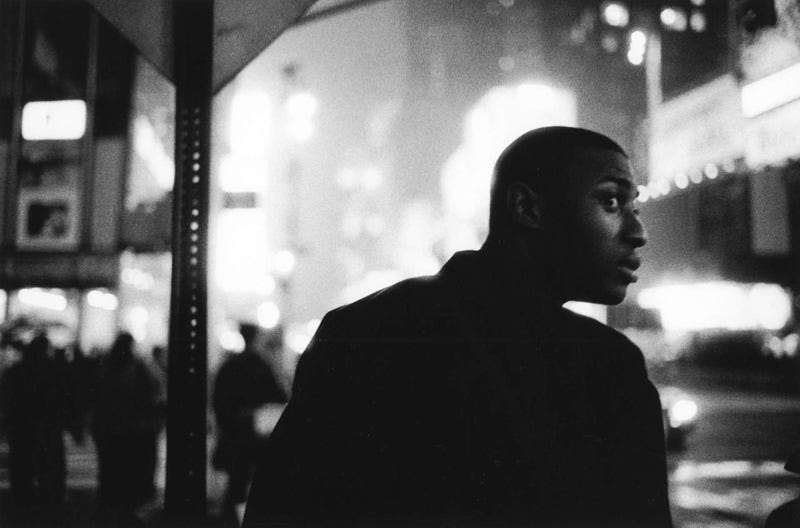
The impulse arrived in a midtown Manhattan hotel room in September 1979, and it arrived as an escape. The Police were breaking in America, and Andy Summers, at thirty-six the oldest man in the band by a decade, was bored. “We were surrounded by photographers,” he wrote in a statement Leica published in January 2024, “girls from Manhattan who encircled us with big black cameras, oversized lens and exploding flashguns … I was seduced by their sexy camera handling and the stark monotone imagery they made.” He asked one of them where to buy a camera. She took him to B&H Photo. He came out with a Nikon FE. “Beautiful, beautiful,” he told PetaPixel in November 2023, still. He had decided, as he put it in that interview, “I am going to get a very good camera and become a photographer. I’m gonna study it.”
What earns Summers forty-seven years of attention is what he immediately declined to do with the camera. Every incentive pointed one way: he was inside the most photographed rooms in popular music, and the obvious book was the tour diary. He wrote the opposite ambition down instead and has never revised it. “I found that I was not really interested in the idea of the photograph as documentary evidence,” he wrote in that same statement, “but rather as an act of the imagination making the real — unreal.”
The place he went to do it was the corridor. Summers’ early work is set in the architecture nobody photographs — hotel passages, stairwells, the pastel dead space between a room and an elevator, almost always after midnight. He has been unusually precise about why. “Chasing surrealism led me to make many crazy pictures in American hotel corridors and bedrooms very late at night,” he wrote. “Maybe I would be on stage playing a song like Roxanne and at the same time pre-visualizing a surrealist tableau in the corridor outside my hotel room.” The stage energy, by his account, had to go somewhere: “That energy dis-assembling into a weird camera shot in a pastel-colored corridor at 2 am.” He read his way into Surrealism, and names Man Ray and de Chirico as the entrance.
The books bear it out. Throb (William Morrow, 1983) arrived while the band was still a going concern and is not a band book. Desirer Walks the Streets followed from Nazraeli Press in 2009, The Bones of Chuang Tzu from Steidl, and in 2019 the retrospective A Certain Strangeness appeared simultaneously from the University of Texas Press and, in France, from Éditions Hazan with an essay by Gilles Mora. The tour archive, I’ll Be Watching You: Inside The Police 1980–83, did not reach print until Taschen published it in 2007, twenty-four years after he bought the camera and long after the art work had settled what he wanted one for.
The institutions caught up in 2019, which was a crowded year. Mora gave him the Pavillon Populaire in Montpellier in February; the Bonnefantenmuseum in Maastricht followed in June; the Ernst Leitz Museum in Wetzlar showed the work in 2022. A Series of Glances, a 324-page selection spanning 1982 to 2019, came from teNeues in 2023 and toured Leica’s galleries in London, Munich, Amsterdam, Tokyo and Kyoto. By then he had grown impatient with the label reviewers reached for. “I don’t like street photography,” he told PetaPixel. “I’m not looking for like the essence of street. I’m just not interested. … No, I’m an art photographer. That’s what I’m interested in. I don’t really see doing documentary.”
The technique is the least romantic part of the story. Thousands of rolls of Kodak Tri-X, pushed to 800 or 1600, and Ilford Delta 3200 when the corridor was truly dark, fast enough to shoot by an exit sign, which is roughly what he was doing, since he has never used flash and dislikes it. Ralph Gibson, whom he met in New York and describes as both a close friend and “very musical,” pointed him toward the Leica M4-2 that became his film camera; he went digital in 2012 and now shoots an M10 and an M10 Monochrom. He built a darkroom while living as a tax exile in Ireland during the Police years and then abandoned it. And he insists the two disciplines are one problem. “All great art should be musical in quality,” he told Ultimate Classic Rock in August 2023. “A lot of the terms of music translate across into light, line, shape, form, what you don’t put in … You’re trying to give a photograph a quality that’s musical, like a great chord you might find on guitar.”
Which brings him, at eighty-three, into a cinema. Summers is one of the featured figures in Reiner Holzemer’s Leica — A Century of Vision, a history of what the 35mm format did to photography; Gibson appears in it too, and Summers contributed some of the music. The film has its world premiere at the Newport Beach Film Festival on October 17, with Summers attending, and reaches German cinemas from November 12. Meanwhile the practice has quietly resolved into a single form: The Cracked Lens + A Missing String, the solo show he has toured through the United States, Australia and Japan, in which he projects sequences of his photographs, plays guitar against them, and reads from the books. Leica
WHY IT MATTERS
Musicians who photograph are usually filed as amateurs with access, and the filing is usually fair. Summers is the case that breaks the category, because he spent his access on the one subject it could not help him with. He had the best seat in popular music for the documentary book and used the camera to leave the room instead, to stand in an empty corridor at two in the morning and build something that had not happened. Forty-seven years of that adds up to an argument, made in Tri-X, that a photograph’s job is invention rather than testimony, and it is being made by the person in the band with the least reason to need one.
A NOTE FROM THE PUBLISHER
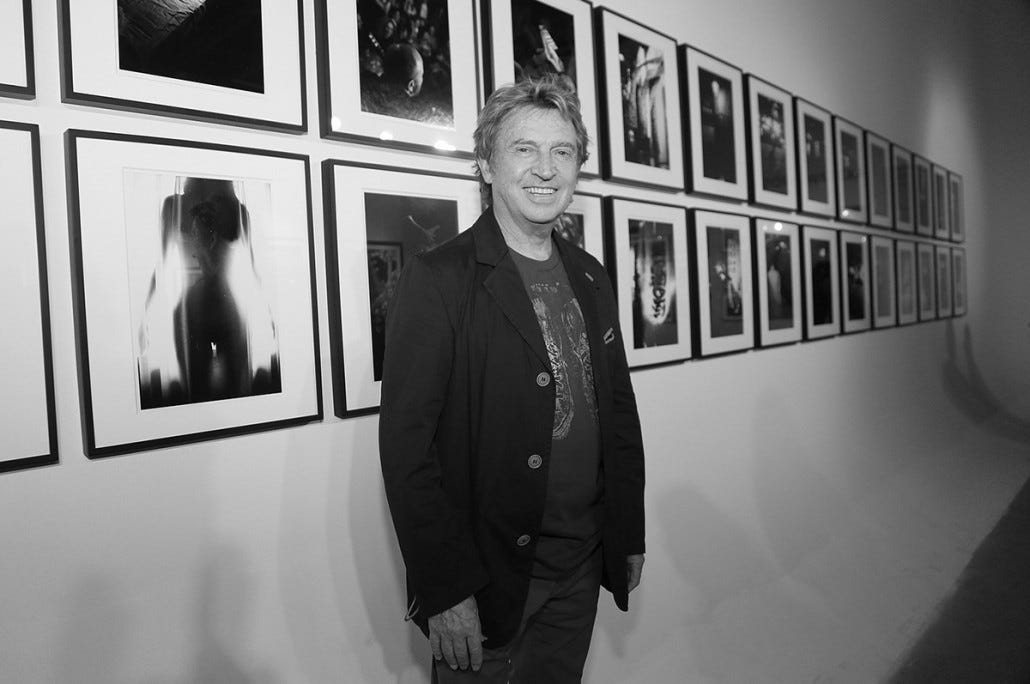
I had the pleasure of working with Andy Summers in the spring of 2014, when I presented the first edition of Photo Independent — a photo fair dedicated to independent photographers — at Raleigh Studios in Los Angeles. Andy was our featured exhibition: about forty photographs, most of them corridors, shot at night.
They were noir, and they earned the word. The work came out of twenty-five years of touring, 1983 to 2008, and it goes where the tours went: the Alto Plano in Bolivia at one end, the alleys of Golden Gai in Tokyo at the other. Black and white, almost all of it after dark, and the pictures tend to open in the middle of something you never get the rest of. Summers describes it in musical terms: a minor key, a dark chord with a few stray notes left in. Photography and music are both nonverbal, he says, so the vocabulary crosses over.
Andy was a gentleman throughout the fair — a great artist and a gentleman he is.
— Chris Davies
EXHIBITION HIGHLIGHTS
Bill Henson
Roslyn Oxley9 Gallery | Sydney
September 25 – October 17, 2026
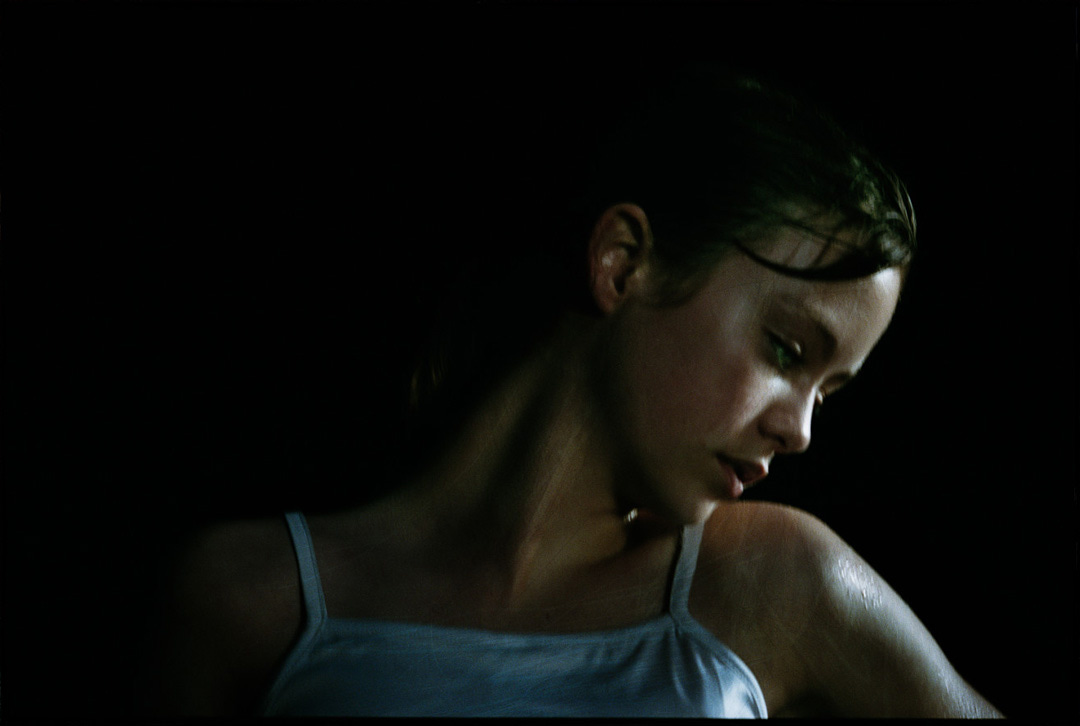
New photographs, shown as large archival pigment prints. Henson has spent five decades on a narrow band of subject matter: adolescence, dusk, the European landscape treated as a kind of weather system. It is printed so dark that galleries routinely warn visitors about the lighting levels in the room. The work sat at the center of Australia’s fiercest argument about photography and the body, and the pictures themselves have never much altered their temperature: figures emerging from and dissolving back into an underexposed ground, lit as though by a fire just outside the frame. Roslyn Oxley9 has represented him since the 1980s.
Martin Parr: The Last Resort
Rocket Gallery | London
September 25 – October 31, 2026
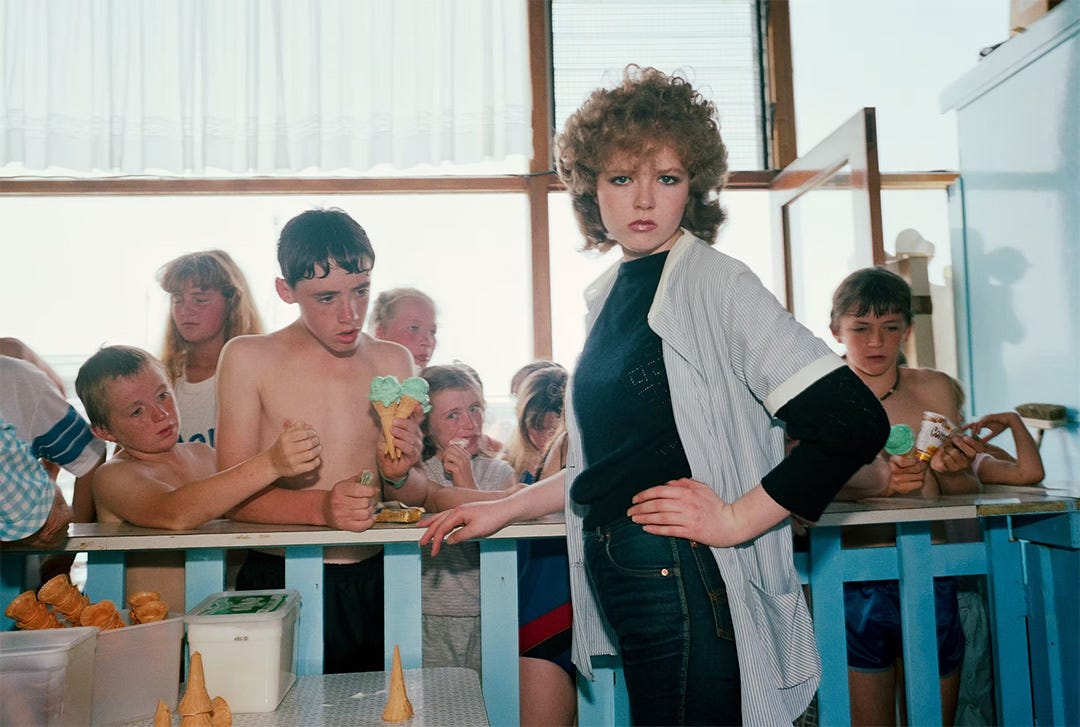
Rocket’s fifteenth Parr solo returns to the series that made him notorious: the flash-lit, saturated pictures of working-class holidaymakers at New Brighton, made between 1983 and 1985 and published in 1986 to accusations of cruelty that took decades to subside. Lost in the argument was how radical the work was technically: Parr had abandoned black and white for ring-flash color at the moment British documentary photography considered color frivolous. The prints hang alongside Dewi Lewis’s fortieth-anniversary edition of the book, so the pictures can be seen at the two sizes they were made for.
Rodney Smith: Die Alchemie des Lichts
Kunsthalle Vogelmann | Heilbronn
September 26, 2026 – January 24, 2027
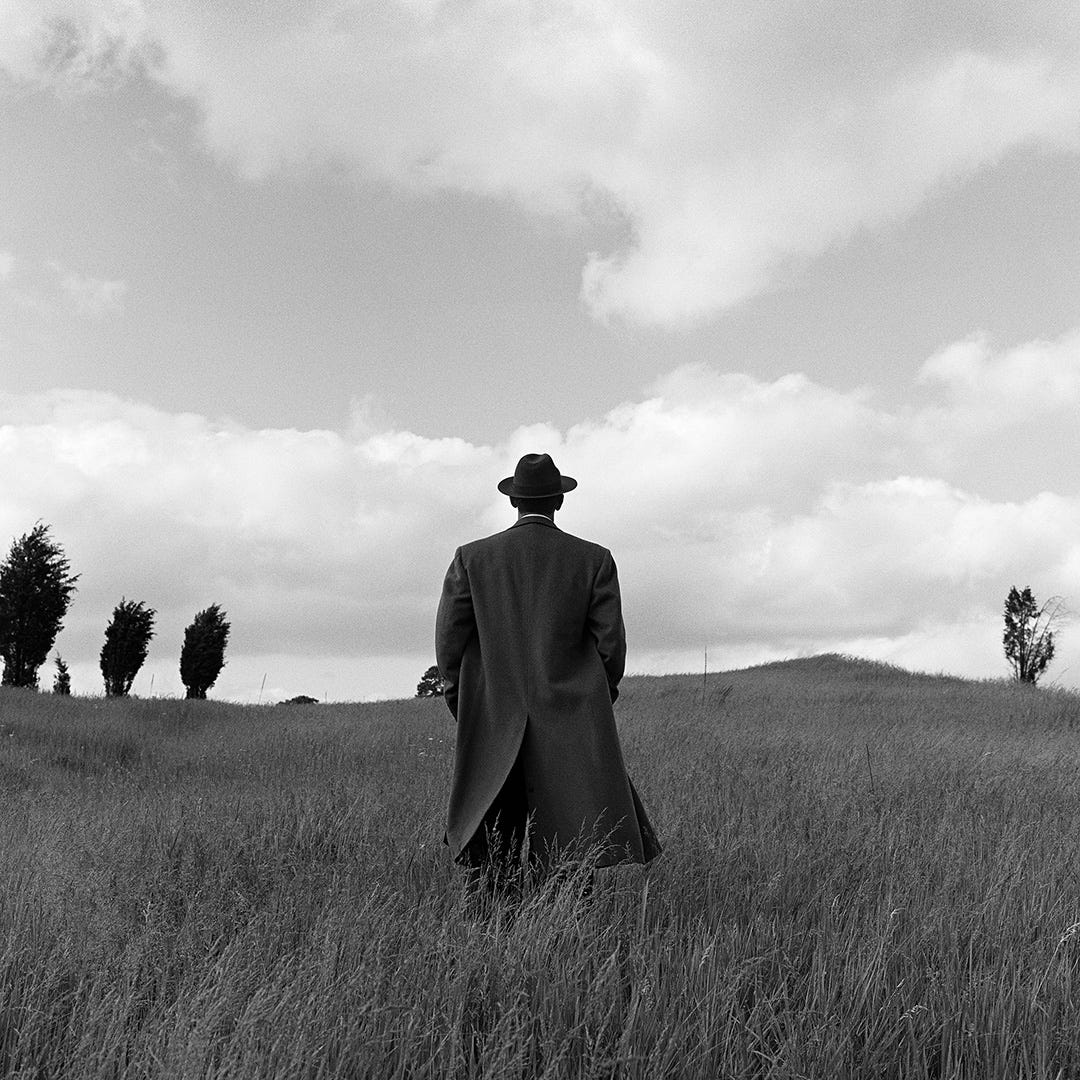
Smith, who died in 2016, made some of the most disciplined fashion and portrait photographs of his generation and declined almost every advantage his era offered him: no digital capture, no retouching, no artificial light, and for most of a forty-five-year career one camera and one lens. The results — men in suits on rooftops, women balanced on hedges, figures dwarfed by topiary and sky — look like Magritte executed by a documentarian, which is roughly what they are. This is a substantial German survey of a body of work still better known through advertising than through museums.
The School of Los Angeles
Fahey/Klein Gallery | Los Angeles
October 1 – November 28, 2026
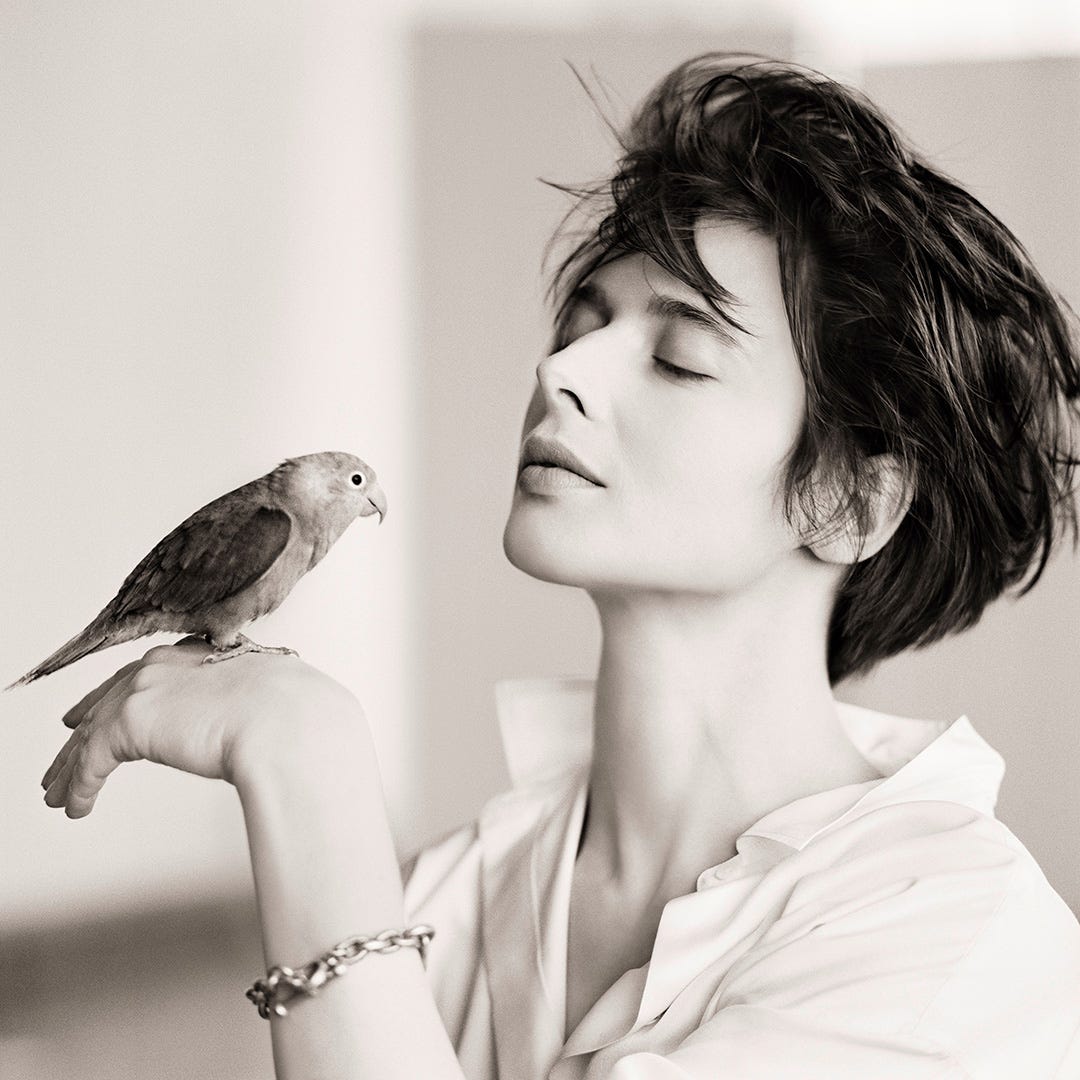
Herb Ritts, Greg Gorman and Matthew Rolston, hung together as what the gallery proposes was a school rather than three parallel careers: the Los Angeles studio photographers who took the West Coast’s light, its bodies and its industry and built a style that dominated magazine and album covers through the 1980s and 1990s. Fahey/Klein has represented all three and is unusually well placed to make the argument. There is a reception on October 1 and an artist talk on October 3.
GAG
George Eastman Museum | Rochester
October 2, 2026 – April 11, 2027
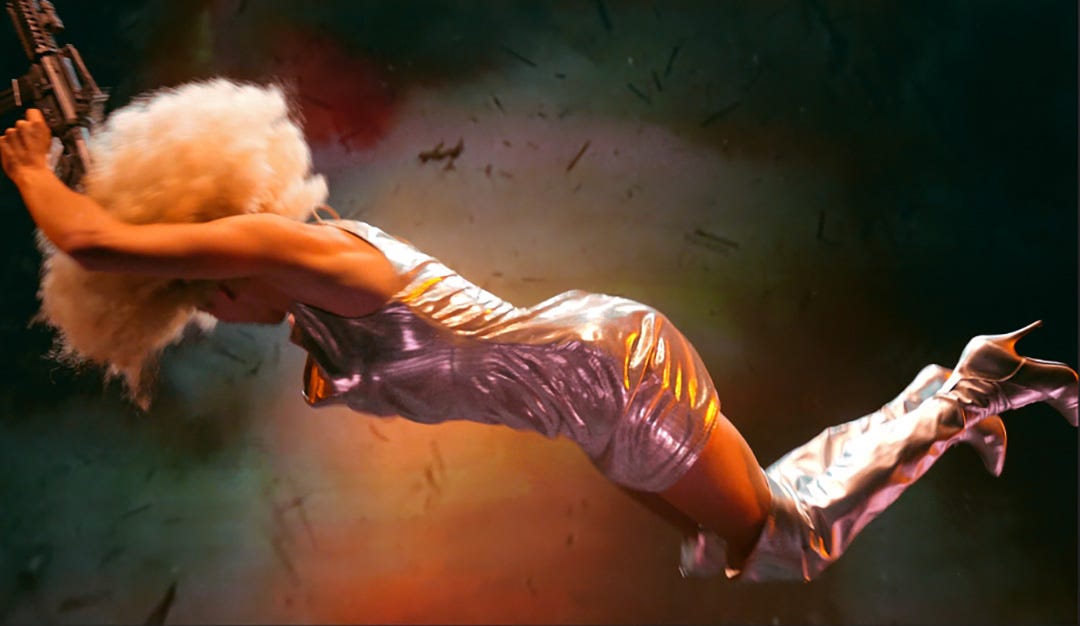
A Main Galleries group exhibition that takes the word “gag,” the joke and also the thing that stops the mouth, as a framework for reading twenty-first-century photography. A great deal of the strongest recent work sits in the narrow band where absurdity and dread turn out to be the same gesture, and museums have struggled to name that without either sanitizing it or overselling it. Eastman, of all institutions, has the collection depth to put the contemporary work into an argument with the history.
WHAT’S ON AROUND THE WORLD
Opening This Week
Amsterdam
Foam x Middle East Archive: Al Nisa / In Her Own Way — Foam, off-site at MAQAM and Mercatorplein · Opens Oct 1 (Al Nisa through Dec 20; In Her Own Way through Oct 29)
Braunschweig
People and Images: Käthe Buchler on her 150th Birthday — Museum für Photographie Braunschweig · Oct 3 – Nov 29 (opening Oct 2)
Fort Worth
Photography’s First Century: Masterworks from the Bibliothèque nationale de France — Kimbell Art Museum · Oct 4 – Jan 17, 2027
Graz
Valérie Jouve: The Outside Inside — Camera Austria · Sep 25 – Nov 22 (curated by Walter Seidl)
Kansas City
American Prospects and Landscape Photography, 1839 to Today — Nelson-Atkins Museum of Art · Opens Oct 3 (opening date listed as tentative; 80 works built around Joel Sternfeld, Watkins through Sambunaris)
Kraków
Zofia Kulik: Zamiast rzeźby. Przypisy — MuFo Rakowicka · Oct 3 – Dec 20 (vernissage Oct 2)
Milan
Carla Cerati: Plurale femminile. Fotografia e scrittura, 1926–2026 — Palazzo Reale · Sep 26 – Jan 10, 2027 (centenary; about 200 photographs across ten rooms)
Paris
René Burri: Traversées — Magnum Gallery · Through Dec 12 (30 prints, 1950–1971)
Rotterdam
Plastic Sea, Perfect Storm — Kunsthal Rotterdam · Oct 3 – Mar 7, 2027 (Rob Hornstra with Arnold van Bruggen, part of The Europeans)
Tokyo
Assembling Anew: Memories, Materials, Context, Technology — Contemporary Japanese Photography vol. 23 — Tokyo Photographic Art Museum · Sep 30 – Jan 17, 2027
Closing Soon
Brooklyn
Dakota Mace: Sǫʼ Baa Hane’ 2023–2025 — Higher Pictures · Closes Oct 3
New York
Yves Saint Laurent and Photography — International Center of Photography · Closes Sep 28
Photobooks USA 2000–25 — International Center of Photography · Closes Sep 28
Turin
Harry Gruyaert: Retrospective — CAMERA · Closes Oct 4 (his first major Italian retrospective, curated by François Hébel)
Werner Jeker: Photo Typo — CAMERA · Closes Oct 4
Zurich
Ola Kolehmainen: Memoria Mundi — Christophe Guye Galerie · Closes Oct 3 (online only)
Ongoing
A rotating selection of shows worth the trip, beyond the openings and closings above.
Dublin
Rhiannon Adam: Rhi-Entry — International Centre for the Image · Through Dec 23
Los Angeles
Ursula Schulz-Dornburg: Views of Pagan, Burma, 1976/78 — Gallery Luisotti · Through Oct 31 (US debut)
New York
Gordon Parks: Voices in the Mirror — Jack Shainman Gallery · Through Nov 6
San Francisco
Raymond Meeks: Assemblage — Casemore · Through Nov 14
Toronto
Dawoud Bey: Street Portraits — Stephen Bulger Gallery · Through Oct 17
Vienna
Zanele Muholi: We Are Here — Foto Arsenal Wien · Through Jan 10, 2027 (her first Austrian solo)
FESTIVAL WATCH
PhMuseum Days 2026: Archipelago — Bologna, Italy · Oct 1–4 (the only festival inside the publication week; core venue the Ex Ospedale dei Bastardini, with Photobook Mania at Serra Madre Oct 3–4)
Festival della Fotografia Etica — Lodi, Italy · Sep 26 – Oct 25 (17th edition)
Salon Photo & Vidéo — Paris, France · Oct 8–11 (Grande Halle de la Villette; includes a bicentenary survey of cameras from 1826 with the Musée Nicéphore Niépce)
OFF THE PRESS


Sheila by John Divola
TBW Books
Divola is best known for work he made by breaking into abandoned buildings around Los Angeles in the 1970s, spray-painting the walls and photographing what he had done to them, a practice that sat awkwardly between vandalism, performance and the dry conceptualism of the period, and has aged into one of the essential bodies of West Coast photography. Sheila is the private counterweight: portraits of his wife made between 1976 and 1984, the same years and much the same rooms and light, with none of the intervention. Fifty-one plates across 86 pages, hardcover, arriving from TBW in October.
The White Wood by Andrew Nadolski
RRB Photobooks
A decade spent inside one square mile of ancient woodland on the edge of Dartmoor, a square mile being about the area of Regent’s Park, walked over and over for ten years. Nadolski built his reputation on The End of the Land, the long project on Cornwall’s Hayle estuary, and the working method is consistent: return until the place stops performing for the camera. Published by Raft in October and distributed by RRB, in a signed first edition of 84 pages.
A Set of Tapes by Bharat Sikka
Deadbeat Club
Two road trips Sikka took to Los Angeles with his daughter as she looked at film schools, made into a book that behaves like a cassette: sequenced Side A and Side B, bound with an open spine and a folded J-card cover, the unspooled ribbon running through it as a motif. Sikka has spent twenty-five years photographing India without reaching for either the exotic or the documentary, in Matter, Space In Between, and the long study of his father. The American pictures carry the same reticence into a genre, the father-and-daughter road trip, that usually invites the opposite. Co-published with Fw:Books; 192 pages, 10 × 12.5 inches, listed for this fall.
OPEN CALLS
Earth Partner Prize 2026 — Oct 7 · free · open to ages 14–30; eight finalists share $10,000, $5,000 and $2,000 awards, with 20 honorable mentions
Travel Photographer of the Year 2026 — Oct 12, 23:59 UK · £14–£59 depending on entry type, and free for Young TPOTY entrants aged 18 and under
The W. Eugene Smith Grant for Student Photographers — Oct 12, 11:59 p.m. EDT · $10, with fee waivers through some nineteen partner organizations · two grants of $5,000 each; recipients announced December 15
Raccont’Arti: Contemporary Photography Award 2026 — Oct 15 · free · theme “Beyond the visible: the image of absence”; €3,000 open prize and a €500 student prize, with a group exhibition in Castelfiorentino
ON THIS DAY
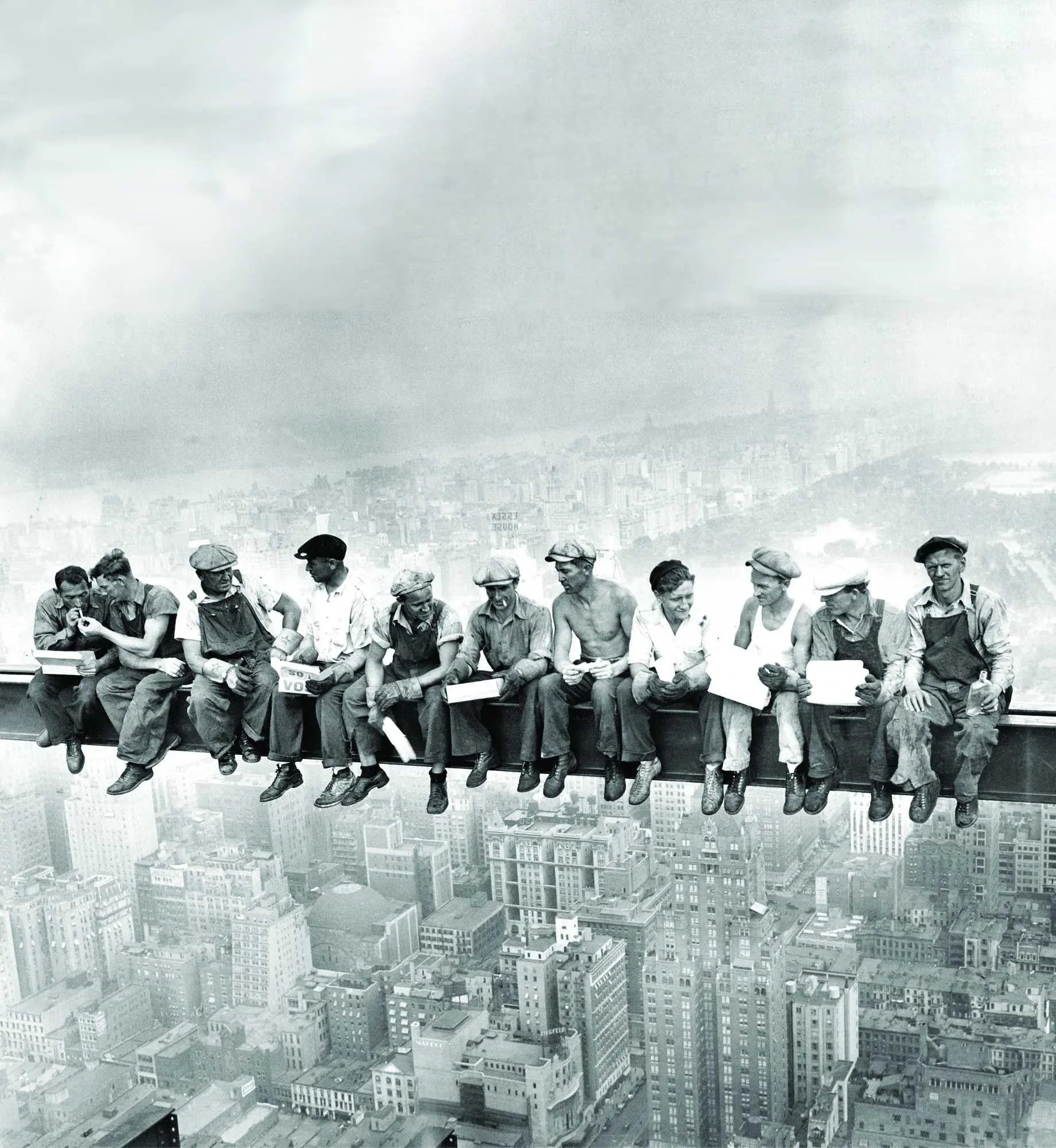
October 2, 1932 — “Lunch Atop a Skyscraper” is published in the New York Herald Tribune.
Eleven ironworkers eating on a girder, boots hanging over eight hundred feet of Manhattan, no harnesses and no visible concern. It ran in the Herald Tribune's Sunday supplement under the title "Builders of The City Enjoy Luncheon" and became one of the most reproduced images of the twentieth century, and almost nothing it appears to document is reliable. The sitting was staged on September 20, one of several publicity shots made to sell office space in a half-finished skyscraper during the Depression; other frames from the same session show the men napping on the beam or hoisting a flag, and there was very probably a finished floor just out of shot. Authorship is the longer argument. Charles C. Ebbets, William Leftwich and Thomas Kelley were all photographing the site that day, and after Ebbets's daughter produced his paycheck and a picture of him at work with a camera, Corbis credited him in 2003, then withdrew the credit once it was clear the other two had been there too. The picture circulates now under an archive credit and no photographer's name.

THE INTERNATIONAL REVIEW OF PHOTOGRAPHY
To advertise an exhibition, book, fair, or open call to photography collectors, curators, and gallerists worldwide, email internationalphotographynews@gmail.com