
THE PHOTOGRAPH
“American Girl in Italy” — Ruth Orkin, 1951
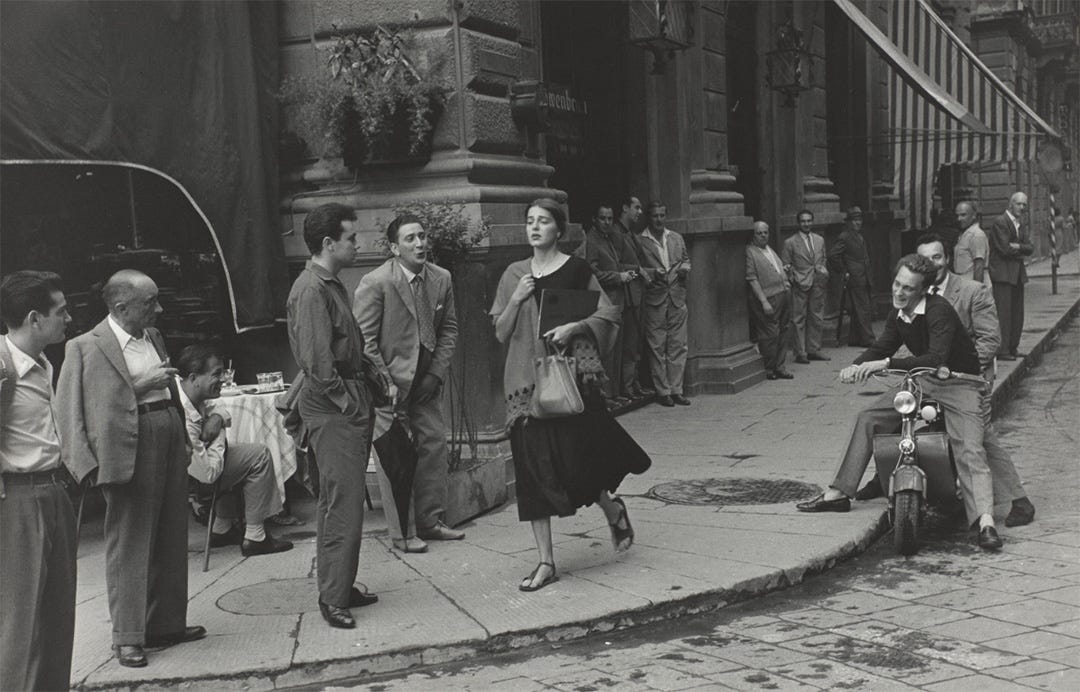
Seventy-five years ago this month, on the Piazza della Repubblica in Florence, a twenty-nine-year-old American photojournalist raised her camera twice and made one of the most reproduced photographs of the twentieth century. Ruth Orkin had met Ninalee Craig — then traveling as Jinx Allen — at a Florence hotel days earlier. Both women were alone in postwar Europe, and both were tired of being told that was a problem. They decided to spend a day documenting what it actually looked like. Orkin asked Craig to walk the length of the piazza, watched the men on the street respond, then asked her to walk it once more. It took two exposures.
The picture ran the following year in Cosmopolitan, inside a series Orkin had titled Don’t Be Afraid to Travel Alone, accompanying an article on money, men, and morals for the woman abroad. The title is the part everyone forgets. The photograph was made as an argument for going anyway — a young woman moving through a foreign city with her chin up and fifteen men registering her passage — and it was published as encouragement, not as warning.
Then the audience changed, and the picture changed with it. By the 1970s the image was circulating as a document of street harassment, and by the 2010s it was doing that work on posters, book covers, and the walls of college dormitories. Craig spent the last thirty years of her life objecting. “This image has been interpreted in a sinister way but it was quite the opposite,” she wrote in her own byline for The Guardian in 2015. “They were having fun and so was I.” Her expression, she insisted, was not distress but posture: “I saw myself as Beatrice of Dante’s Divine Comedy. You had to walk with complete assurance and maintain a dignity at all times.” Four years earlier she had been blunter still, telling NBC that the picture “is not a symbol of harassment. It’s a symbol of a woman having an absolutely wonderful time.” She died in 2018, at ninety, having never persuaded the internet.
The print now sits in the collection of The Museum of Modern Art, catalogued as American Girl in Florence, Italy — a gelatin silver print, 8½ by 11 15/16 inches, accession 32.2021, given by Helen Kornblum in honor of the curator Roxana Marcoci. It was last shown there in 2022, in an exhibition drawn entirely from Kornblum’s gift of work by women artists.
WHY IT MATTERS
A photograph does not get to decide what it means. Orkin made a picture about nerve; two generations read it as a picture about threat; the woman inside the frame spent decades telling anyone who would listen that they had it backward, and lost. That gap — between what a photographer intended, what a subject experienced, and what a public needed the image to say — is not a failure of the medium. It is the medium. Every picture in this issue is currently being read by somebody in a way its maker did not plan.
EXHIBITION HIGHLIGHTS
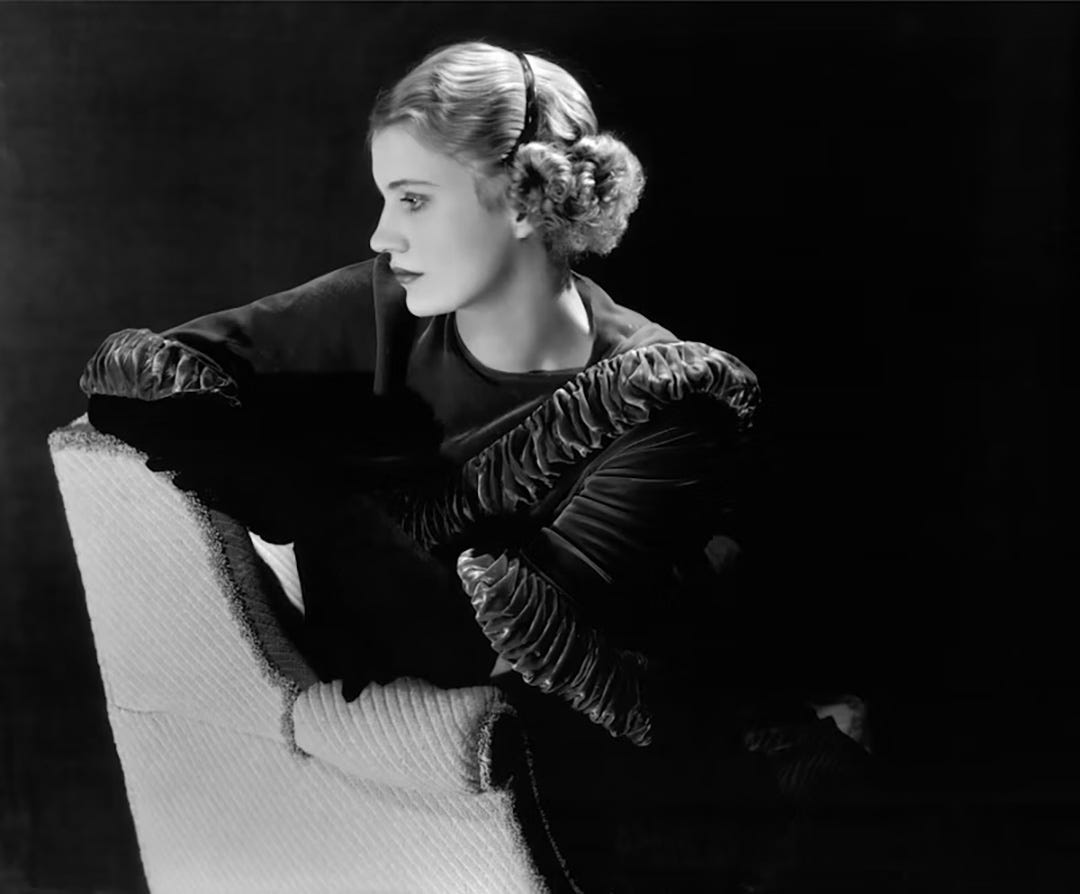
Lee Miller: Fearless
Art Institute of Chicago
August 29 – December 7, 2026
The first comprehensive survey of Lee Miller’s photographs in more than twenty-five years opens in Chicago this week, gathering roughly 150 works across a career that ran from Surrealist experiment in 1920s Paris to accredited war correspondence in 1945. Two full rooms are given to the war chapter, when Miller talked Vogue into becoming a wartime news outlet and spent two months in Germany as Buchenwald and Dachau were liberated. Several photographs from her years in Egypt — the least examined stretch of her working life — have never been exhibited. Curated by Matthew S. Witkovsky with Tate Britain’s Hilary Floe, the show takes its title from Miller’s own description of her method: it was a matter of getting out on a damn limb and sawing it off behind you.
The Way We Never Were: The American Professional Photographers Collection
Harvard Art Museums, Cambridge
August 29, 2026 – May 9, 2027
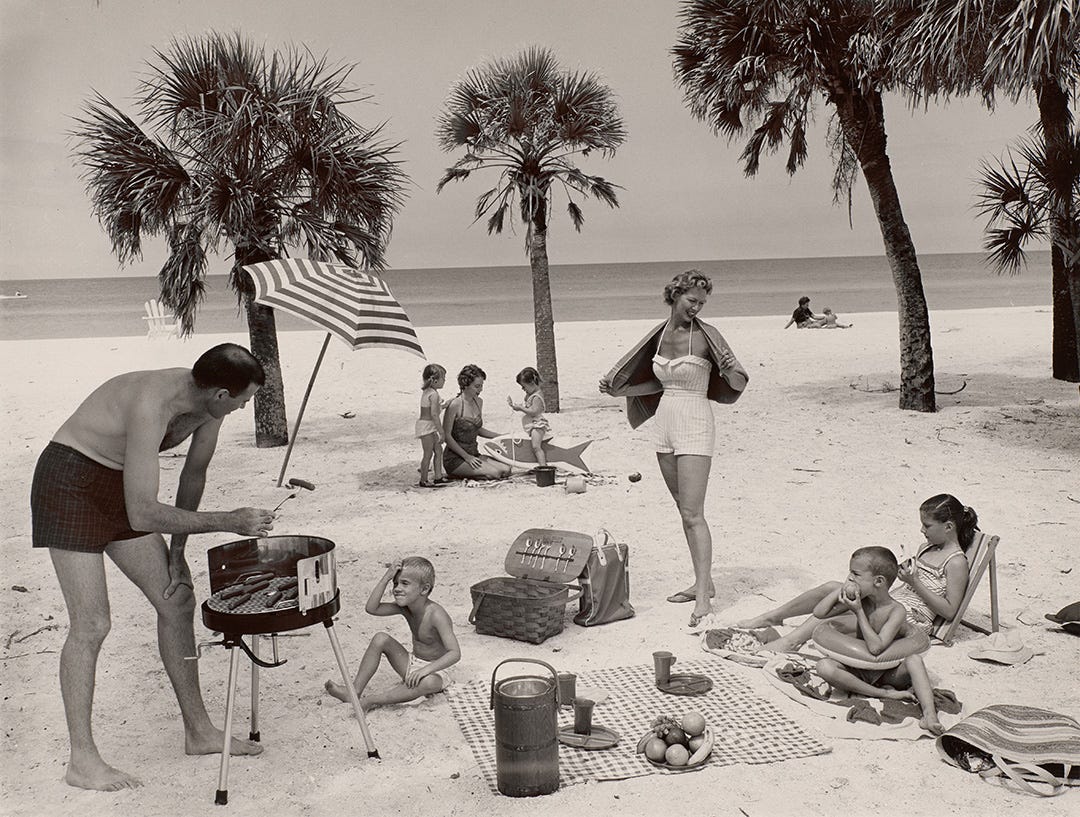
Between the late 1930s and the early 1960s, working American studio photographers produced an enormous quantity of commissioned images — weddings, school portraits, corporate banquets, civic ribbon-cuttings — and in the 1970s the sociologist Barbara P. Norfleet gathered more than 20,000 of them into a single archive at Harvard. The exhibition drawn from it argues that this commercial work did more than record postwar life; it staged and refined how Americans wanted to be seen. Organized around the economic boom, the rise of suburbia, and the early struggles for equal rights, it reads the collection for absences as much as for content. Curated by Audrey Sands with Madison Brown.
Inuuteq Storch: Swing by at 14:14
Wilson Saplana Gallery, Copenhagen
August 21 – September 26, 2026
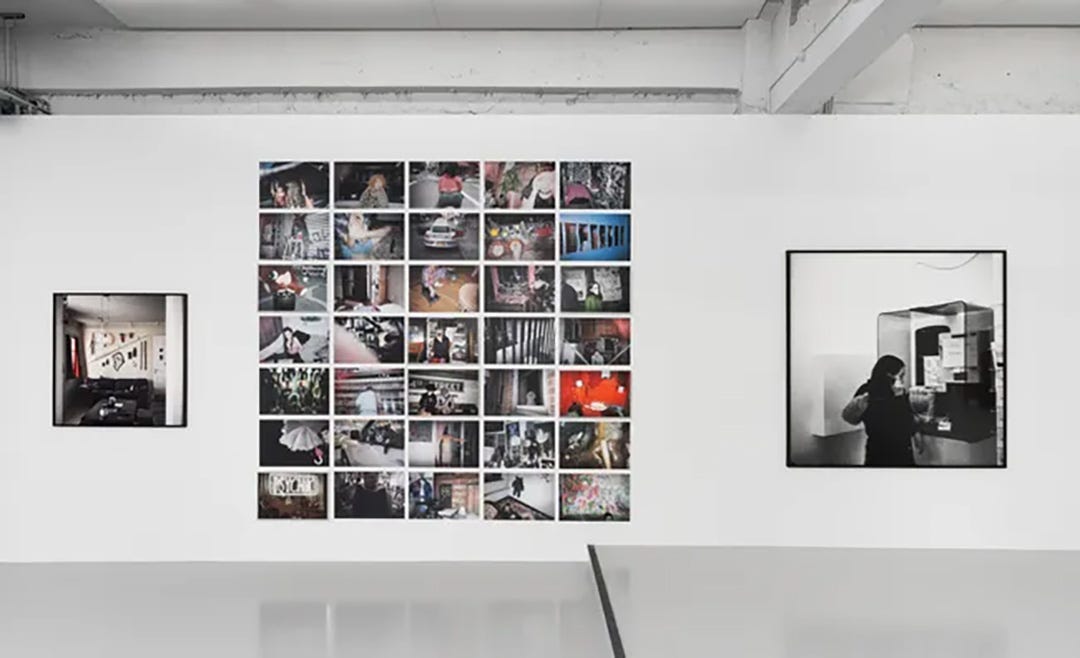
Two years after representing Denmark at the Venice Biennale with Rise of the Sunken Sun, Inuuteq Storch brings two analogue series into conversation for his first solo show at the gallery: Flesh (2016–2019), made on the move in New York and composed almost entirely through glass — windows, façades, phone booths — and Swing by at 14:14 (2020–2026), made on repeated returns to Tasiilaq in East Greenland. The gallery is direct about what the second series refuses: visitors arriving expecting sublime landscape or traditional hunting culture instead get friendship, community, and the social life of young people. One image that reads as ceremonial dress turns out to be a paint-stained painter’s coverall. “East is where I found myself,” Storch says of the work.
WATCHING — Cheryl Pagurek
Patrick Mikhail Gallery, Montreal
August 22 – October 24, 2026
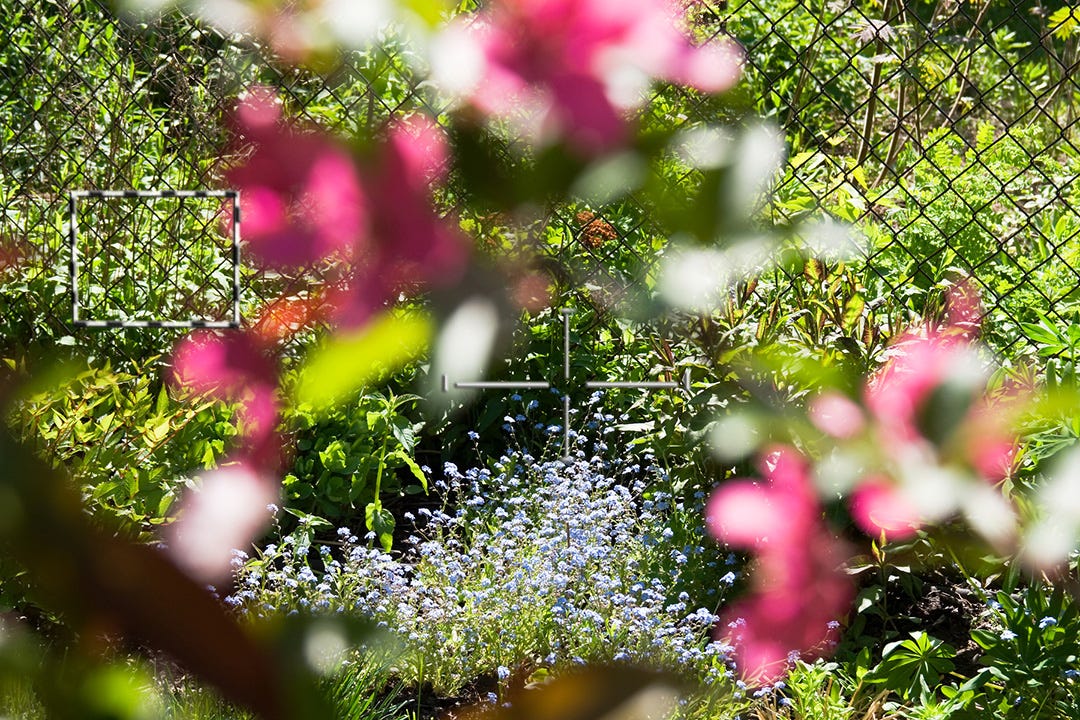
Seventeen years of Cheryl Pagurek’s work on surveillance are assembled here across photography, video, and interactive installation. The earliest strand, the 2009 photographic series High Value Targets, sets military footage against intimate recordings of the artist’s own garden, framing both through viewfinder crosshairs and night-vision scopes to make the point that the apparatus of looking is shared between the camera and the weapon. The newest work, Refresh, is an interactive collage that inverts the arrangement: the gallery visitor is the one being watched, and gains something by it. Pagurek came to photography by documenting her own ephemeral installations, which explains a body of work more interested in the act of watching than in any single image.
Alia Ali: In Light of…
Kunsthalle Helsinki (Taidehalli)
August 20 – November 1, 2026
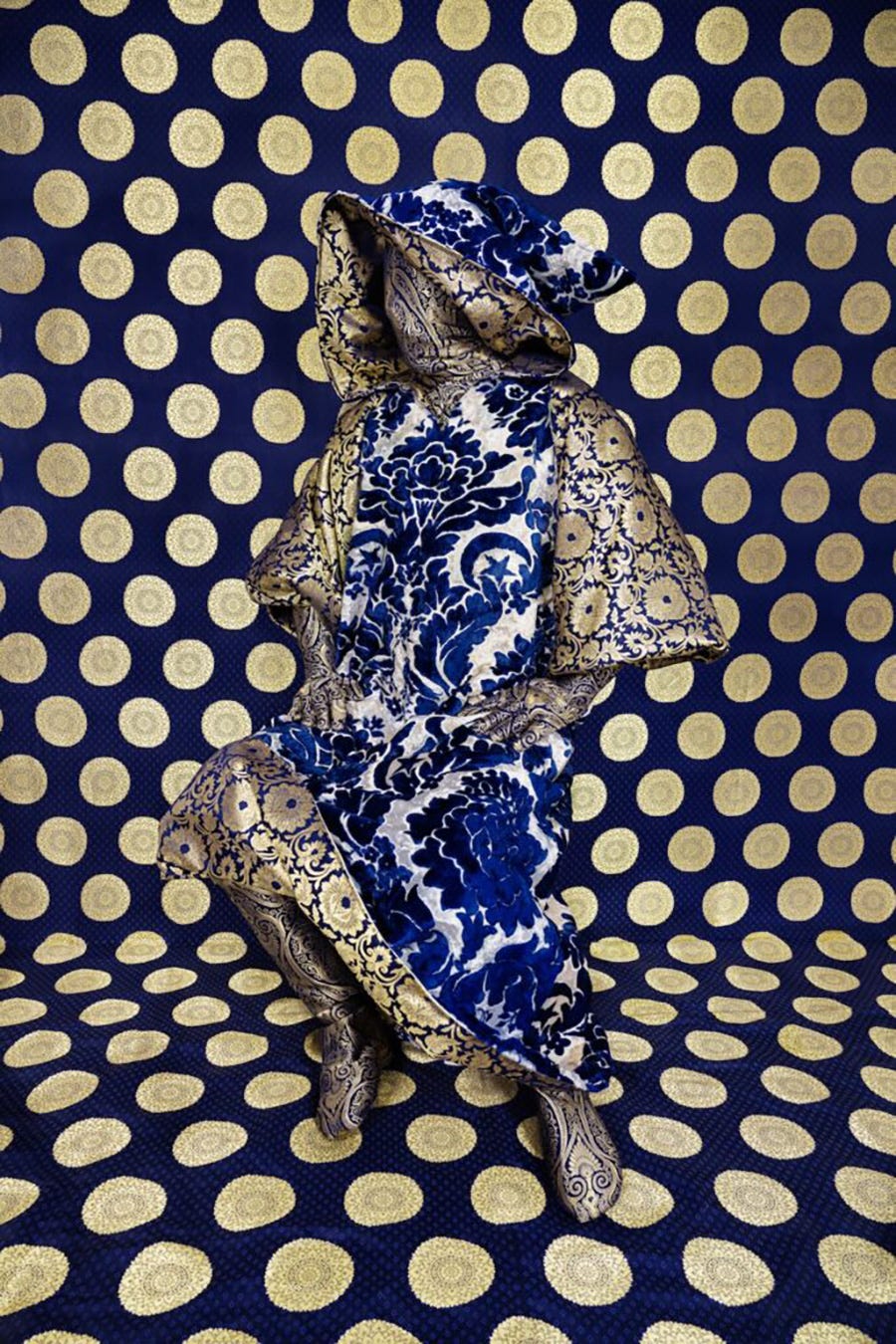
Alia Ali’s first solo exhibition anywhere in the Nordic region is built around a condition rather than a subject: Kunsthalle Helsinki’s galleries run on natural light, and Finnish daylight will contract steadily across the run. Ali has made work that responds to that fade. Textiles, photography, sculpture, wall painting, and sound share the space, including a fully upholstered room devoted to the history and craft of batik and a new commission, Homage, of sculptural garments cut from French velvet originally designed for Moroccan royalty and modeled on Yemeni ceremonial dress. Ali’s practice draws on Yemeni and Bosnian heritage and a life shaped by movement; she is a Jameel Fellow at the Victoria and Albert Museum. Presented with the Helsinki Festival.
WHAT’S ON AROUND THE WORLD
Opening This Week
Aarhus
Heat Wave: Contemporary Brazilian Photography — Galleri Image · Opens Aug 21
Bern
Fokus. Florence Henri (1893–1982) — Zentrum Paul Klee · Opens Aug 29 (one-room display, included with the collection ticket)
Berlin
Die Augen weit offen — Thomas Billhardt — Fotografiska Berlin · Opens Aug 28 (through Feb 7, 2027)
Chicago
Light Slip: Archive, Abstraction, and Phenomena — Sonja Thomsen & Aaron R. Turner — Filter Space · Opens Aug 21
Copenhagen
30th Anniversary: A Centre for Photography — Fotografisk Center · Opens Aug 28
Cottbus
Ungebremste Selbstbewegungen: Kunst mit Fotografie in der DDR — BLMK Dieselkraftwerk · Opens Aug 29
Düsseldorf
Eva Rubinstein — Galerie Clara Maria Sels · Opens Aug 29 (with a room dedicated to Duane Michals, 1932–2026)
Iserlohn
Skandinavien. Unberührte Wildnis — Florian und Lisa Marie Smit — Städtische Galerie Iserlohn · Opens Aug 21
Johannesburg
A Johannesburg Landscape (or Thirteen Tons Settled to Brick) — Mikhael Subotzky — Goodman Gallery · Opens Aug 27
Los Angeles
Timeline: A Record of The Moment — Los Angeles Center of Photography · Opens Aug 28 (reception Aug 29)
Melbourne
The Weight of Silence — Nathanael Edwards — Vivien Anderson Gallery · Opens Aug 19
Olten
PHOTOVILLE4600 (5th edition) — IPFO Haus der Fotografie · Opens Aug 21
Oslo
The Island, the Mine, and the Resistance Gardens — Crystal Bennes — Fotogalleriet · Opens Aug 20
Pittsburgh
Ryan Frigillana: Tears, Blood, Sweat — Silver Eye Center for Photography · Opens Aug 27
Tokyo
Twilight and Evening Bell — Seung-Woo Yang, Haruto Hoshi, Brian Sergio — Zen Foto Gallery · Opens Aug 21
Vienna
Kamera an Bord. Zwischen Arktis und Südsee 1855–1917 — Photoinstitut Bonartes · Opens Aug 21 (viewing by appointment)
Closing Soon
Amsterdam
Foam Talent 2026 — Foam · Closes Aug 26
Berlin
Juergen Teller: Guten Morgen Sonnenschein — Contemporary Fine Arts · Closes Aug 29
Frankfurt
GEN Z: Shaping a New Gaze — Fotografie Forum Frankfurt · Closes Aug 30
Madrid
Richard Avedon: In the American West, 1979–1984 — Fundación MAPFRE · Closes Aug 30
Alejandro Cartagena: Ground Rules — Fundación MAPFRE · Closes Aug 30
Vienna
Katherine Hubbard: The Great Room — Wiener Secession · Closes Aug 30
Washington, DC
The Outwin 2025: American Portraiture Today — National Portrait Gallery · Closes Aug 30
FESTIVAL WATCH
Visa pour l’Image 2026 (38th edition) — Perpignan, France · Aug 29 – Sep 13 (photojournalism; professional week Aug 31 – Sep 5)
Ragusa Foto Festival 14 — Ragusa, Sicily · Aug 27 – Sep 27 (theme: Mediterranean Archetypes; Massimo Vitali, Evangelia Kranioti, Mous Lamrabat)
Kranj Foto Fest 2026 — Kranj, Slovenia · Aug 27 – Sep 27 (work sited through the medieval town; Marisol Mendez, Federico Estol, Maria Sturm)
OFF THE PRESS


Taking Back Our Space: Photographic Perspectives
The Museum of Modern Art, New York
Edited by Roxana Marcoci and Caitlin Ryan, this is the book for the MoMA exhibition opening September 20, and it starts where the German artist Marianne Wex started: with thousands of surreptitious street photographs of how men and women physically occupy public space. Wex’s 1970s taxonomy of posture — legs open, legs closed, arms out, arms in — is set against work by seven contemporary artists who take up the same question from non-binary, queer, decolonial, and intersectional positions: Nona Faustine, Martine Gutierrez, K8 Hardy, Yuki Kihara, Joiri Minaya, Paulina Olowska, and Wendy Red Star. A previously unpublished interview with Wex anchors the volume, alongside new conversations with each artist.
Tim Walker’s Fairyland: Love and Legends
National Portrait Gallery Publications, London
Five years of new work by Tim Walker, made explicitly around queer identity, love, and community, and published to accompany his National Portrait Gallery exhibition opening October 9. The sitters run from Alan Bennett and Miriam Margolyes to Ncuti Gatwa, Chappell Roan, and Harry Styles, with Bernardine Evaristo and Isaac Julien among the artists and writers photographed. Essays come from Shon Faye, Russell T Davies, Travis Alabanza, Lisa Power, and Joelle Taylor, and the book closes with conversations between Walker and the exhibition’s curator, Susanna Brown.
Lorna Simpson: Third Person
The catalogue to Lorna Simpson’s Third Person at Punta della Dogana — the first exhibition of its scale devoted to Simpson anywhere in Europe, running in Venice through November 22 — edited by Emma Lavigne and conceived and designed by Irma Boom Office. The book follows the through-line the exhibition proposes: Simpson’s long practice of lifting archival images from Ebony and Jet and reworking them by screen printing, layering, and pictorial erasure, and the movement out of that method into painting. Its sections are organized less by chronology than by operation — cutting, pasting, reconfiguring.
ON THIS DAY
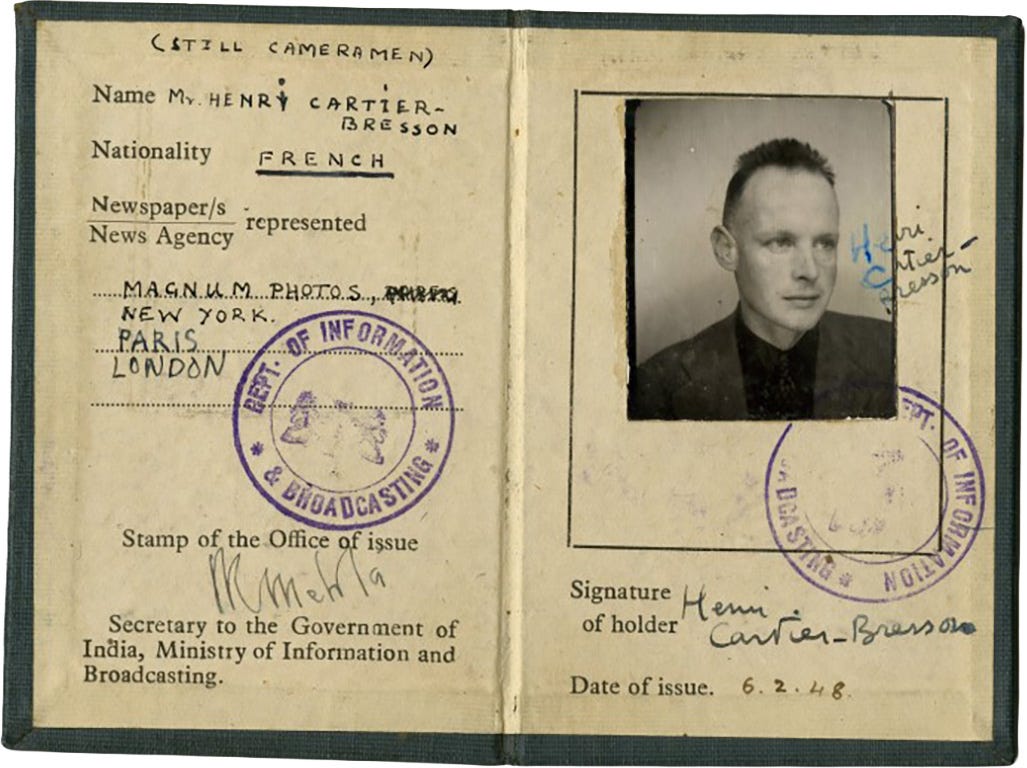
August 22, 1908 — Henri Cartier-Bresson is born at Chanteloup, Seine-et-Marne. He came to photography late and by accident, abandoning painting in 1931 after seeing Martin Munkácsi’s photograph of three boys running into Lake Tanganyika; he would later say it was the picture that made him realize a photograph could fix eternity in an instant. He bought a Leica the following year, co-founded Magnum Photos in 1947 with Robert Capa, David Seymour, George Rodger, and William Vandivert, and then, in 1975, largely put the camera down and returned to drawing for the last three decades of his life. Fondation Henri Cartier-Bresson

THE INTERNATIONAL REVIEW OF PHOTOGRAPHY
To advertise an exhibition, book, fair, or open call to photography collectors, curators, and gallerists worldwide, email internationalphotographynews@gmail.com