

THE PHOTOGRAPH
“Moonrise, Hernandez, New Mexico” — Ansel Adams, 1941
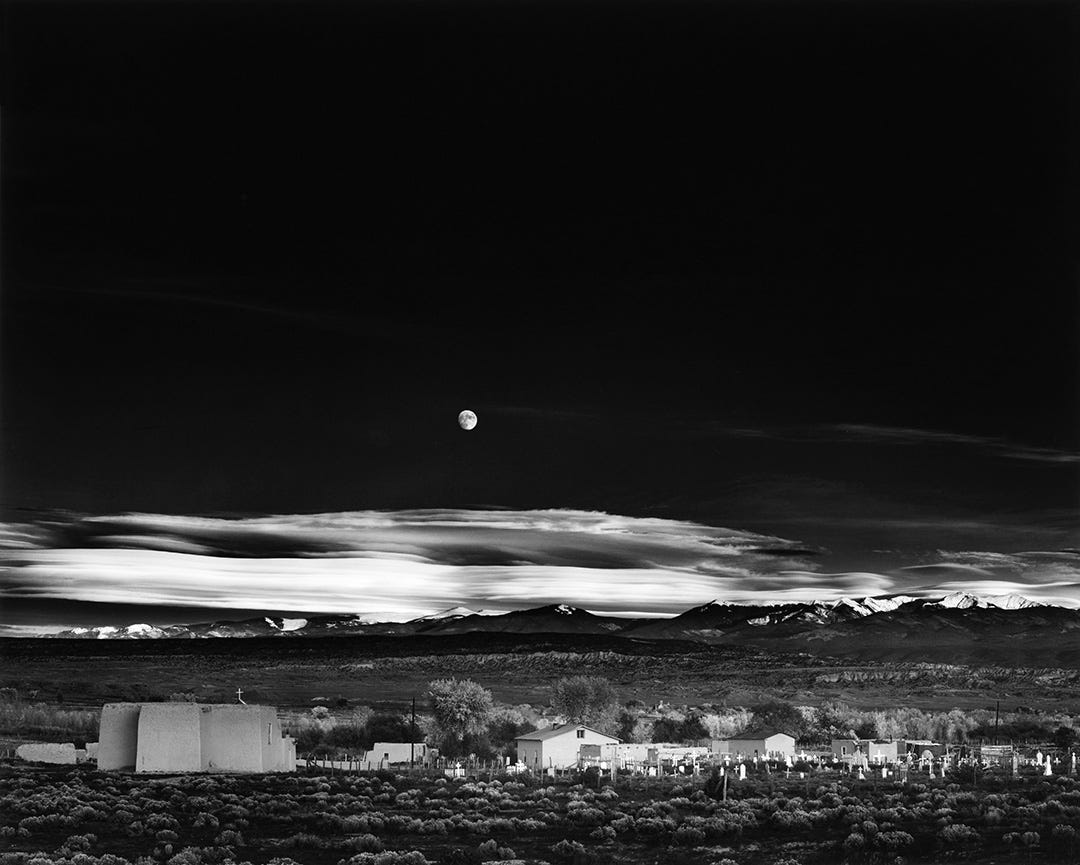
A row of small adobe houses, a scatter of white wooden crosses in the village graveyard catching the very last of the sun, and above them a nearly black sky with the moon hung high over the Sangre de Cristo mountains. Ansel Adams made the picture late on an afternoon in the autumn of 1941, on a roadside near the village of Hernandez, New Mexico, and for a great many people it remains the most beloved American photograph ever made — the closest the medium has come to a national landscape painting.
Adams was driving back toward Santa Fe with his son and a friend when the light fell on the crosses and he realized he had only seconds. He could not find his Weston light meter in the clutter of the car, so he set the exposure from memory, using the one value he happened to know cold — the luminance of the moon — and made a single sheet-film exposure. By the time he had reversed the film holder for a safety frame, the sun had left the crosses and the picture was gone. There is exactly one negative.
What there is not is one photograph. Over the next four decades Adams returned to that negative again and again, and the print you have seen is almost certainly not the print he made in 1941. He steadily deepened the sky toward black and darkened the foreground, pushing a quiet evening scene toward something operatic; by his own account he made well over a thousand prints, and the early ones and the late ones scarcely look like the same image. Moonrise is the clearest proof he ever offered of his own credo — that the negative is the score and the print is the performance, and that the performance can go on being revised for as long as the photographer lives.
He is, fittingly, back on museum walls this summer. Ansel Adams in Our Time continues its tour, and a new pairing, Silver & Smoke: George Masa & Ansel Adams, runs at the Blowing Rock Art & History Museum in North Carolina through October — occasions, as the Ansel Adams Gallery notes in its own account of the picture, to look again at how much of the thing we call a photograph happens after the shutter has closed.
WHY IT MATTERS
The romance of photography is the decisive moment, the single frame seized before the light changes. Moonrise honors that and then quietly contradicts it. The frame was seized in a few seconds without a meter; the picture took forty years. In a summer when our phones make “the shot” a decision the software finishes for us in milliseconds, Adams’s lifelong argument with one negative is worth sitting with — a reminder that exposure is where a photograph begins, not where it is decided.
EXHIBITION HIGHLIGHTS
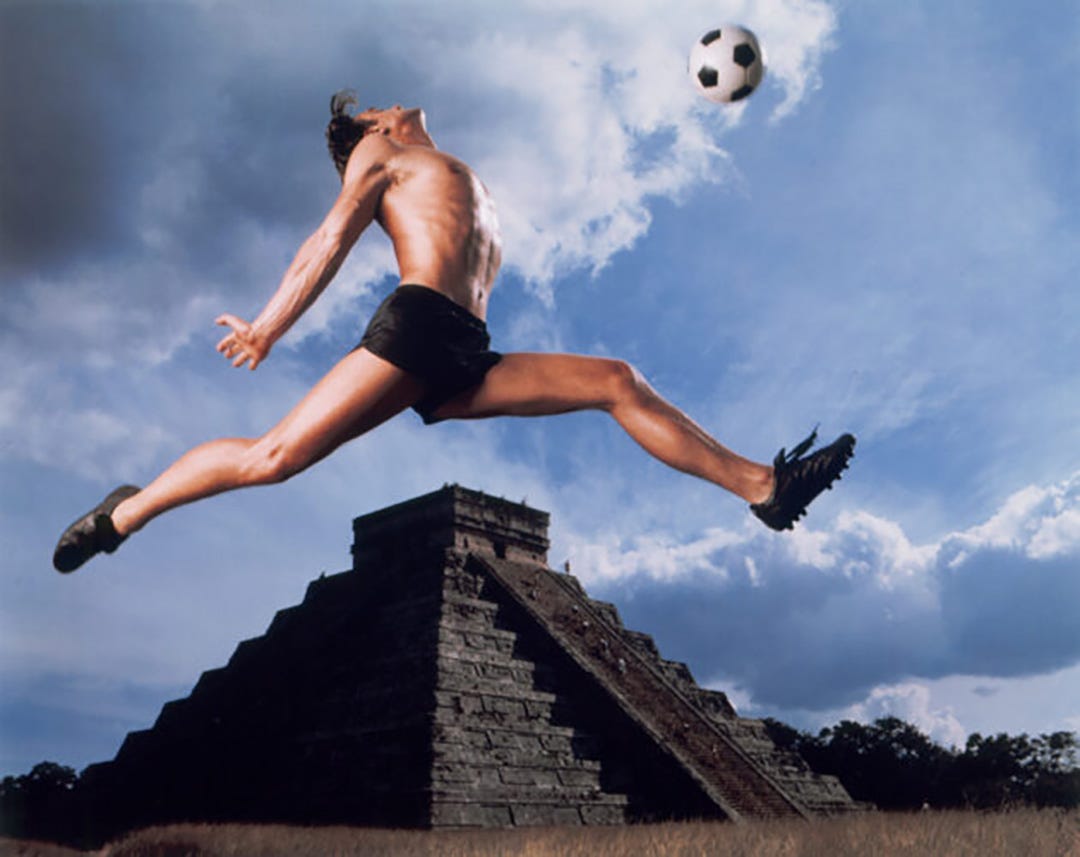
México y el fútbol: la mirada de Leibovitz
Casa de México / PHotoESPAÑA, Madrid
June 19 – September 13, 2026
The timing is hard to beat: as the 2026 World Cup plays out across North America this summer, PHotoESPAÑA gives over the Casa de México to Annie Leibovitz’s photographs of the game, made in and around Mexico. It is a reminder that one of the most famous portraitists alive is also, repeatedly, a photographer of spectacle and crowd — and that football, like rock and like Hollywood, is one of those subjects whose mythology a Leibovitz picture both records and helps to manufacture.
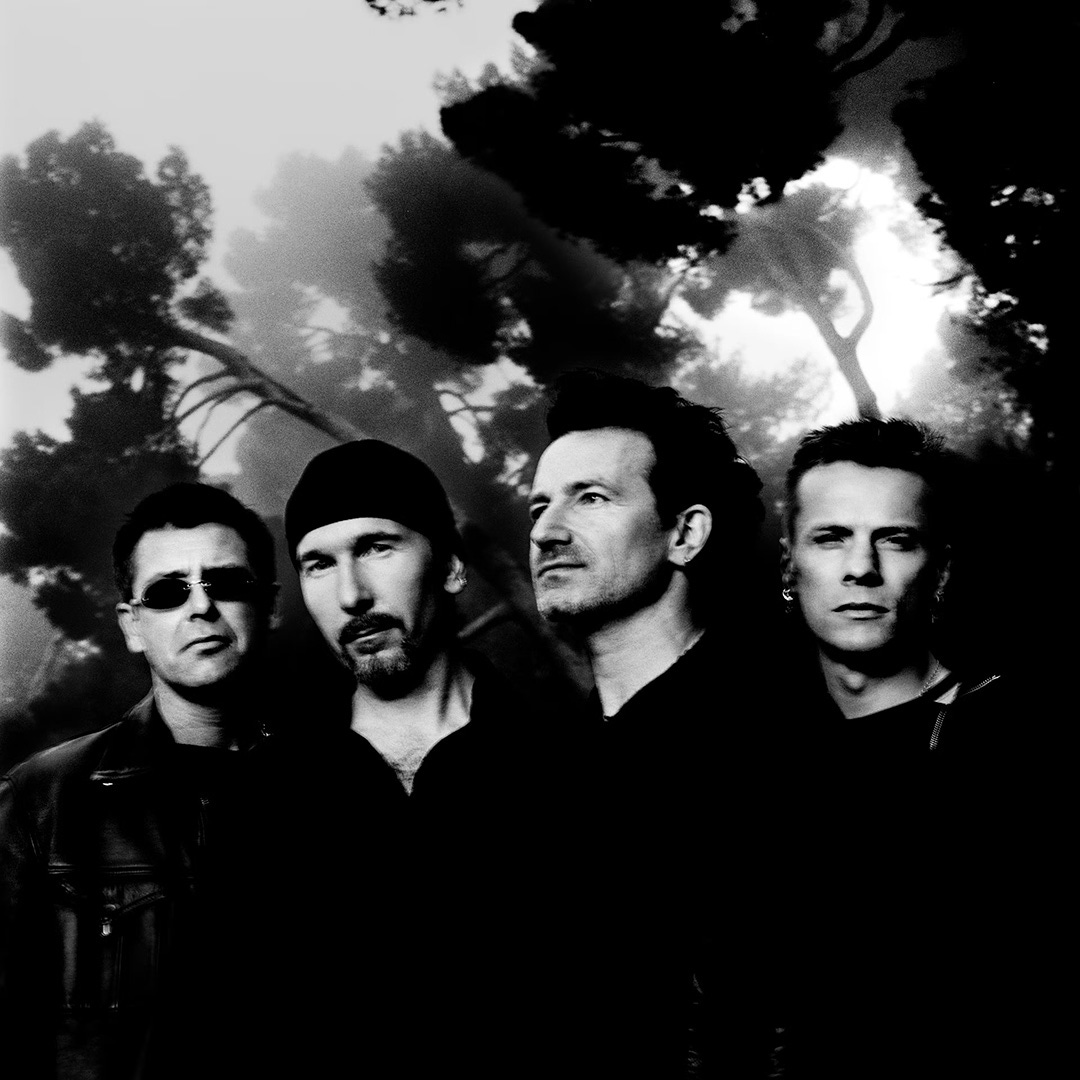
Corbijn, Anton
Fotografiska Berlin
June 20 – November 1, 2026
For four decades Anton Corbijn has been the man who decides what our musicians look like — the grainy, weather-beaten black and white that shaped the public faces of Joy Division, U2, Tom Waits, and Depeche Mode, and later the films, including Control, that extended the same melancholy gaze into motion. Fotografiska’s Berlin retrospective takes the full measure of a career built at the seam between portraiture and myth-making, where the photograph is never quite a document and never quite an advertisement.
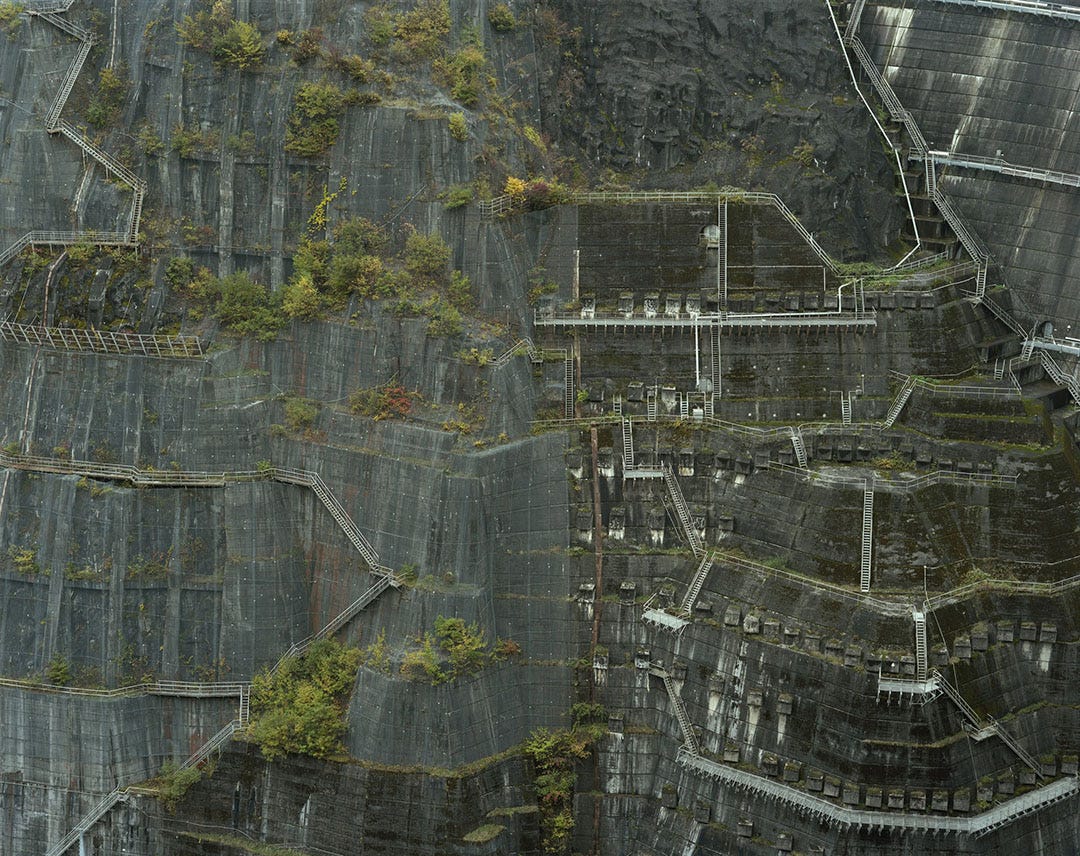
Toshio Shibata: Concrete Poetry
Gallery Luisotti, Los Angeles
June 20 – August 1, 2026
If Adams is this week’s reminder of the American sublime, Toshio Shibata is its cooler, more skeptical cousin. For more than forty years the Japanese photographer has trained a large-format camera on the places where engineering meets terrain — dams, spillways, slope-stabilization, the concrete netting thrown over a mountainside — and found in them a strange, flattened beauty that hovers between document and abstraction. This survey draws on three decades of black-and-white and color work, a quietly radical argument that the engineered landscape is as worthy of contemplation as any wilderness.
Ernest Cole: Black America Unseen
Goodman Gallery, New York
June 18 – July 24, 2026
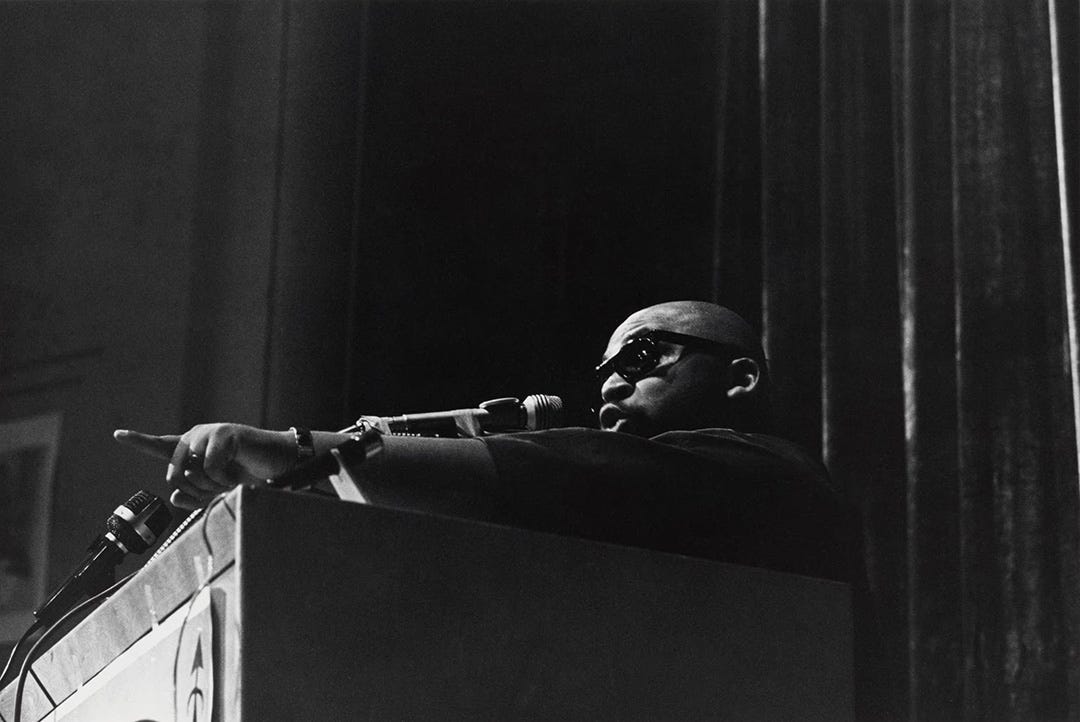
Ernest Cole (1940–1990) made House of Bondage, the 1967 book that laid apartheid bare for the world and made it impossible for him to return to South Africa; he spent the rest of his life in exile, much of it in the United States, and died in New York at forty-nine, largely forgotten. The rediscovery of some sixty thousand of his negatives in a Swedish bank vault in 2017 has driven a steady reappraisal — a new book, Raoul Peck’s documentary Ernest Cole: Lost and Found — and this show gathers rediscovered vintage prints from his American years, the work of a man who had escaped one segregated society only to train his eye, unsparingly, on another.
Paul Mpagi Sepuya: In the Gaze of Desire
Sprengel Museum, Hannover
July 1 – October 4, 2026
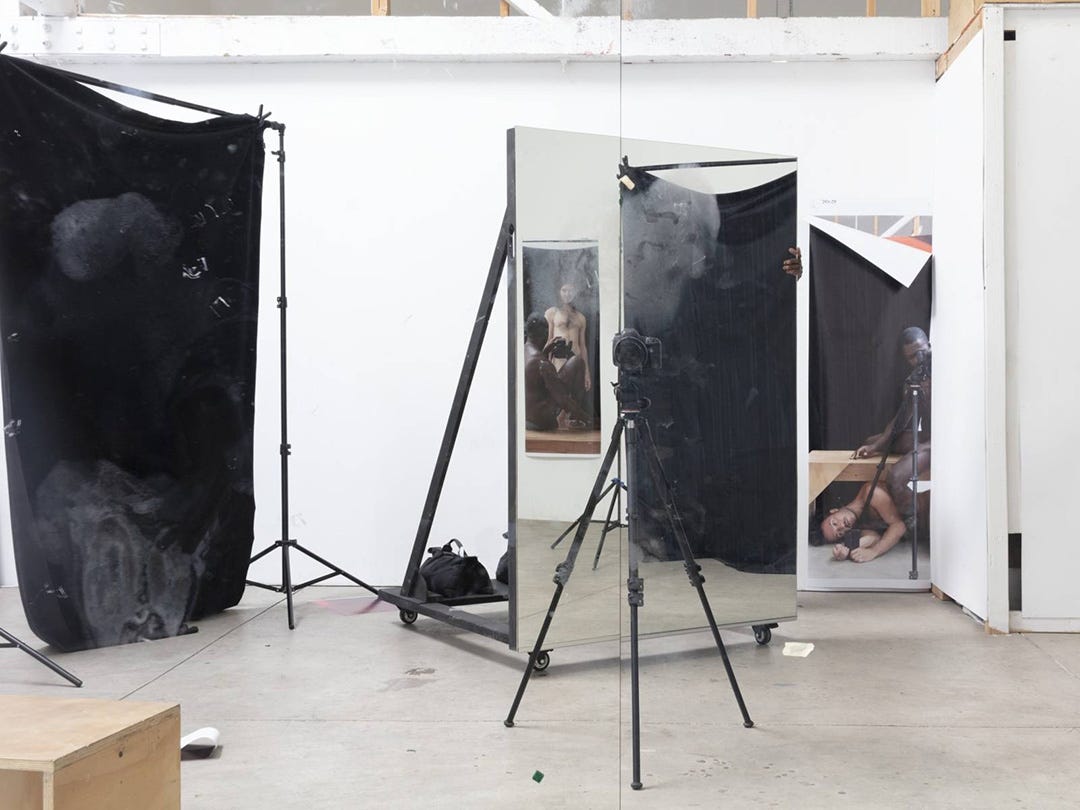
Opening midweek, the Sprengel gives the American photographer Paul Mpagi Sepuya a major museum survey. Sepuya rebuilt the studio portrait from the inside out — mirrors, fragments, draped backdrops, the camera and the photographer’s own body folded into the frame — to ask who is looking at whom, and on whose terms, in pictures of Black and queer desire. It is among the most genuinely original bodies of portrait work of the past decade, and it arrives in Germany as the centerpiece of the museum’s photographic summer.
EXHIBITIONS
Opening Soon
Berlin
Erwin Olaf: Muses — f³ – freiraum für fotografie · Opened Jun 27 (staged portraiture)
The Lure of the Image — C/O Berlin Talent Award 2026 — C/O Berlin · Opened Jun 20 (emerging)
Hannover
Paul Mpagi Sepuya: In the Gaze of Desire opens — Sprengel Museum
Bristol
Polly Braden: Against the Tide — Arnolfini · Opened Jun 27 (documentary)
A Coruña
Paolo Roversi: Doubts — The MOP Foundation · Opened Jun 20 (fashion)
Turin
Harry Gruyaert: Retrospettiva — CAMERA · Opened Jun 17 (color)
Milton Keynes
Jacques-Henri Lartigue: Life in Colour — MK Gallery · Opened Jun 20 (historical / color)
Geneva
Minor Tides — Centre de la Photographie Genève · Opens Jul 2
Closing Soon
Rome
World Press Photo 2026 — Palazzo Esposizioni · Closes Jun 29 (photojournalism)
Los Angeles
Catherine Opie: Holding Blue — Regen Projects · Closes Jul 3
Munich
Lisette Model — Kunstfoyer · Closes Jul 5 (historical)
Ongoing
A rotating selection of shows worth the trip, beyond the openings and closings above.
Amsterdam
Ed van der Elsken: Up Close — Rijksmuseum · Through Sep 13
Madrid
In the American West — Richard Avedon — Fundación MAPFRE · Through Aug 30
New York
Hujar:Contact — The Morgan Library & Museum · Through Oct 25 (historical)
Yves Saint Laurent and Photography — International Center of Photography · Through Sep 28
Alex Prager: Matinee — Lehmann Maupin · Through Aug 14
Norfolk, VA
Ilse Bing: Between Paris and New York — Chrysler Museum of Art · Through Oct 18
Paris
Lee Miller — Musée d’Art Moderne de Paris · Through Aug 2
Camille Vivier — Maison Européenne de la Photographie · Through Sep 13
OFF THE PRESS


Bruce Gilden: A Closer Look
Skira · 192 pages, hardcover; text by Denis Curti
Few photographers divide a room like Bruce Gilden, the Magnum street shooter whose flash-in-the-face method turns strangers on the sidewalk into startled, magnified apparitions. Edited by Denis Curti, A Closer Look gathers some ninety pictures — early black-and-white street work alongside newer color, made from New York to England, Mexico, Greece, and Colombia, with a recent series that, improbably, takes Raphael as its starting point. It is the most generous survey yet of a body of work that insists, abrasively, on the human face at its least composed.
Cristina de Middel: Apoteosis Now
Editorial RM (co-published with IVAM) · 160 pages, softcover
The president of Magnum, Cristina de Middel, has never been a documentarian in the literal sense, and Apoteosis Now — her sustained, restless project on the migrant route through Mexico — refuses linear storytelling on principle. Built from roughly a hundred and fifty images and threaded with the staged and the found, it asks what an honest picture of migration can even look like when the subject has been so thoroughly photographed already. Co-published with the Valencian museum IVAM, with a text by Iván de la Nuez, it is restlessly intelligent picture-making from one of the form’s sharpest minds.
World Press Photo Yearbook 2026
Hatje Cantz
The annual anthology of the year’s most consequential photojournalism, the World Press Photo Yearbook 2026 collects this cycle’s winning and nominated work into the field’s most widely seen single volume. For all the arguments about the contest — its categories, its definitions of truth, its politics of attention — the yearbook remains the most efficient way to see what the past year asked photographers to witness.
ON THIS DAY
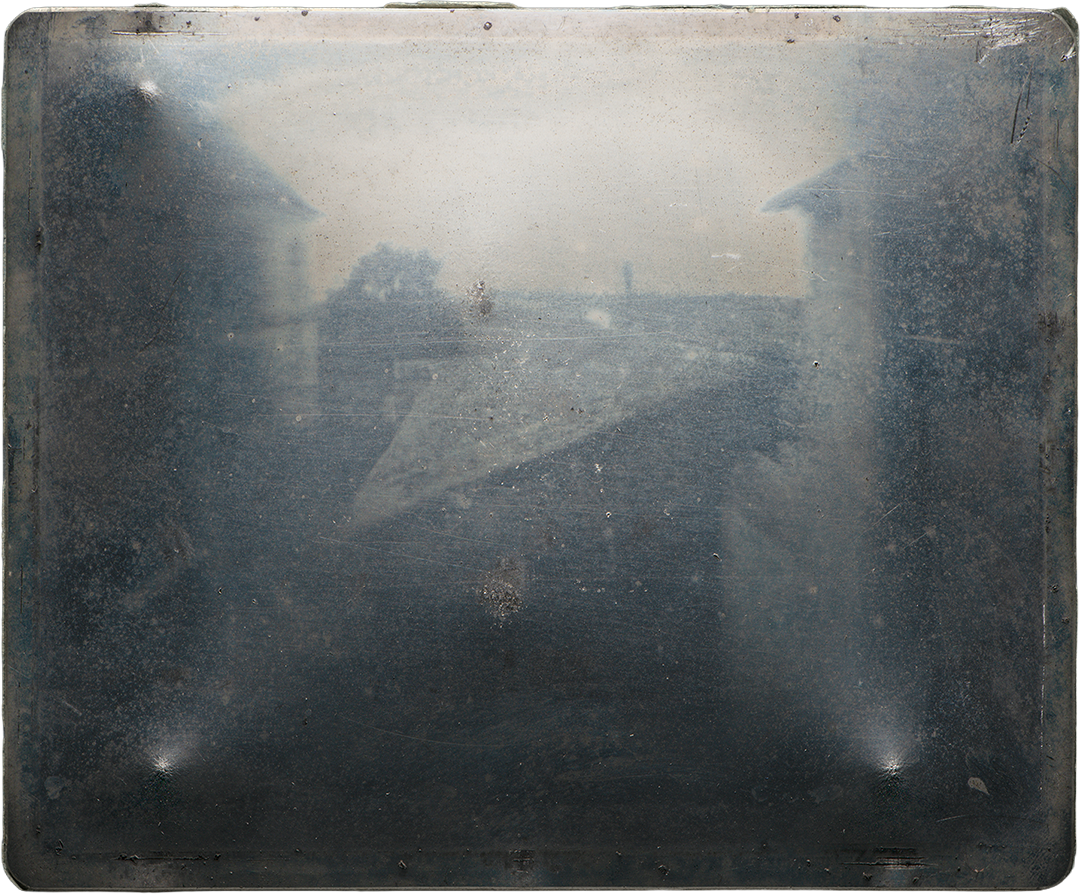
July 5, 1833 — The inventor of photography died broke. Joseph Nicéphore Niépce suffered a fatal stroke on this day, financially ruined and almost entirely unrecognized, his partnership with the younger, more flamboyant Louis Daguerre still years from the announcement that would make daguerreotype a household word and leave Niépce’s name in the footnotes. Yet it was Niépce who, around 1826–27, had made View from the Window at Le Gras (below)— the oldest surviving photograph, an exposure measured not in fractions of a second but in the better part of a day, captured on a pewter plate now held by the Harry Ransom Center in Austin, Texas. He died believing he had failed; he had, in fact, invented the medium this newsletter exists to cover.

THE INTERNATIONAL REVIEW OF PHOTOGRAPHY
To advertise an exhibition, book, fair, or open call to photography collectors, curators, and gallerists worldwide, email internationalphotographynews@gmail.com