

THE PHOTOGRAPH
“Milk Drop Coronet” — Harold Edgerton, 1957
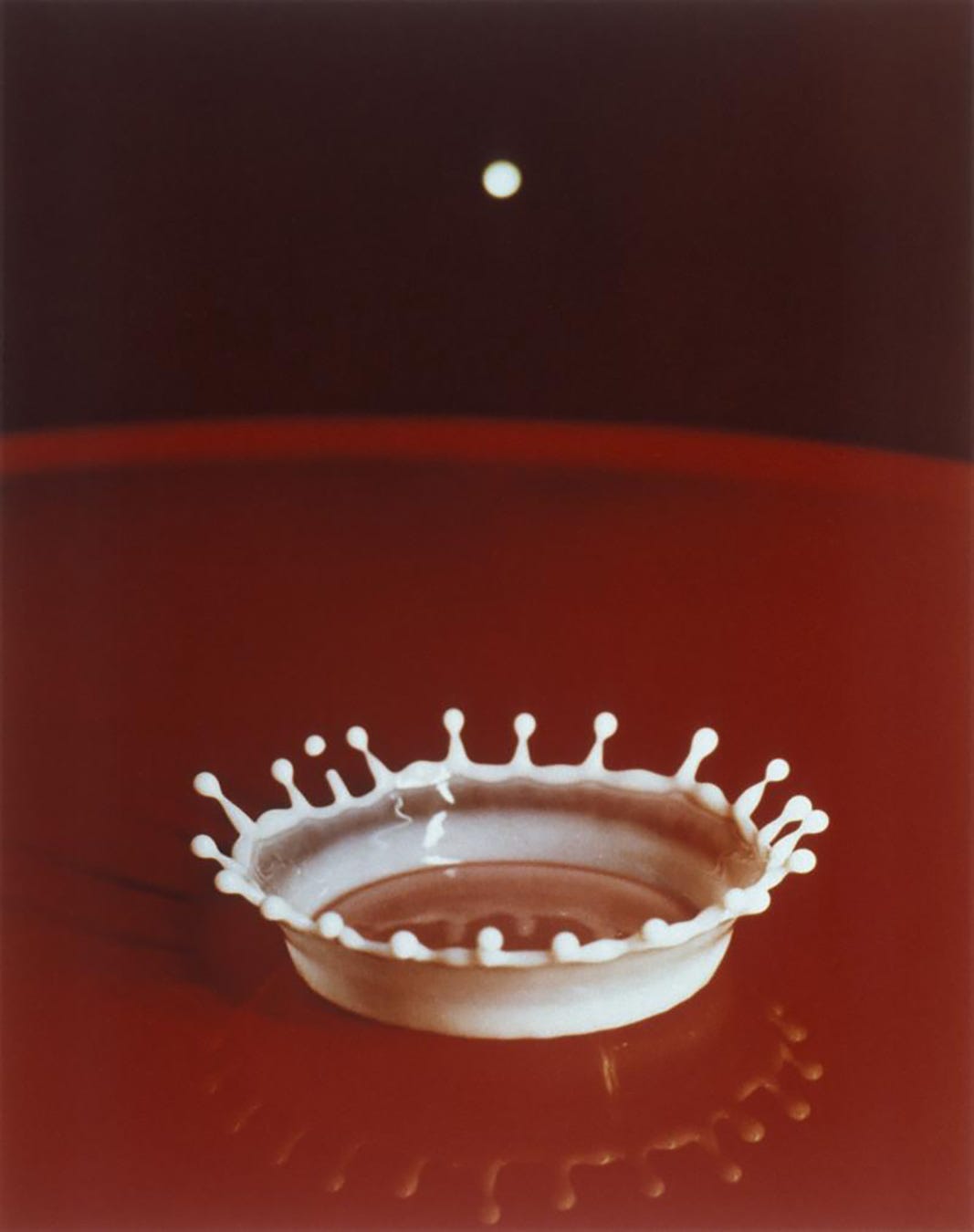
A single drop of milk falls onto a plate coated in a thin red film, and at the instant of impact the splash rises into a perfect crown — a ring of white pearls balanced on slender columns, symmetrical as jewelry. No one had ever seen it. The event lasts a fraction of a millisecond; the flash that caught it fired at around 1/50,000th of a second. The man behind the camera was not a photographer by trade but an electrical engineer at MIT, Harold “Doc” Edgerton, who had developed the stroboscope in the early 1930s to study the whirling rotors of electric motors — and then realized his instrument could show the world every fast thing it had been missing.
The crown did not come easily. Edgerton made his first milk-drop photographs in 1932 and kept returning to the setup for a quarter century — adjusting the height of the drop, the depth of the liquid, the timing of the flash — chasing a symmetry the physics only occasionally granted. An early black-and-white study was included in the Museum of Modern Art’s landmark first photography survey in 1937, and the definitive color version arrived in 1957, entering the canon as both a scientific record and a work of art. Edgerton himself resisted the second half of that formulation to the end, insisting he was an engineer after the facts, as the MIT Museum, which holds the work, recounts.
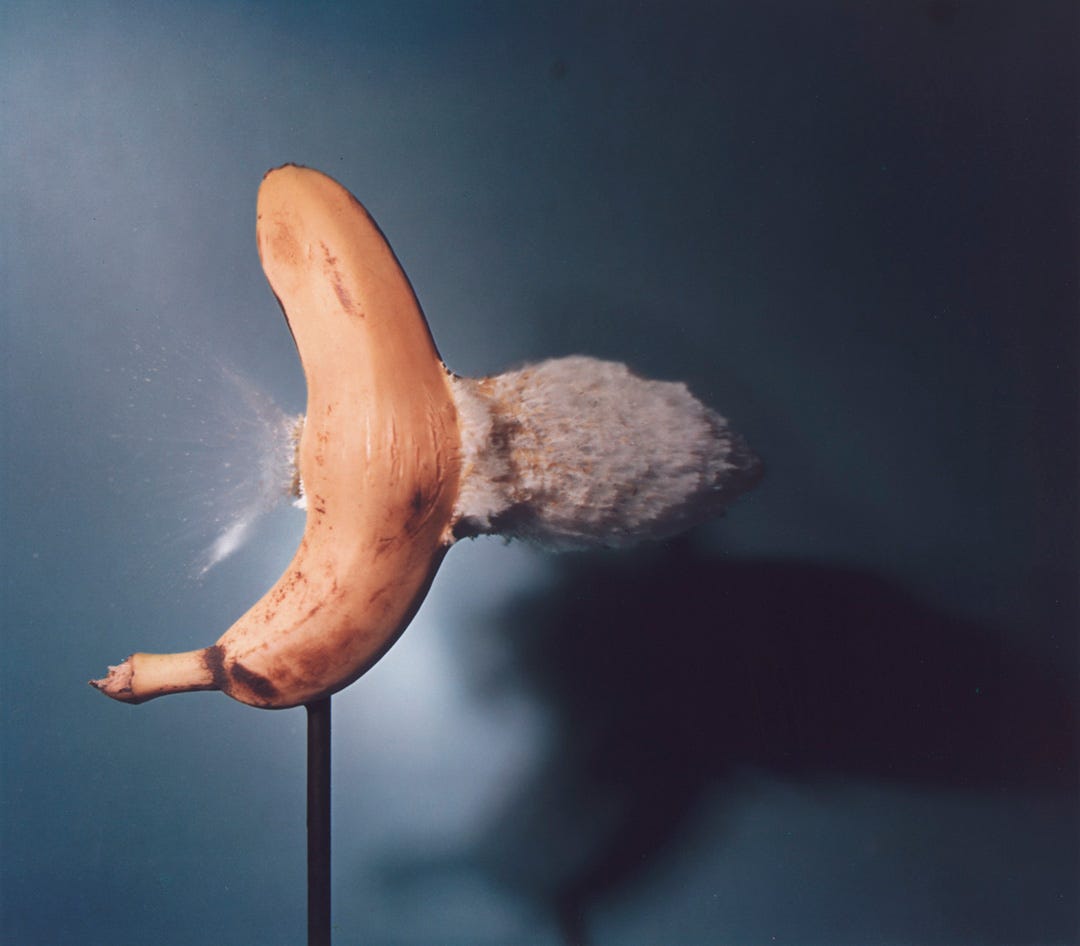
The facts, though, keep looking like art — and this week the tradition Edgerton fathered is literally on the walls. When Phoenix Art Museum opens Ecstatic Time: The Alchemy of Photography on Wednesday (see EXHIBITION HIGHLIGHTS), the Center for Creative Photography’s prints of Edgerton’s Splash of a Milk Drop and Bullet through Banana hang among a hundred works about photography’s power to reveal what perception cannot hold — the argument, as Smarthistory frames it, that the camera’s highest calling may be showing us the world we cannot see.
WHY IT MATTERS
Every phone that freezes a splash, every high-speed sequence in a nature documentary, every crash-test frame descends from Edgerton’s strobe. Milk Drop Coronet is the founding image of the claim that photography is an instrument of knowledge — that the medium’s job is not only to remember what we saw, but to see what we can’t. Seventy years on, no photograph makes that case more elegantly than a drop of milk wearing a crown.
EXHIBITION HIGHLIGHTS
Todd Hido: Many Small Decisions
Center for Photographic Art | Carmel, California
August 1 – September 13, 2026
Twenty-five years after House Hunting (Nazraeli Press, 2001) fixed the glowing suburban window as one of contemporary photography’s indelible images, the Center for Photographic Art opens a Todd Hido solo that pairs the night houses with recent collages and other new work. Hido’s pictures of tract homes lit from within — melancholy, wordless, strangely comforting — have entered more than 50 museum collections and seeped into Hollywood’s visual vocabulary, from Her to True Detective: Night Country. He speaks at Sunset Center’s Carpenter Hall on opening day, August 1, followed by a reception and House Hunting book signing at the gallery.
Ecstatic Time: The Alchemy of Photography
Phoenix Art Museum | Phoenix, Arizona
July 29, 2026 – January 3, 2027
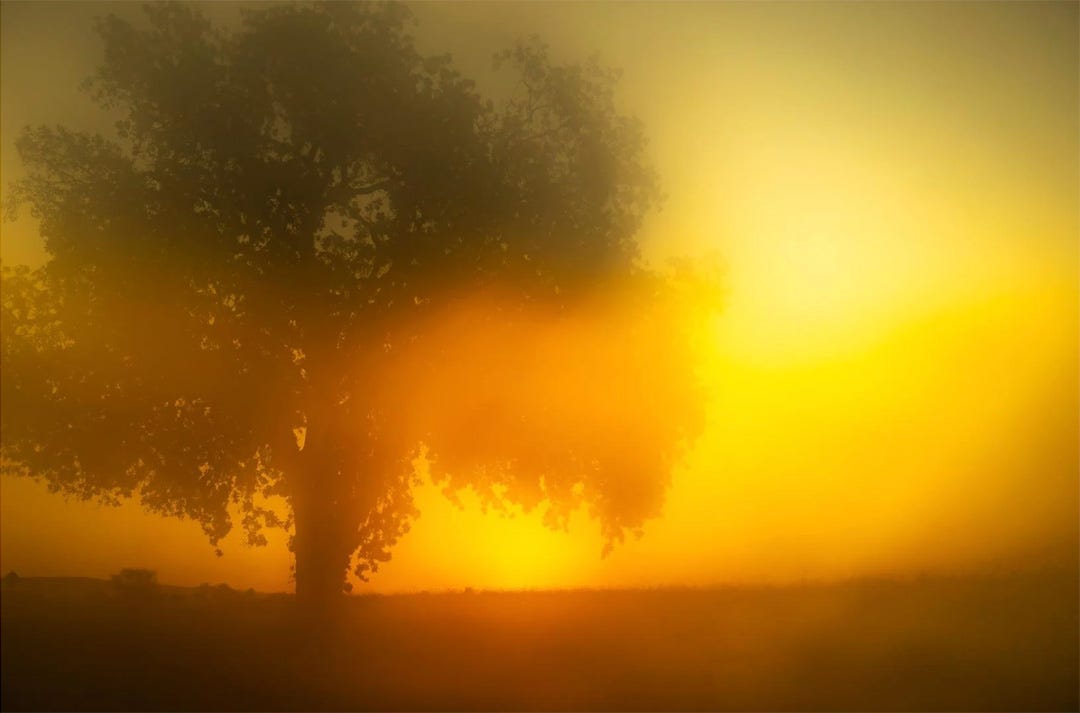
Opening Wednesday, Phoenix Art Museum’s survey draws nearly 100 objects from the University of Arizona’s Center for Creative Photography to mark the 20th anniversary of the Norton agreement between the two institutions. Spanning the medium’s history from the 1860s to the present, its four thematic sections take on photography’s strange relationship to time and vision — flash photography, time-lapse imagery, astronomical pictures, and contemporary conceptual work, with Edward Weston, Harold Edgerton, Kikuji Kawada, and Chris McCaw among the names on the walls. Curated by Emilia Mickevicius, the whole reads as a cabinet of curiosities about photography’s capacity for visual alchemy.
Jillian Edelstein: Among People
Stills Centre for Photography | Edinburgh, Scotland
July 31 – October 24, 2026
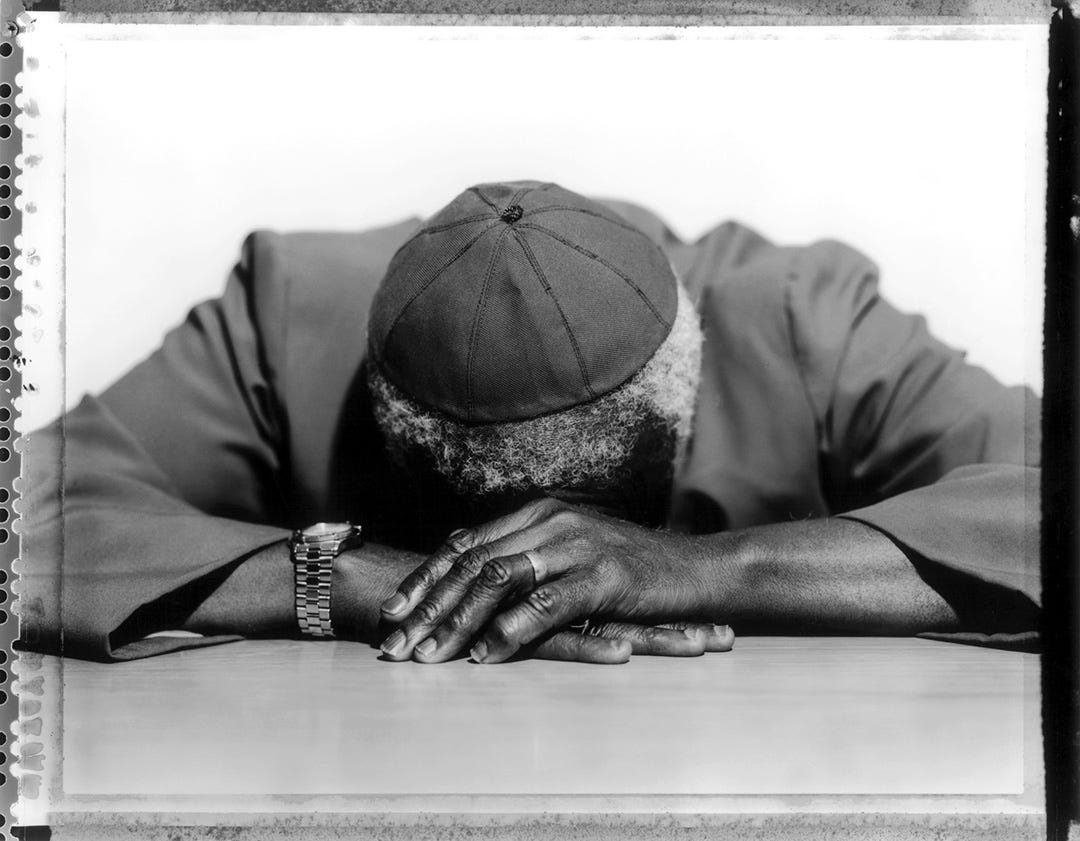
Stills opens the first major survey of the South African-born, London-based portraitist on Friday, spanning more than four decades of work — including the unflinching portraits she made at South Africa’s Truth and Reconciliation Commission between 1996 and 2001. Curated by Tracy Marshall-Grant, Among People makes the case for Edelstein as one of the most compelling photographic voices of her generation, equally attentive to defining historical moments and everyday lives. It runs through the Edinburgh Art Festival as one of the season’s anchor photography shows.
Floris Neusüss & Christiane Feser: Unique Works in Photography
Von Lintel Gallery | Santa Monica, California
July 25 – August 22, 2026
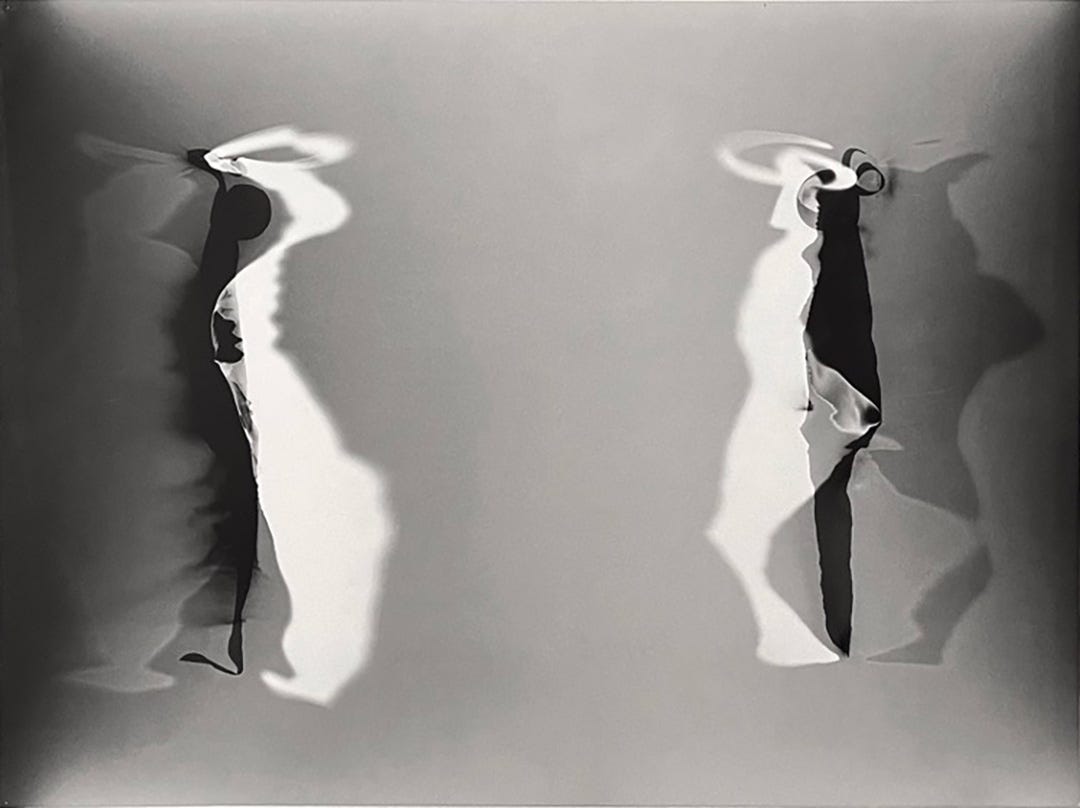
In a medium defined by the multiple, Von Lintel’s summer pairing is devoted to photographs that exist exactly once. The late Floris Neusüss spent his entire career on the photogram — cameraless, one-of-a-kind images made directly on light-sensitive paper — while Christiane Feser builds “photo-objects,” three-dimensional photographic sculptures that behave like optical experiments. Bringing together Neusüss’s pioneering photograms and Feser’s intricate constructions, the exhibition foregrounds singular works that press against the limits of what a photograph is.
Street Scenes — Í Fókus 2026
Reykjavík Museum of Photography | Reykjavík, Iceland
July 23 – September 12, 2026
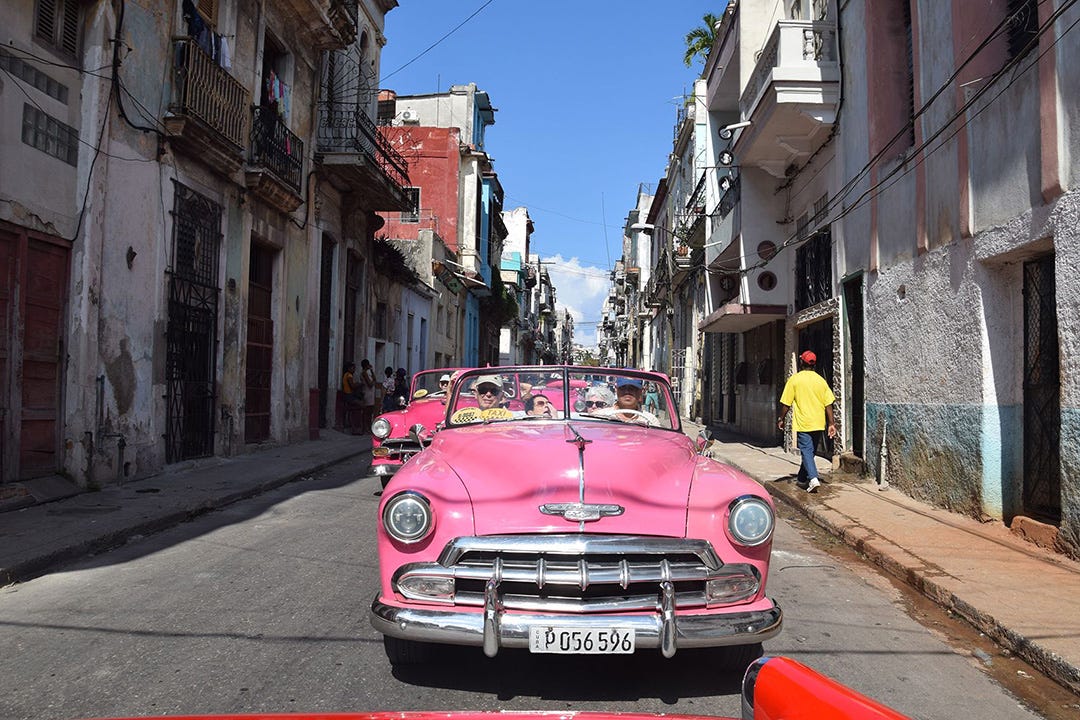
Iceland’s principal photography institution has given over its SKOTIÐ project space this year to FÓKUS, the Reykjavík amateur photographers’ association founded in 1999, for a seven-exhibition survey of its members’ work — and the fifth installment, opened Thursday, belongs to the street. Six photographers take on the genre’s founding faith in the chance encounter, under an epigraph from Henri Cartier-Bresson on the creative fraction of a second. It is a modest, likable reminder that the club tradition photography grew up in is still producing pictures.
WHAT’S ON AROUND THE WORLD
Openings, closings, and the shows worth a trip.
Opening This Week
Santa Fe
Ruth Thorne-Thomsen — Daniel Cooney Fine Art · Opens Jul 31 (vintage pinhole photographs by the late master of the constructed landscape)
Closing Soon
Antwerp
Miho Kajioka: so it went, goes, and will go… — IBASHO · Closes Aug 2
Christopher Thomas: Bittersweet — IN-DEPENDANCE by IBASHO · Closes Aug 2
New Orleans
Wendi Schneider: Held Light — A Gallery for Fine Photography · Closes Aug 1
Paris
Lee Miller — Musée d’Art Moderne de Paris · Closes Aug 2 (final week of the largest Miller retrospective ever staged in France)
Rome
Francesca Woodman: Lately I Find a Sliver of Mirror Is Simply to Slice an Eyelid — Gagosian · Closes Jul 31
Toronto
Larry Fink: Social Graces & Runway — The Image Centre · Closes Aug 1
Scotiabank Photography Award: Dawit L. Petros — The Image Centre · Closes Aug 1
Vancouver
Burtynsky: Human/Nature — Paul Kyle Gallery · Closes Aug 1 (his first major Vancouver show in over a decade)
Venice
Dayanita Singh: ARCHIVIO — Archivio di Stato · Closes Jul 31
Ongoing
A rotating selection of shows worth the trip, beyond the openings and closings above.
Amsterdam
World Press Photo Exhibition 2026 — De Nieuwe Kerk · Through Sep 27
Antwerp
.tiff 2026 — FOMU · Through Aug 23 (ten emerging Belgian photographers; final month)
London
Japanese Women Photographers: From 1950s to Now — The Photographers’ Gallery · Through Sep 27
Madrid
Richard Avedon: In the American West, 1979–1984 — Fundación MAPFRE · Through Aug 30 (final month)
New York
Hujar:Contact — The Morgan Library & Museum · Through Oct 25
San Diego
Cecil Beaton’s Fashionable World — Museum of Photographic Arts at The San Diego Museum of Art · Through Jan 10, 2027
Tokyo
Idemitsu Mako: What a Woman Made — Tokyo Photographic Art Museum · Through Sep 21 (full retrospective of the pioneering video artist)
FESTIVAL WATCH
42nd Higashikawa International Photography Festival — Higashikawa, Hokkaido · August 1–31 (opens Saturday in Japan’s “Town of Photography”; Artists Forum August 2, and home of the Higashikawa Awards)
Fotosommer Stuttgart 2026 — Stuttgart, citywide · Through Sep 13 (the flagship UNORDNUNG exhibition continues at THE GÄLLERY, Staatsgalerie Stuttgart)
Les Rencontres d’Arles 2026 — “Worlds in View” — Arles · Through Oct 4 (week four of the European photography summer’s anchor)
Cortona On The Move 2026 — Cortona · Through Nov 1 (Italy’s major documentary-photography festival)
Visa pour l’Image 2026 — Perpignan · Aug 29 – Sep 13 (on the horizon: the 38th edition of photojournalism’s flagship gathering)
OFF THE PRESS


Writing a Letter: Akerman Ballet, Act 1 by Collier Schorr
For years, Collier Schorr has been adapting Chantal Akerman’s 1974 film Je tu il elle into a ballet made for video — casting herself among the dancers because, she says, Akerman played herself “because she knew no actress could be as awkward as she was. I feel the same.” This volume gathers a large collection of film stills from the ballet’s first act, with an introduction by the performance scholar Peggy Phelan, tracing the film’s themes of transparency, sexuality, shame, and love into movement. Published as a document of one artist in sustained conversation with another, it doubles as an argument for how queer histories are cared for — through adoration, adaptation, and repetition; The Song Cave is reissuing Akerman’s memoir My Mother Laughs alongside it.
If Emmett Till Lived: A Creative Monument, edited by Sarah Lewis
Curated by the writer and scholar Sarah Lewis from the permanent collection of the Museum of Contemporary Photography at Columbia College Chicago, this book assembles nearly 200 photographs into a fictionalized account of the life Emmett Till might have lived had he come home from Mississippi in 1955, rather than being murdered at fourteen. Dawoud Bey, Bruce Davidson, Danny Lyon, Sally Mann, Gordon Parks, and Carrie Mae Weems are among the dozens of photographers whose images stand in for the childhood moments and adult milestones Till never reached. With texts by Lonnie G. Bunch III, Sherrilyn Ifill, and Vinson Cunningham, and contributions from Ava DuVernay, Amy Sherald, and Deborah Willis among others, it is both a reckoning with racialized violence across generations and one of the season’s most discussion-generating photobooks.
Marilyn. A Magical Dance by Douglas Kirkland
On the evening of November 17, 1961, a 27-year-old Douglas Kirkland photographed Marilyn Monroe wrapped in the sheets of an unmade bed — a session that produced some of the most spontaneous portraits ever made of her. In the year Monroe would have turned 100, Damiani revisits the sitting as a leporello: an accordion-fold sequence that unspools without interruption, accompanied by Kirkland’s handwritten recollections, edited by Françoise Kirkland from the late photographer’s archive. Kirkland, who died in 2022 after six decades at the top of film and celebrity portraiture, described every session as a dance; this small, seductive object takes him at his word.
ON THIS DAY
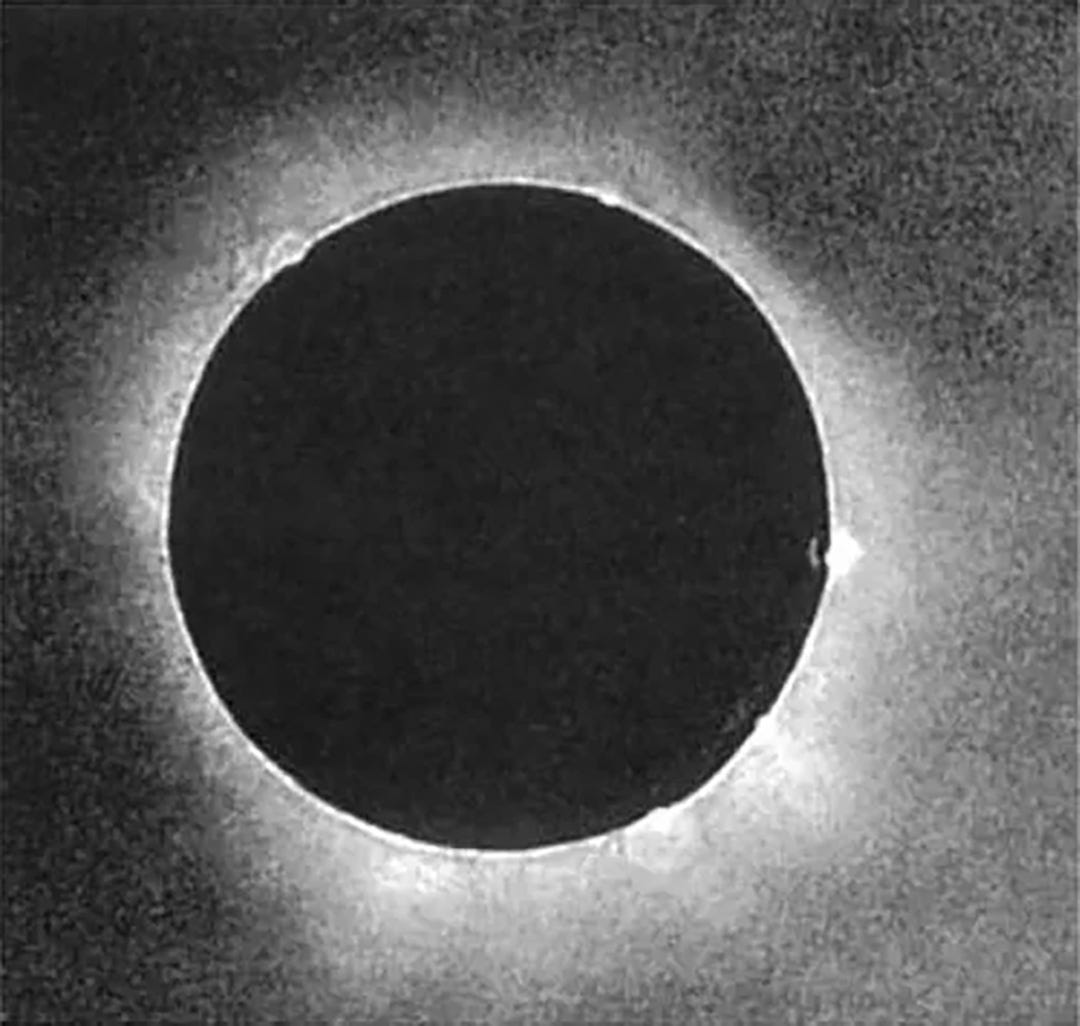
July 28, 1851 — At the Royal Observatory in Königsberg, Prussia, a local daguerreotypist named Johann Julius Friedrich Berkowski aimed a small refracting telescope at the darkened sun and held an exposure for 84 seconds during totality. The plate he developed was the first correctly exposed photograph of a total solar eclipse — and the first to record the solar corona, the ghostly atmosphere that only reveals itself when the moon blots out the disk. Earlier attempts had failed because the corona’s faint light defeated the era’s chemistry; Berkowski’s success, made 175 years ago on Tuesday of this week, gave astronomers their first objective record of a phenomenon that had until then lived only in drawings and eyewitness memory. It was also an early, decisive demonstration of the argument that runs through this whole issue: barely twelve years into photography’s existence, the medium was already seeing things the human eye could not, as Astronomy.com recounts.

THE INTERNATIONAL REVIEW OF PHOTOGRAPHY
To advertise an exhibition, book, fair, or open call to photography collectors, curators, and gallerists worldwide, email internationalphotographynews@gmail.com
Great works