

THE PHOTOGRAPH
“Flat Iron 9/11, NYC” — Stephen Wilkes, 2010
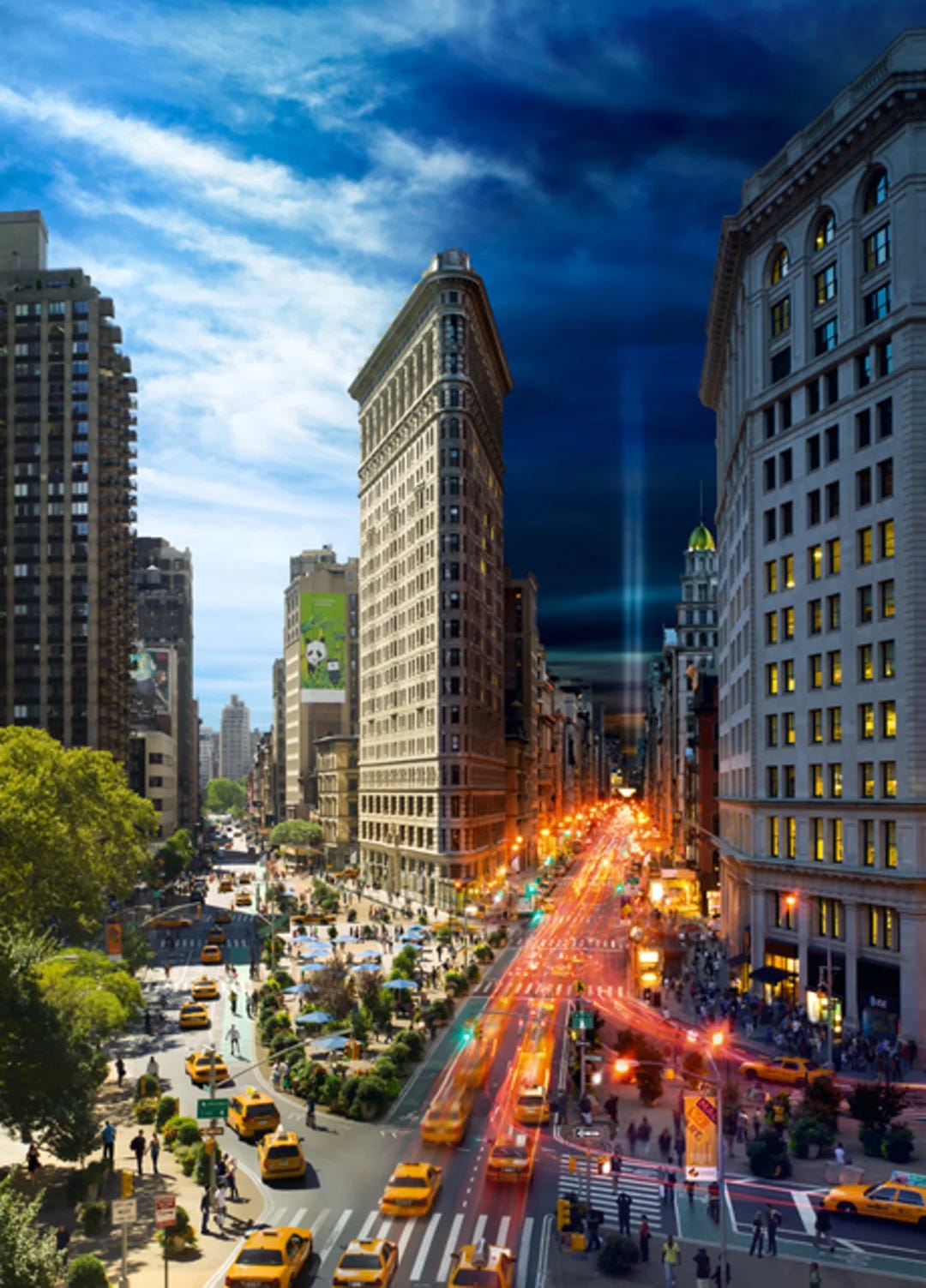
The Flatiron Building splits the picture down its prow, and the two halves of the city it divides are not in the same hour. On one side of that triangular edge Fifth Avenue is in daylight, full of the traffic and pedestrians of a clear September afternoon. On the other it is dark, the windows lit, the street lamps on. The building does the work of a hinge, which is exactly why Wilkes chose it — he has said he loves the compositional divide it creates — and the seam that would give the whole thing away in any other photograph is here hidden in plain sight, running straight up 22 stories of 1902 limestone and terracotta.
Nothing about this image is a moment. Day to Night, the project Wilkes began in 2009 and has been extending ever since, works by fixing a camera on a single vantage point and staying there for up to 36 hours, exposing more than 1,500 frames across a full cycle of light, then compositing them so that dawn, midday, dusk, and night occupy one frame at once. Wilkes calls each finished picture a symphony, built slowly out of countless individual moments, and the description is not modesty — the assembly takes months. By any nineteenth-century standard the result is a fabrication. By any honest account of how it was made, it is a document: every element in it was in front of that lens, in that place, on that day.
The day mattered. Wilkes made this one on September 11, 2010, the ninth anniversary, boomed out in a 170-foot lift floating over Fifth Avenue. The sky was cloudless — he has described it as reminiscent of the sky over the city in 2001, which is the detail that turns a technical exercise into something else. And then the picture got away from him. He had not known that the Tribute in Light would be switched on that evening, and when the twin columns rose over lower Manhattan they entered the frame he had spent the day building. He has said he was stunned by it.
Here is a photograph assembled over a day and a half from fifteen hundred deliberate exposures, planned to the hour, engineered from a boom lift — and the single most meaningful thing in it is the one element its author neither arranged nor anticipated. The picture leads America at 250: Through the Lens of Stephen Wilkes, at Gilman Contemporary in Ketchum, Idaho, through August 31 (see below).
WHY IT MATTERS
Photography has argued about construction since Roger Fenton moved — or did not move — a scatter of cannonballs on a Crimean road in 1855. Wilkes has taken the argument somewhere more useful by refusing to hide the seam: nobody looks at a Day to Night and mistakes it for an instant, and the honesty of the method is what licenses the artifice. That distinction is about to matter enormously. As generated images arrive that were never in front of any lens, the useful question stops being whether a photograph was assembled and becomes whether the things inside it were ever there. On a clear morning in 2010, all of this was.
EXHIBITION HIGHLIGHTS
Water & Light
Fotografiska Stockholm at Vattentorget beside the Golden Bridge, Slussen
August 10 – September 30, 2026
The issue opens the same morning this exhibition does: an outdoor installation of around twenty photographs going up in a public square in Slussen, timed to the Stockholm Culture Festival. Four Stockholm-based photographers — Elis Lindsten, Joakim Möller, Sara Herrlander, and Sofia Aedo Zahou — show work in which photography, light, and water are set against the character of the site itself, a stretch of waterfront the city has spent years rebuilding. It runs under Fotografiska Emerging Artists, the museum’s platform for early-career photographers, and stays up through the late summer and autumn rather than coming down with the festival. “Water & Light makes photographic art accessible in the public space, offering Stockholmers and visitors an art experience that becomes a natural part of city life,” says exhibition producer Mohamed Mire.
Carola Lampe: Tell Me What To See
Fotografiska Berlin
August 14 – October 20, 2026
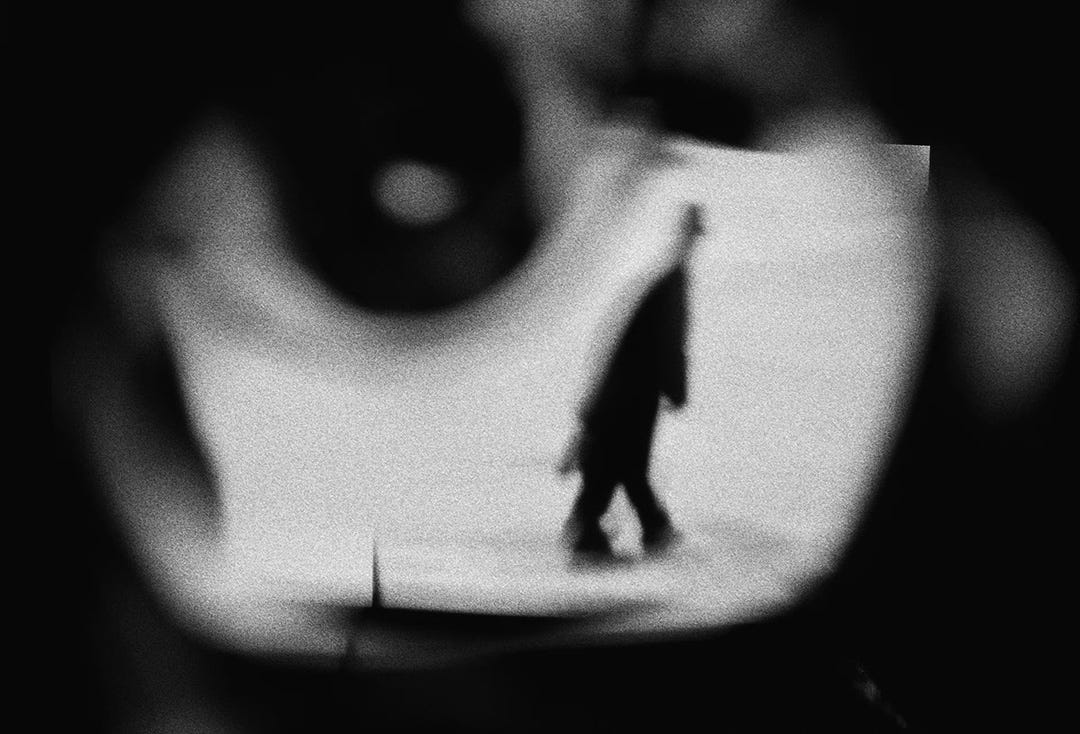
Lampe is a software developer as well as a photographer, and the show turns on that double training: she used a camera — a traditional, almost analog instrument, as she puts it — to make images that look machine-made. The work arrives in three layers. She shot classic street photography; she then staged scenes in the studio designed to leave you unsure whether you are looking at a photograph or a render; and she generated a third set outright, using AI tools, 3D screenshots, and Photoshop. Some of it declares itself on close inspection and some of it does not, which is the point. “You’re standing in front of something, simply not knowing what you’re looking at,” Lampe says. Curated by Marie-Luise Mayer for the Emerging Berlin talent program, which gives selected artists a solo show in the museum’s graffiti hall.
It’s Yours, It’s Mine: Seven Relational Portraits —
Mafalda Rakoš
FOTOHOF | Salzburg
August 7 – September 24, 2026
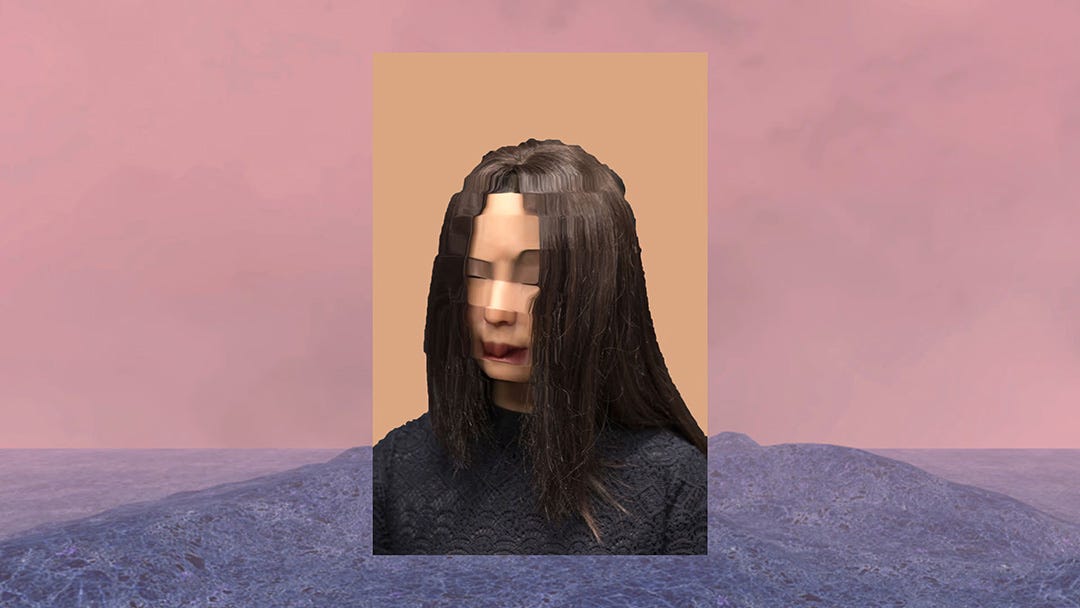
Rakoš builds her projects over years, and the survey FOTOHOF has assembled makes the method visible: portraiture used less as a way of depicting people than as a reason to stay in a room with them. Her subjects — women and non-binary collaborators, among them friends, strangers, and the artist’s own sisters — are credited as co-authors rather than sitters, and the resulting work folds in documentary practice, art therapy, performance, and anthropological fieldwork. The gallery frames the whole thing through Ariella Azoulay’s The Civil Contract of Photography, in which a photograph is not a finished object but a set of obligations among photographer, subject, and viewer. Against the extractive habit of treating people as content, FOTOHOF argues, Rakoš offers time, and the pictures are what time leaves behind. Organized with the Salzburg International Summer Academy of Fine Arts.

Generation Volta — Sanlé Sory
Sakana Gallery | Donostia-San Sebastián
August 1 – October 1, 2026
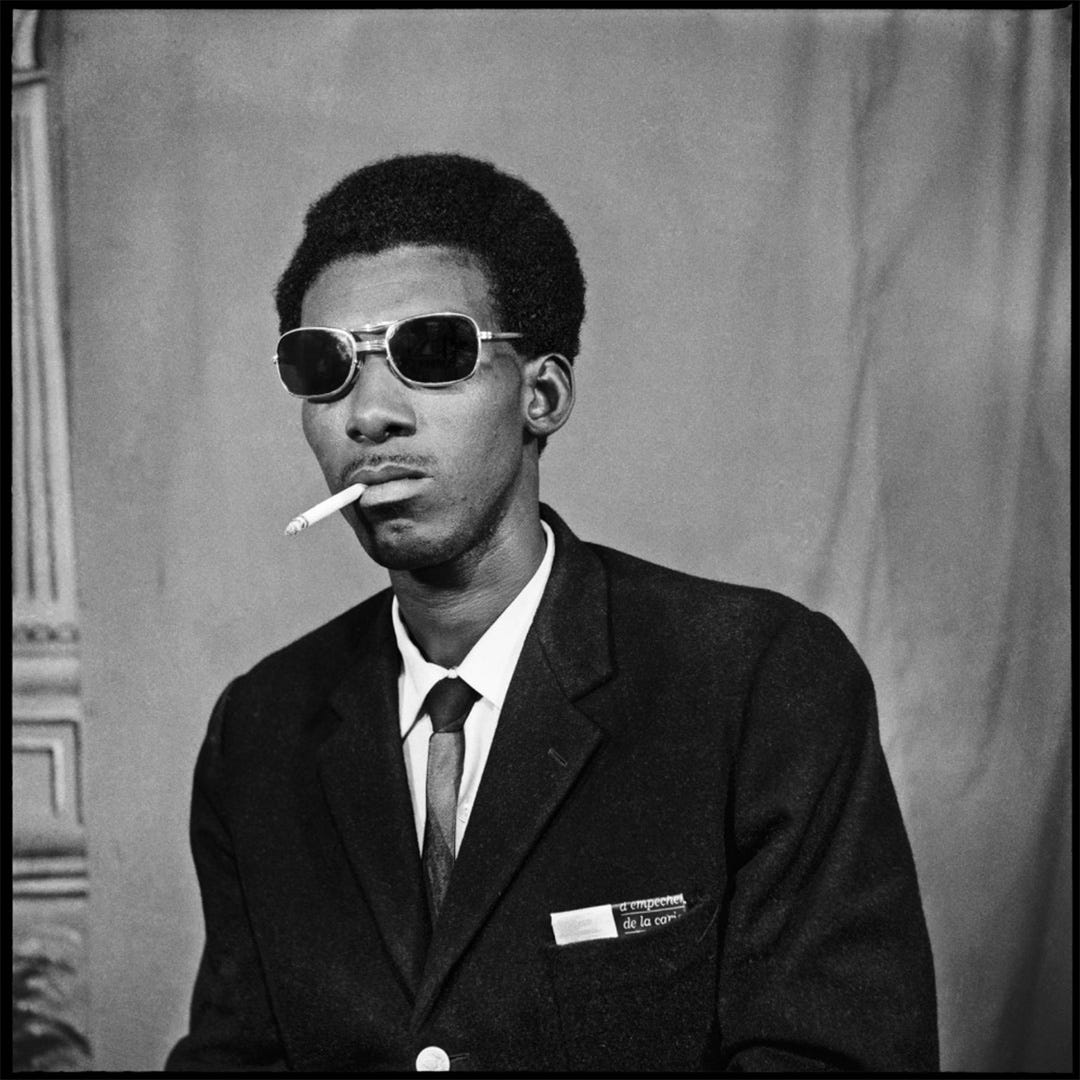
Sanlé Sory opened Volta Photo in Bobo-Dioulasso in 1960, the year Upper Volta became independent, and for more than two decades he photographed the city on a Rolleiflex 6×6 against painted backdrops, with a trunk of props his sitters made their own: sunglasses, a transistor radio, a telephone, an Air Afrique flight bag, a moped. At night he followed the orchestras, shot sleeves for the city’s 45s, and staged his own bals poussière in the surrounding villages. The gallery is firm about how to read the results — not ethnographic documents but negotiated performances, in which each sitter decides how they want to be seen — and the point lands harder knowing the work was not shown publicly until 1998 and was only widely rediscovered in the 2010s. Now held by MoMA, the Art Institute of Chicago, the V&A, and LACMA; this is his first solo exhibition in the Basque Country.
America at 250: Through the Lens of Stephen Wilkes
Gilman Contemporary | Ketchum, Idaho
July 31 – August 31, 2026
The show that Flat Iron 9/11 leads sets three bodies of work against each other, and the two beyond Day to Night are the reason to make the trip. The Tapestries invert everything the composites stand for — Wilkes calls them the jazz to that symphony — and they are made in four to eight seconds flat, as in-camera multiple exposures with no post-production at all, then realized here as commissioned woven textiles, so a photographic image ends up as literal thread. The third group goes back to his earlier work inside the abandoned Bethlehem Steel plant in Pennsylvania, once a titan of American industry and now silent, and it supplies the ballast the anniversary framing needs. Where the first two find the country in its rhythms and textures, Gilman Contemporary writes, the steel pictures find it in its bones — grandeur and grief, ambition and aftermath, at 250.
WHAT’S ON AROUND THE WORLD
Openings, closings, and the shows worth a trip.
Opening This Week
Adelaide
Turrangka…in the shadows — James Tylor — Art Gallery of South Australia · Opened Jul 31, through Nov 1 (Becquerel daguerreotypes, hand-tinted digital work, and Kaurna cultural objects)
Albury, NSW
National Photography Prize 2026 — Murray Art Museum Albury · Opened Aug 8, through Nov 22 (12 finalists)
Hamburg
Nachblüte — Walter Schels — VISULEX Gallery for Photography · Through Aug 22 (expired film and aged chemistry; part of the 9th Triennale of Photography Hamburg)
Helsinki
Leavetaking — Christian Langenskiöld — Photographic Gallery Hippolyte · Opened Aug 7, through Sep 6 (seven works, five of them diaviewers built for large-format transparencies)
Portland, Maine
Wonderlands — Eve Biddle — Portland Museum of Art · Opened Jul 31, through Jan 24, 2027 (screenprints translated from photographic images)
Portland, Oregon
Against the Grain — Mark Maio — Blue Sky Gallery · Opened Aug 6, through Aug 29 (artist talk and book signing Aug 29)
Winchester, Massachusetts
Rotan Switch — Lisa McCord — Griffin Museum of Photography · Opened Jul 31, through Sep 6 (Exhibition Prize, 31st Juried Members Exhibition)
Closing Soon
Amsterdam
Martin Parr: Very Modern and Rather Ugly — Foam · Closes Aug 12 (posthumous; Parr 1952–2025)
Brussels
Picture Perfect: Beauty through a Contemporary Lens — Bozar · Closes Aug 16 (65 artists)
Eschborn
Human Topographies — Deutsche Börse Photography Foundation · Closes Aug 16
Hannover
Toby Binder: Wee Muckers — Jugend in Belfast — GAF Galerie für Fotografie · Closes Aug 16
New York
Alex Prager: Matinee — Lehmann Maupin · Closes Aug 14
San Diego
Chanell Stone: Undulation of a Rupture — San Diego Museum of Art · Closes Aug 16
Sydney
Julie Rrap: Un-Becoming Monuments — Roslyn Oxley9 · Closes Aug 15 (a 12-part photographic series shown alongside bronze and video)
Tokyo
Michio Hoshino: NANOOK — Tales of Polar Bears and Ice Floes — FUJIFILM SQUARE · Closes Aug 13
Taipei No Goodbye — Lin Hsuan-Lang — Photographers’ Gallery, Shinjuku · Closes Aug 16 (157 rolls shot in Taipei in 2015; part of “PHOTO ONE”)
Linder: Goddess of the Mind — CHANEL NEXUS HALL, Ginza · Closes Aug 16 (free)
Toronto
Sara Cwynar: Baby Blue Benzo Beta — MOCA Toronto · Closes Aug 16
Vienna
Barbara Pflaum: Showcases of Everyday Life — MAK · Closes Aug 16
Richard Prince — the Albertina · Closes Aug 16 (around 150 works, weighted toward the photographic work)
West Palm Beach
60 Seconds: Polaroids from the Collection — Norton Museum of Art · Closes Aug 16
Ongoing
A rotating selection of shows worth the trip, beyond the openings and closings above.
Edinburgh
Catherine Opie: To Be Seen — Royal Scottish Academy, National Galleries of Scotland · Through Nov 1
London
Japanese Women Photographers: From 1950s to Now — The Photographers’ Gallery · Through Sep 27 (27 artists, a full building takeover)
The Royal Photographic Society’s International Photography Exhibition 167 — Saatchi Gallery · Through Sep 11 (free)
Santa Monica
Floris Neusüss & Christiane Feser: Unique Works in Photography — Von Lintel Gallery · Through Aug 22
Holly Roberts: Witness — Craig Krull Gallery · Through Aug 29 (paint applied directly onto photographic prints)
Tucson
Animality: 100 Years of Photographs — Center for Creative Photography · Through Dec 12
FESTIVAL WATCH
PhEST 2026 — International Festival of Photography and Art, 11th edition — Monopoli, Puglia · Aug 7 – Nov 1 (theme “What if?”; Vivian Maier, Roger Ballen, Joan Fontcuberta, Juno Calypso, Marek Kita, Chloé Azzopardi)
Gibellina Photoroad, VI edition — Gibellina, Sicily · Through Sep 6 (tenth-anniversary edition of the open-air festival, inside Gibellina’s year as Italian Capital of Contemporary Art; Erik Kessels, Teresa Giannico, Alice Grassi, Jacopo Di Cera, Stefano Cerio)
PHotoESPAÑA 2026, 29th edition — Madrid · Through Sep 13
Visa pour l’Image 2026, 38th edition — Perpignan · Aug 29 – Sep 13 (27 free exhibitions and six Campo Santo evening screenings; Pro Week Aug 31 – Sep 5)
Ragusa Foto Festival 14 — Ragusa, Sicily · Aug 27 – Sep 27 (theme “Archetipi mediterranei”; Massimo Vitali, Evangelia Kranioti, Zied Ben Romdhane, Mous Lamrabat, Anna Di Prospero, Alessio Mamo; opening days Aug 27–30)
Kranj Foto Fest 2026 — Kranj, Slovenia · Aug 27 – Sep 27 (Marisol Mendez, Federico Estol, Maria Sturm, Ian Cheibub, Chiara Ernandes, plus a PhMuseum Grant screening)
Landskrona Foto Festival 2026, 10th edition — Landskrona, Sweden · Sep 4–20 (ten large-scale outdoor exhibitions)
OFF THE PRESS


Grand Hotel Parr by Martin Parr
RM Verlag, with The PhotoBookMuseum, Cologne
Parr made more than two hundred books across five decades, and no photographer of his era was bound up with the form more completely — as maker, publisher, writer, editor, and one of the most consequential collectors the medium has produced. This is the first attempt at a photobook retrospective on him, assembled by The PhotoBookMuseum around its Parr collection and published in the year after his death. It carries an illustrated catalogue of every publication in that collection, essays by Frederic Lezmi, Christoph Schaden, Markus Schaden, and Thomas Weski, photographic essays by Nikita Teryoshin, and an interview between Aaron Schuman and Parr himself. It arrives in the same week that Foam closes its own posthumous Parr show in Amsterdam, per RM.
SHOOT by Paul Mpagi Sepuya
Between 2005 and 2008 Sepuya photocopied a zine called SHOOT at job shops and copy centers around New York, seven issues in all, each one an experiment in stretching a portrait past the single frame using contact sheets, outtakes, and text. The sitters were his friends, muses, and collaborators; one issue is given over to his own self-portrait. Original copies are now scarce and sought-after, and this is the first time all seven have been collected. The interest is not only archival — the mechanics that define his later Dark Room pictures are already here, the apparatus of photography visible inside the photograph, along with the questions about authorship, collaboration, and the singularity of the portrait that his work has pressed on ever since.
Lake Verea: Modern Barragán
Lake Verea is Francisca Rivero-Lake Cortina and Carla Verea Hernández, who have worked as a single authorial unit since the 2000s, and this book gathers two decades of their encounters with Luis Barragán’s architecture. The approach is closer to trespass than survey. Inside the architect’s own house they measured their bodies against his, sat in his chairs, opened his closets, and photographed the rooms in daylight, by full moon, under streetlight, in thunderstorms, and with flash — at one point rubbing the walls and floors with aluminum sheets to raise the textures and pull out the building’s history by hand. Texts by Daniel Garza Usabiaga and Mimi Zeiger, designed by Rutger Fuchs.
OPEN CALLS
LensCulture Photobook Prize 2026 — LensCulture with Nazraeli Press · Deadline August 12 · $60 · The inaugural edition. Worldwide, 18+, an unpublished body of 20–30 images, no dummy required. The winner receives a fully funded Nazraeli publication valued at more than $25,000 — a 500-copy run with worldwide distribution and 50 artist copies — plus an exhibition at SHOWLA in Los Angeles; five shortlisted photographers get $500 and consulting.
Preus Museum Open Call 2026: “Passion” — Preus Museum, Norway’s national museum of photography, with Oslo Negativ · Deadline August 15 · €10, waived for students and Norwegian photographers · Open to anyone, professional or amateur, single images or series. NOK 20,000, acquisition into the permanent collection, full production at Oslo Negativ 2026, and travel support.
Decay, Corrosion, Rust — New York Center for Photographic Arts · Deadline August 16 · Any photographic process; $4,000 in cash awards across a $1,100 grand prize and nine placed prizes, plus 20 juror selections and 20 honorable mentions. Juried by Darren Ching of Klompching Gallery.
Marco Pesaresi Award 2026 — Comune di Savignano sul Rubicone / SI FEST · Deadline August 17, 23:59 CET · Free · The 25th edition. Any age, any nationality, for unpublished documentary or reportage projects. €5,000 to produce the work, announced at SI FEST 35 and exhibited at SI FEST 2027.
The Ian Parry Photojournalism Grant 2026 — sponsored by Canon · Deadline August 31, 23:59 BST · Free · Photographers 24 or under, or enrolled full-time in a photography course; a 12-image portfolio and a proposal. £10,000, a one-year Canon equipment loan, mentorship and an assignment with Giles Duley, and publication by The Guardian.
VMFA Aaron Siskind Award for Photography 2026 — Virginia Museum of Fine Arts · Deadline September 1, 11:59 p.m. EST · Free · US citizens and permanent residents 18+ for whom photography is a primary vocation. Two unrestricted awards of $25,000 each.
Fall 2026 New York City Fellowship — Magnum Foundation · Deadline September 1, 11:59 p.m. ET · Free · NYC-based early-career photographers and photojournalists, for a production grant, mentorship, and arts administration experience.
Open Call for Solo Artists 2027: “Free Hands” — Copenhagen Photo Festival · Deadline September 1 · International; a minimum of 10 images and a 3,000-character concept in English or Danish. Three to five solo exhibitions across Copenhagen and southern Sweden, with a €537 artist fee, €400 travel, €134 per diem, and full production.
ON THIS DAY
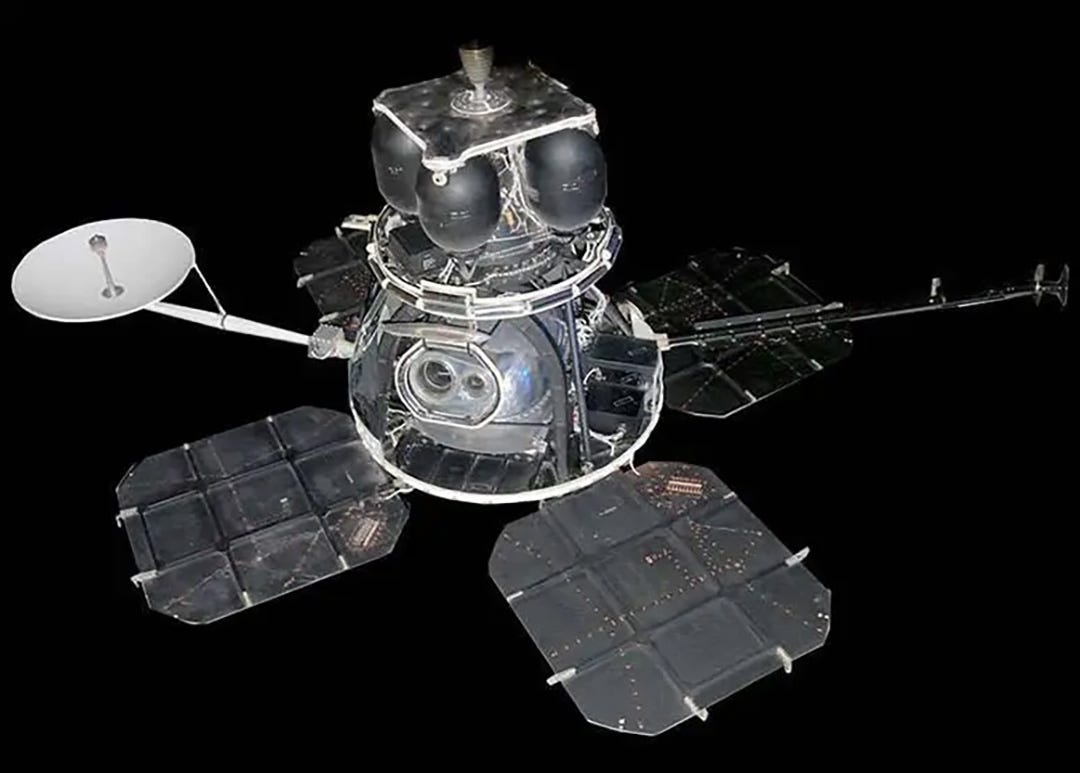
August 10, 1966 — At 19:26 UT, an Atlas Agena D lifted off from Launch Complex 13 at Cape Canaveral carrying Lunar Orbiter 1, and with it one of the strangest cameras ever built. The 150-pound Eastman Kodak imaging system aboard did what no camera on Earth had to: it exposed film through wide and narrow-angle lenses, developed that film onboard, scanned the dried negatives with a photoelectric line scanner, and radioed the result back across a quarter of a million miles. Its origin stayed classified until after the Cold War — the system had been developed by the National Reconnaissance Office for the Samos E-1 spy satellite, and was pointed at the Moon only after it had finished being pointed at the Soviet Union. Four days later the spacecraft entered lunar orbit, the first American craft to do so, and by August 28 it had exposed 205 frames of nine candidate Apollo landing sites and eleven sites on the far side. The frame everyone remembers was not on the shot list. On August 23, 1966, it returned the first photograph of Earth taken from the vicinity of the Moon — a grainy crescent above a cratered horizon, made by a reconnaissance camera improvising. The orbiter was deliberately crashed into the lunar surface on its 577th orbit that October so its transmissions would not interfere with its successors. Today is the sixtieth anniversary, and NASA still keeps the mission log.

THE INTERNATIONAL REVIEW OF PHOTOGRAPHY
To advertise an exhibition, book, fair, or open call to photography collectors, curators, and gallerists worldwide, email internationalphotographynews@gmail.com