

THE PHOTOGRAPH
“Central Park Zoo, New York” — Garry Winogrand, 1967
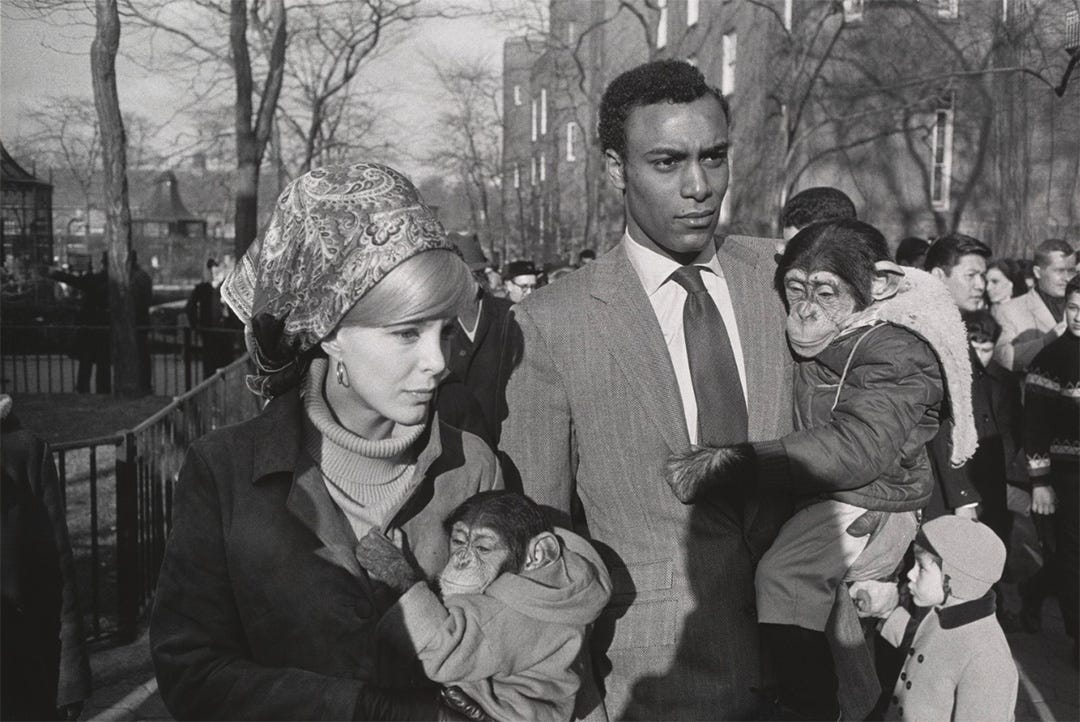
A man and a woman stand at the Central Park Zoo, dressed for somewhere better than a zoo. She is white, he is Black, and each of them is carrying a chimpanzee wearing children’s clothes. Everything else in the frame — the railing, the light, the other visitors — arranges itself around that fact and declines to explain it.
Winogrand made the picture in 1967, the year John Szarkowski put him in New Documents at the Museum of Modern Art alongside Diane Arbus and Lee Friedlander and, in doing so, redefined what American documentary photography was allowed to be about. It has since become the most reproduced image from Winogrand’s years at the zoo. It is also, tellingly, not in the zoo book. The Animals, published in 1969 to accompany an exhibition of the same name at MoMA, gathered forty-three pictures made at the Central Park Zoo and the Coney Island Aquarium between 1962 and 1969. This one was left out. Tod Papageorge — Winogrand’s walking companion on the streets of New York from 1966 onward, and later the head of photography at Yale — has argued that the omission is worth reading: Szarkowski edited the book, but Winogrand did not insist, which suggests he was not sure enough of the picture to fight for it.
The uncertainty was earned. The photograph has been read, from the beginning and with force, as a picture about race — Hilton Als has written about it in the context of miscegenation and what a white viewer is being invited to see. The chimpanzees are not incidental to that reading; they are the whole of it. Winogrand’s stated position on such questions was famously, maddeningly formal — he said he photographed to find out what things looked like photographed — and Martha Rosler’s 1981 essay “In, Around, and Afterthoughts (On Documentary Photography)” took Szarkowski’s whole program to task on exactly that ground, naming Winogrand as its clearest case: a photographer who refused responsibility for what his pictures meant in public.
The rest of The Animals makes the refusal harder to sustain. Szarkowski’s own text for the book described a zoo in which people and animals stare at each other through bars, each failing to notice its own predicament — a joke that only works if the photographs are about human beings. Made over the Vietnam years, on the same walks through Central Park where Winogrand also photographed antiwar demonstrations, the zoo pictures are a satire with a subject. The 1967 frame is what happens when the satire stops being general.
Winogrand died in 1984 having published five books. His archive went to the Center for Creative Photography in Tucson, which drew on it this summer for Animality: 100 Years of Photographs, a show of more than a hundred works that opened August 8 and takes as its hero image a different Winogrand — a New York picture from around 1963 in which an elephant’s trunk and a human hand come within an inch of touching. The gentler one.
WHY IT MATTERS
The pictures a photographer leaves out of the book are a form of testimony. Winogrand spent his career insisting that a photograph was a fact about what a camera does and not a statement about the world, and then made one that has been arguing with viewers for nearly sixty years — and quietly declined to publish it. Sixty years on, the frame is still doing what the best of his work does and what he claimed not to intend: putting a viewer in the position of the zoo-goer, and asking what, exactly, is being looked at.
EXHIBITION HIGHLIGHTS
Carrie Mae Weems: The Heart of the Matter
C/O Berlin | Amerika Haus
September 12, 2026 – February 3, 2027
More than one hundred photographs, videos, and installations make this the first comprehensive retrospective of Carrie Mae Weems in Berlin, and it arrives with the opening weekend of Berlin Art Week. The survey runs from Family Pictures and Stories and the Kitchen Table Series — the 1990 sequence in which Weems cast herself at a single table under a single hanging lamp and built an entire account of intimacy, argument, and solitude out of the arrangement — through the Museums pictures, in which she stands with her back to the camera before the institutions that took a long time to let her in. New work is included in the form of Preach, made among Black communities of faith. Curated by Sarah Hermanson Meister of Aperture with Boaz Levin of C/O Berlin, in a project with Gallerie d’Italia; the opening is Friday, September 11, at 8 p.m.
Lee Friedlander: Maria
Fraenkel Gallery | San Francisco
September 10 – October 24, 2026
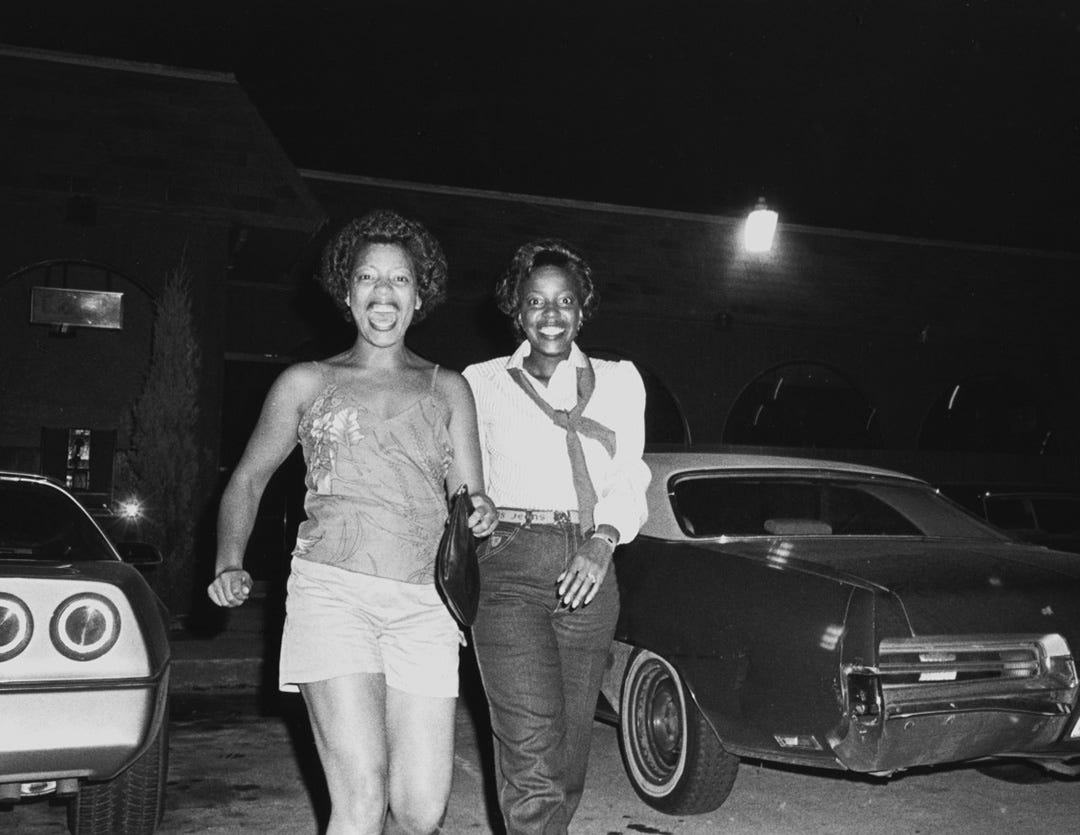
Roughly fifty photographs, made between the 1950s and the 2020s, of one person: Maria Friedlander, the photographer’s wife, in what the gallery reasonably calls one of the longest extended portraits in the history of visual art. Much of it is the ordinary business of a life — Maria reading, driving, on the phone, lying in the sun, reading again — and much of it is unmistakably Friedlander, which is to say the picture keeps getting interrupted by the world. Her silhouette falls across a newspaper at breakfast; her face turns up among clouds reflected in a truck window; his empty suit jacket hangs on a doorknob while she sleeps, and his shadow crosses her in a doorway. Friedlander turns ninety-two this year and was in New Documents in 1967, the same year and the same room as this issue’s lead.
Graciela Iturbide: White Fence, Los Cholos
ROSEGALLERY | Santa Monica
September 12 – December 5, 2026
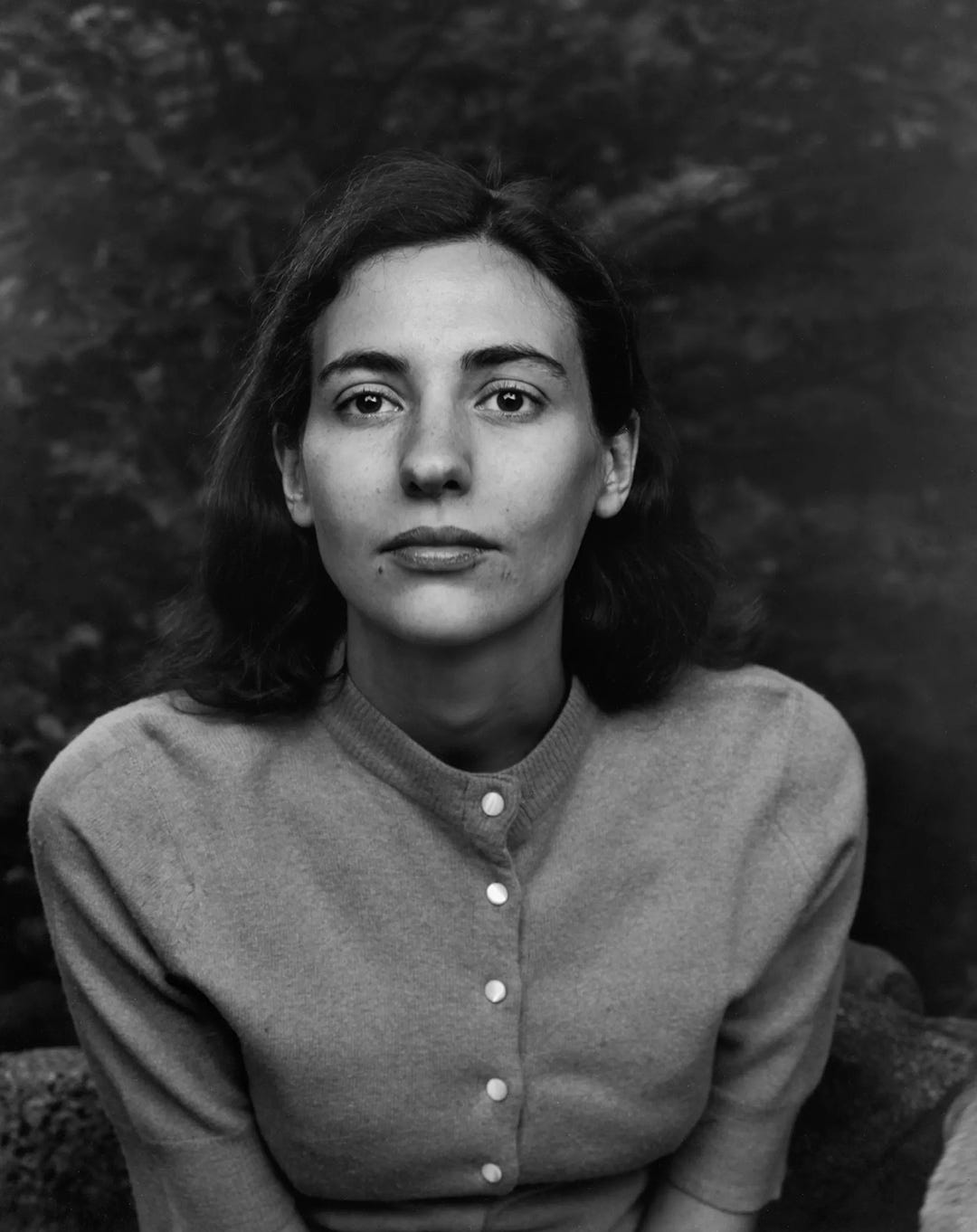
Graciela Iturbide came to East Los Angeles in 1986 on an assignment for A Day in the Life of America and stayed with what she found: the neighborhood around White Fence, the oldest Chicano gang in the city, photographed not as a subject of alarm but as a place where people live, dress, mourn, and hold their ground. The pictures have been read ever since as a corrective to how the barrio was being covered elsewhere in the same decade, and they are among the few bodies of work in which Iturbide, whose great subject is Mexico, turned her attention north. The show opens the same season the Getty is running two exhibitions of Mexican photography a short drive away.
Jean-Luc Mylayne: Reflection
Sprüth Magers | Berlin
September 11 – October 24, 2026
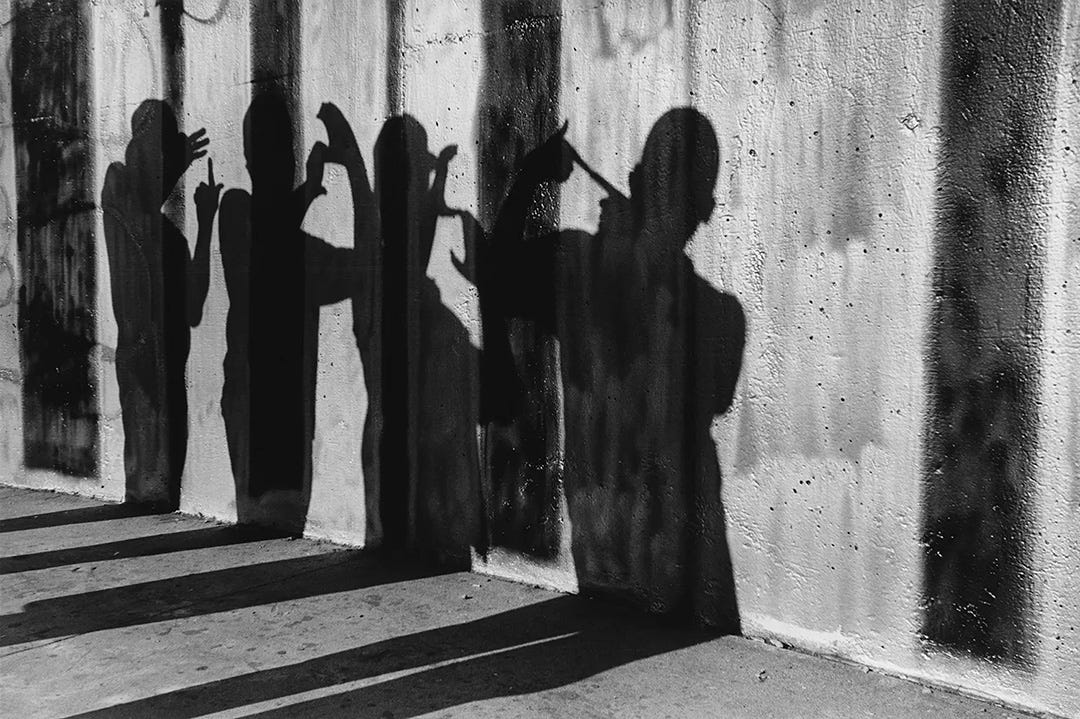
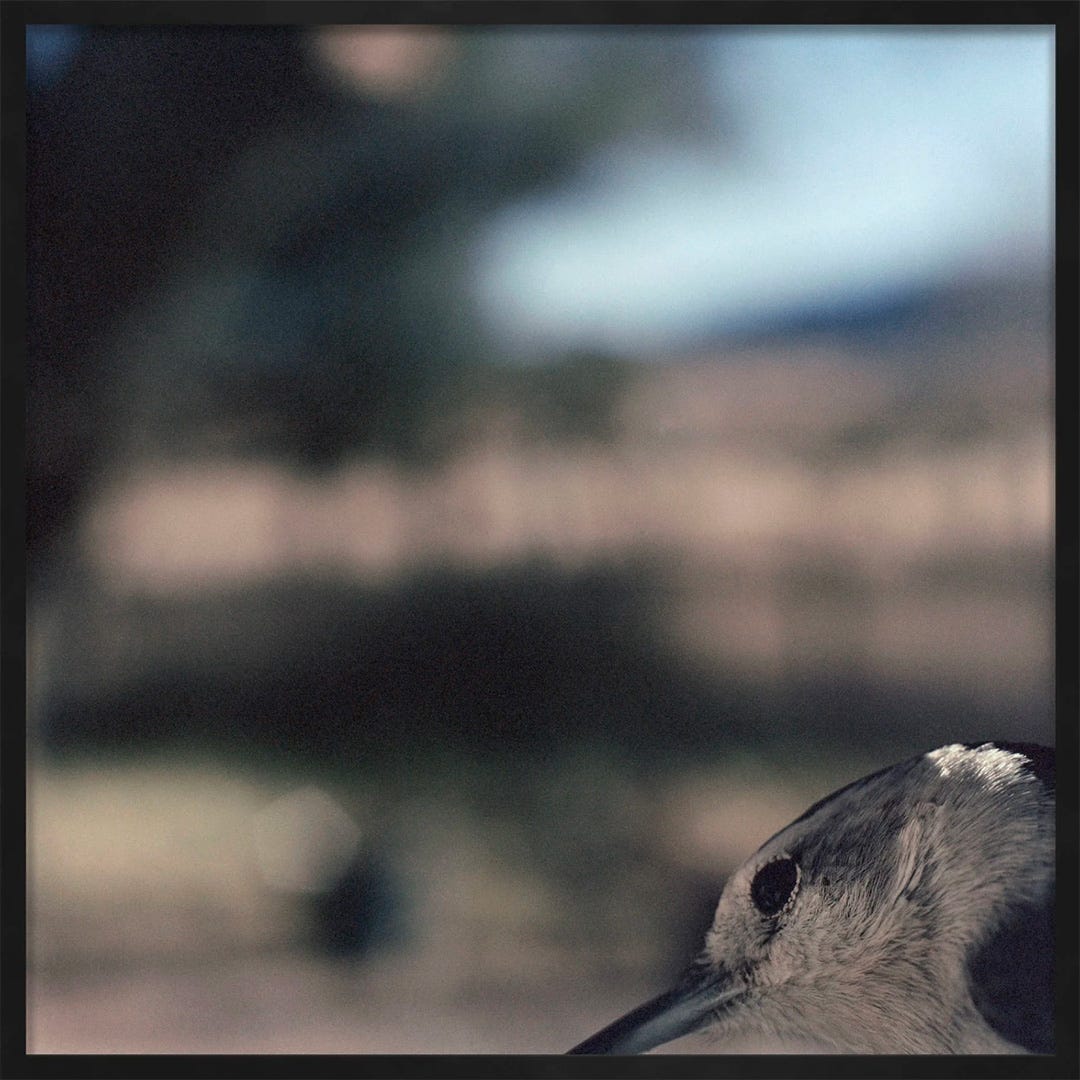
Jean-Luc Mylayne photographs birds, which undersells the operation considerably. Each picture is the product of months in one place — waiting, watching, learning the habits of a particular animal in a particular field until the moment the composition he has been imagining can actually occur — and the resulting images treat depth of field as an argument rather than a setting, with the bird frequently soft and the world behind it exact. Many of the works here were conceived during a residency in Marfa, Texas, and share a register of blues across water, sky, and feather. The opening is Thursday, September 10, from 6 to 10 p.m., in the first days of Berlin Art Week.
Tania Franco Klein: RAGE™
Yancey Richardson | New York
September 10 – October 17, 2026
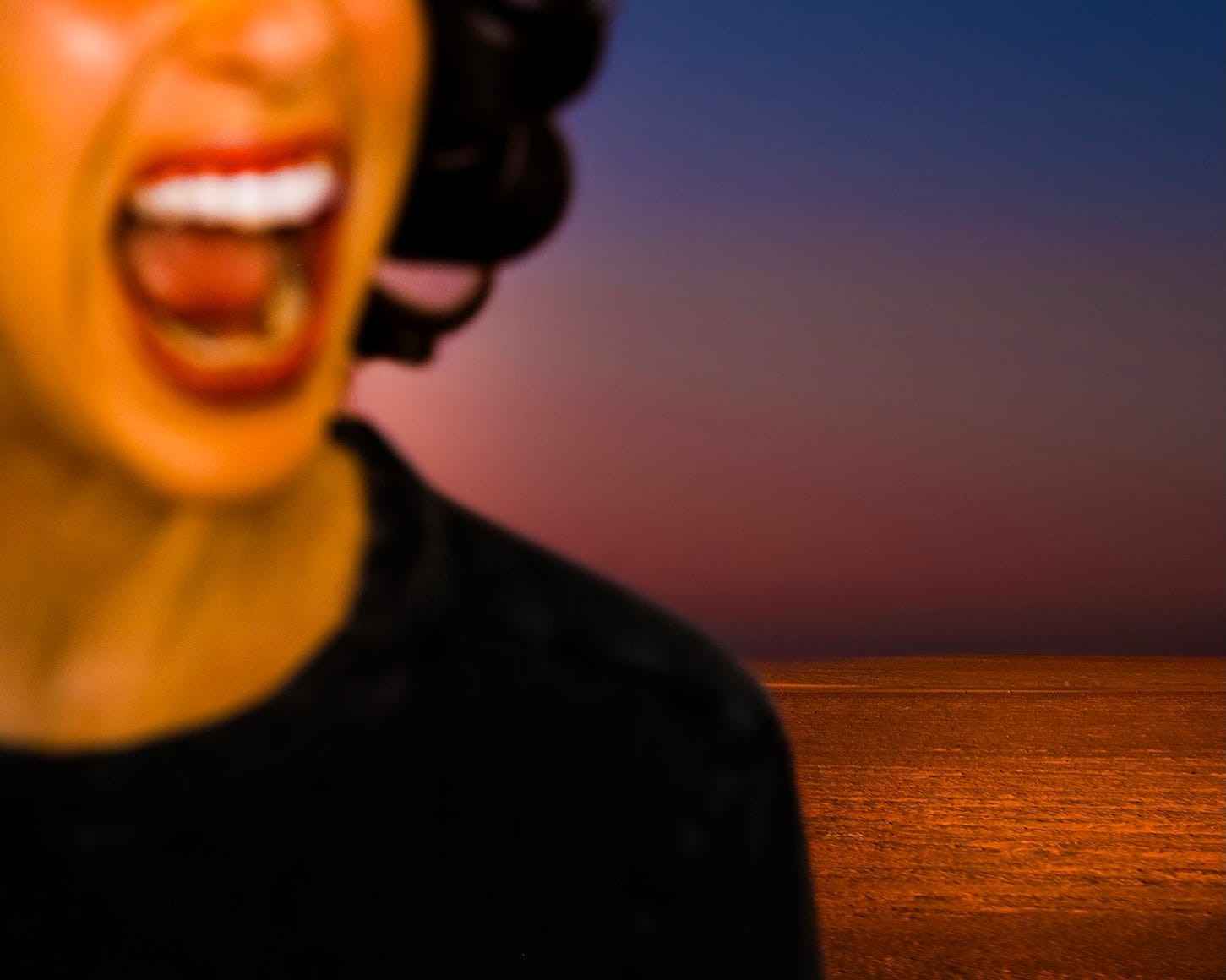
Tania Franco Klein, born in Mexico in 1990, trained first as an architect in Mexico City and then took a photography MA in London, and her staged, saturated, cinematic pictures have always been about states of mind rather than events. Her first exhibition with the gallery takes rage as its subject — not as private feeling but as a public resource, cultivated and directed by media and political interests, and by turns destructive and generative. Each work borrows a different visual language from the history of art or of mass media, and the series presses on what artificial intelligence is doing to the reliability of a picture. The opening reception is Thursday, September 10, from 6 to 8 p.m.
WHAT’S ON AROUND THE WORLD
Opening This Week
Berlin
Brassaï (1899–1984) Retrospektive — Galerie Berinson · Opens Sep 12 (vintage prints; opens three days after Brassaï’s birthday)
Katharina Sieverding: Life–Death — Galerie Thomas Schulte · Opens Sep 11 (Berlin Art Week)
Roger Eberhard: Meanwhile — Robert Morat Galerie · Opens Sep 11
Chicago
If Emmett Till Lived: Freedom on American Ground — Museum of Contemporary Photography · Opens Sep 10 (110+ artists; curated by Sarah Elizabeth Lewis with Rev. Wheeler Parker Jr.)
Cologne
August Sander: On His 150th Birthday — Die Photographische Sammlung / SK Stiftung Kultur · Opens Sep 11 (through Jan 24, 2027)
Copenhagen
Photography Now! Contemporary Danish Photography Today — Royal Danish Library, The Black Diamond · Opens Sep 11
Dublin
International Centre for the Image — opening program — Opens Sep 11 (PhotoIreland’s new permanent museum; Rhiannon Adam, Lewis Bush, Female in Focus)
London
William Klein: 100 — HackelBury Fine Art · Opens Sep 9 (centenary; through Feb 2, 2027)
Melbourne
Bowness Photography Prize 2026 + Sarah Rhodes: The inner sky — Museum of Australian Photography · Opens Sep 12 (winner announced Sep 17)
Milan
Galeria Asymetria: Jerzy Lewczyński and Henryk Waniek — MiCamera · Opens Sep 8 (opening talk 6:30 p.m.)
New York
Mark Armijo McKnight: Cut the World — Klaus von Nichtssagend Gallery · Opens Sep 9
Thomas Ruff: jpegs ny — David Zwirner · Opens Sep 10
Andrea Modica: Italian Story — Alice Austen House, Staten Island · Opens Sep 12 (first US presentation; platinum prints)
Riverside, CA
Dispatches: The Photography of Douglas McCulloh, 1990–2025 — UCR ARTS / California Museum of Photography · Opens Sep 12
Toronto
Richard Avedon Immortal: Portraits of Aging, 1951–2004 — The Image Centre · Opens Sep 9 (curated by Paul Roth)
Closing Soon
Amsterdam
Ed van der Elsken: Up Close — Rijksmuseum · Closes Sep 13
Buenos Aires
Imagen técnica y cultura material I: Jorge Luis Borges — Rolf Art · Closes Sep 10
Carmel, CA
Todd Hido: Many Small Decisions — Center for Photographic Art · Closes Sep 13
Frankfurt
Unterströmung — Nathalie Grenzhäuser — Kunstverein Familie Montez · Closes Sep 13
Lisbon
Michael Najjar: Heterotopic Turbulences — Galeria Filomena Soares · Closes Sep 12
London
The Royal Photographic Society’s International Photography Exhibition 167 — Saatchi Gallery · Closes Sep 11
Sayuri Ichida: Playing the Piano Upstairs — The Photographers’ Gallery, Print Sales · Closes Sep 13
Los Angeles
1911 Sunset Boulevard — Gallery Luisotti · Closes Sep 12
Madrid
México y el fútbol: la mirada de Leibovitz — Casa de México / PHotoESPAÑA · Closes Sep 13
New York
Allen Ginsberg and Vivian Maier: Notes from the Margins — Howard Greenberg Gallery · Closes Sep 12 (centennial of both; c. 80 prints)
Andrea Hernández Briceño: Fire Becomes Spirit — International Center of Photography · Closes Sep 13
Paris
Camille Vivier — Maison Européenne de la Photographie · Closes Sep 13
Photography from A to Z — Maison Européenne de la Photographie · Closes Sep 13
Martine Dawson: Faultlines — MEP Studio · Closes Sep 13
Reykjavík
Street Scenes — Í Fókus 2026 — Reykjavík Museum of Photography · Closes Sep 13
Santa Fe
Ruth Thorne-Thomsen — Daniel Cooney Fine Art · Closes Sep 11
Tokyo
The Joy of Honeybees — Masami Sasaki — FUJIFILM SQUARE · Closes Sep 10
Ongoing
A rotating selection of shows worth the trip, beyond the openings and closings above.
Bern
Fokus. Florence Henri (1893–1982) — Zentrum Paul Klee · Through Jan 10, 2027
Chicago
Lee Miller: Fearless — Art Institute of Chicago · Through Dec 7
London
Japanese Women Photographers: From 1950s to Now — The Photographers’ Gallery · Through Sep 27
New York
Hujar:Contact — The Morgan Library & Museum · Through Oct 25
Norfolk, VA
Ilse Bing: Between Paris and New York — Chrysler Museum of Art · Through Oct 18
Turin
Harry Gruyaert: Retrospettiva — CAMERA – Centro Italiano per la Fotografia · Through Oct 4
Vancouver
Greg Girard: Photographs 1972–2026 — The Polygon Gallery · Through Oct 25
FESTIVAL WATCH
Visa pour l’Image — Perpignan, France · Final week, through Sep 13 (the 2026 Visa d’Or laureates were announced Sep 4–5: Luis Tato of AFP takes the Visa d’Or News for the Gen Z protests in Madagascar; Philémon Barbier the Visa d’Or Ville de Perpignan Rémi Ochlik for Syria: The Dawn of Ashes*; Jérôme Gence the Visa d’Or Magazine; Khames Alrefi the ICRC Humanitarian Visa d’Or)*
Berlin Art Week 2026 — Berlin · Sep 9 – 13 (15th edition; the photography strand runs through Weems at C/O Berlin, Mylayne at Sprüth Magers, Brassaï at Berinson, and Sieverding at Thomas Schulte)
BredaPhoto Festival 2026 (12th edition): Our Songs Came Through — Breda, Netherlands · Sep 11 – Oct 25 (city-wide biennial, 40+ photographers, including six Sudanese photographers curated with Ala Kheir)
SI Fest 2026 (35th edition): Still Standing — Savignano sul Rubicone, Italy · Sep 11 – 27 (Italy’s longest-running photography festival; Christopher Anderson, Mario Cresci, Lars Tunbjörk, Robin de Puy, Robbie Lawrence, plus the Premio Marco Pesaresi)
JIPFest 2026 (Jakarta International Photo Festival, 6th edition): Resilience — Jakarta, Indonesia · Sep 11 – 20 (at Taman Ismail Marzuki; curated by Chelsea Chua and Yoppy Pieter)
OFF THE PRESS


Step By Step by Sirkka-Liisa Konttinen
Between 1982 and 1989 Sirkka-Liisa Konttinen followed a group of girls and their mothers through a dancing school in North Shields, on the Tyne, and kept following them after they left it. The result, first published in 1989 and long out of print, is one of the great British documentary books about class and aspiration — the dancing understood not as a hobby but as the thing that made the rest bearable, and the girls’ own accounts running alongside the photographs, funny and unsentimental about what was in front of them. The series fed directly into Lee Hall’s play Dancer, which became Billy Elliot. Konttinen came from Finland to study fillmaking in London, joined the Amber Film & Photography Collective in Newcastle in 1969, and made her name with Byker, the record of a working-class neighborhood photographed in the years before it was demolished. This edition has been extensively revised by her; a signed edition of sixty, and includes a print..
The Sound of Dirt and Beauty by Jesse Glazzard
A decade of photographs made in the UK among friends, lovers, and collaborators, and the first book by Jesse Glazzard. The pictures move between studio portraits and whatever was happening in the room — bodies, bedrooms, gatherings, pages of a diary — and they refuse the register of spectacle that queer working-class life is usually photographed in. Glazzard’s own transition runs through the sequence alongside the changing lives of everyone around him, which is the book’s real argument: identity here is not a category being illustrated but a set of relationships being lived. It is built like the zines Glazzard self-published before it, stapled and screen-printed, and reads as a record rather than a monument.
Maria by Lee Friedlander
More than seventy photographs of Maria Friedlander, made across seven decades, published to accompany the exhibition opening at Fraenkel on September 10. What separates the book from the show is the interview: Maria talks to Jeffrey Fraenkel about what it took to hold a family together around a man photographing everything in it, and about her own verdict on the work she is part of. She did not like all of it. She thought he had something going. Few books about a long marriage are this unillusioned and this affectionate at once.
OPEN CALLS
Innovate Grant — Summer 2026 Cycle — Sep 17, 11:59pm PST · photographers and visual artists 18+ worldwide, duos and collectives eligible; two unrestricted $1,800 grants plus 18 honorable mentions
Prix Yzza Slaoui de la Découverte — Sep 21 · no fee; for Moroccan photographers; €2,000 plus a solo exhibition or screening at Les Rencontres de la Photographie de Marrakech 2027
PhotoVogue 2026 Regional Open Call: MENA Panorama — Sep 24 · no entry fee; $8,000 in grants; open to artists from the MENA region and its diaspora
Tom Stoddart Award for Excellence × GOST Books Photobook Grant 2026 — Sep 30 · £5,000 toward production expenses plus print publication with GOST
Filter Photo: Field Notes from the Middle — Sep 30, 11:59pm CT · lens-based artists in twelve Midwestern states; juror Nathaniel M. Stein of the Cincinnati Art Museum selects five artists; $2,000 purchase award with the work entering the museum’s collection; exhibition Dec 4, 2026 – Feb 13, 2027
ON THIS DAY
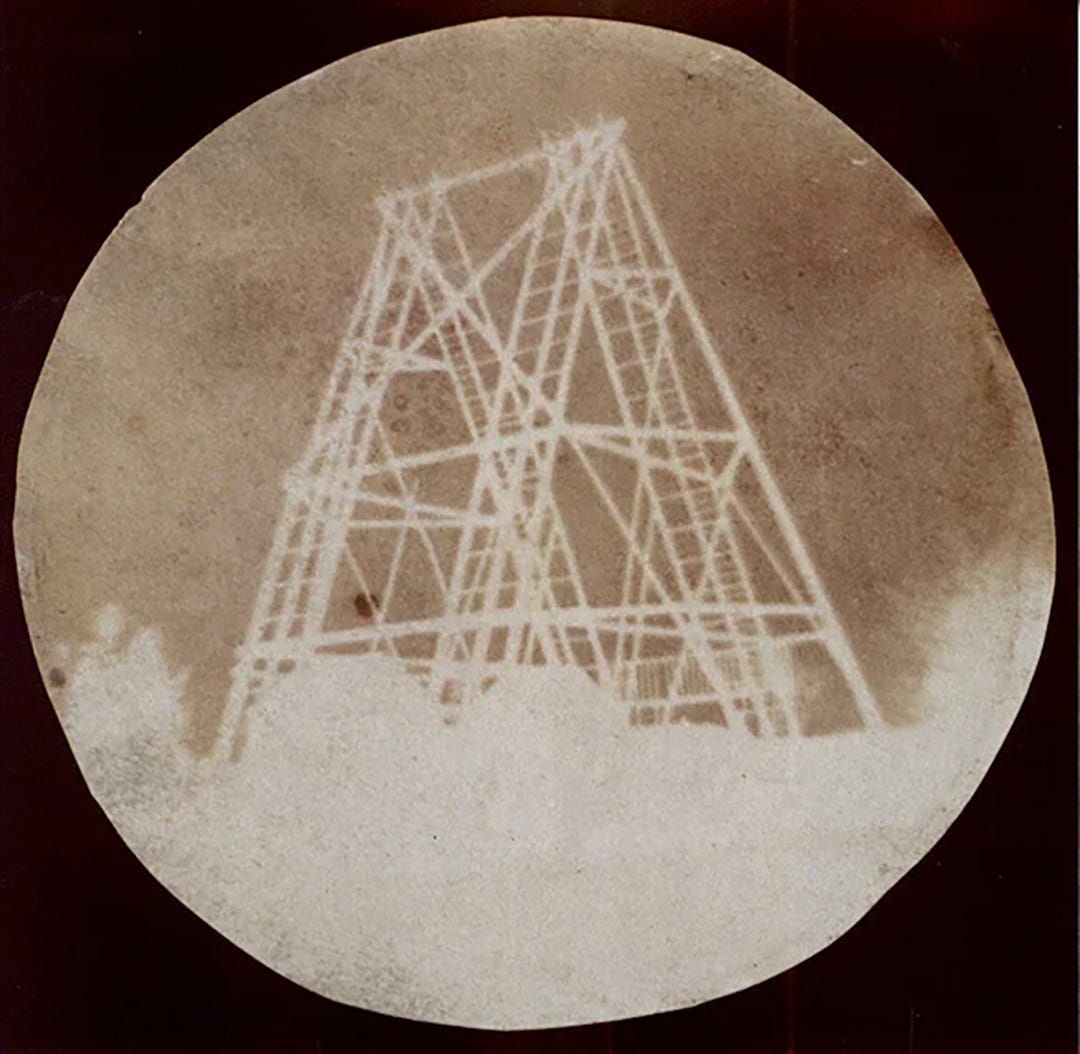
September 9, 1839 — Sir John Herschel photographs his father’s forty-foot telescope at Slough, making the earliest surviving photograph on glass. The telescope was already a ruin; William Herschel’s great reflector, the largest in the world when it was built in the 1780s, was being dismantled, and his son fixed its image on a glass plate weeks after Daguerre’s process had been announced in Paris and Talbot had shown his own in London. Herschel was a mathematician, astronomer, chemist, and botanist who came to photography sideways and then gave it most of its vocabulary: photography, negative, positive, and snapshot all enter English usage through him, and it was Herschel who told both Talbot and Daguerre that sodium thiosulfate would fix an image permanently — the single piece of chemistry without which none of it would have lasted. The plate is in the Science Museum in London. Glass negatives remained standard in astronomy for a century and a half after he made it. Photo Museum Ireland

THE INTERNATIONAL REVIEW OF PHOTOGRAPHY
To advertise an exhibition, book, fair, or open call to photography collectors, curators, and gallerists worldwide, email internationalphotographynews@gmail.com