

THE PHOTOGRAPH
“Fort Peck Dam, Montana” — Margaret Bourke-White, 1936
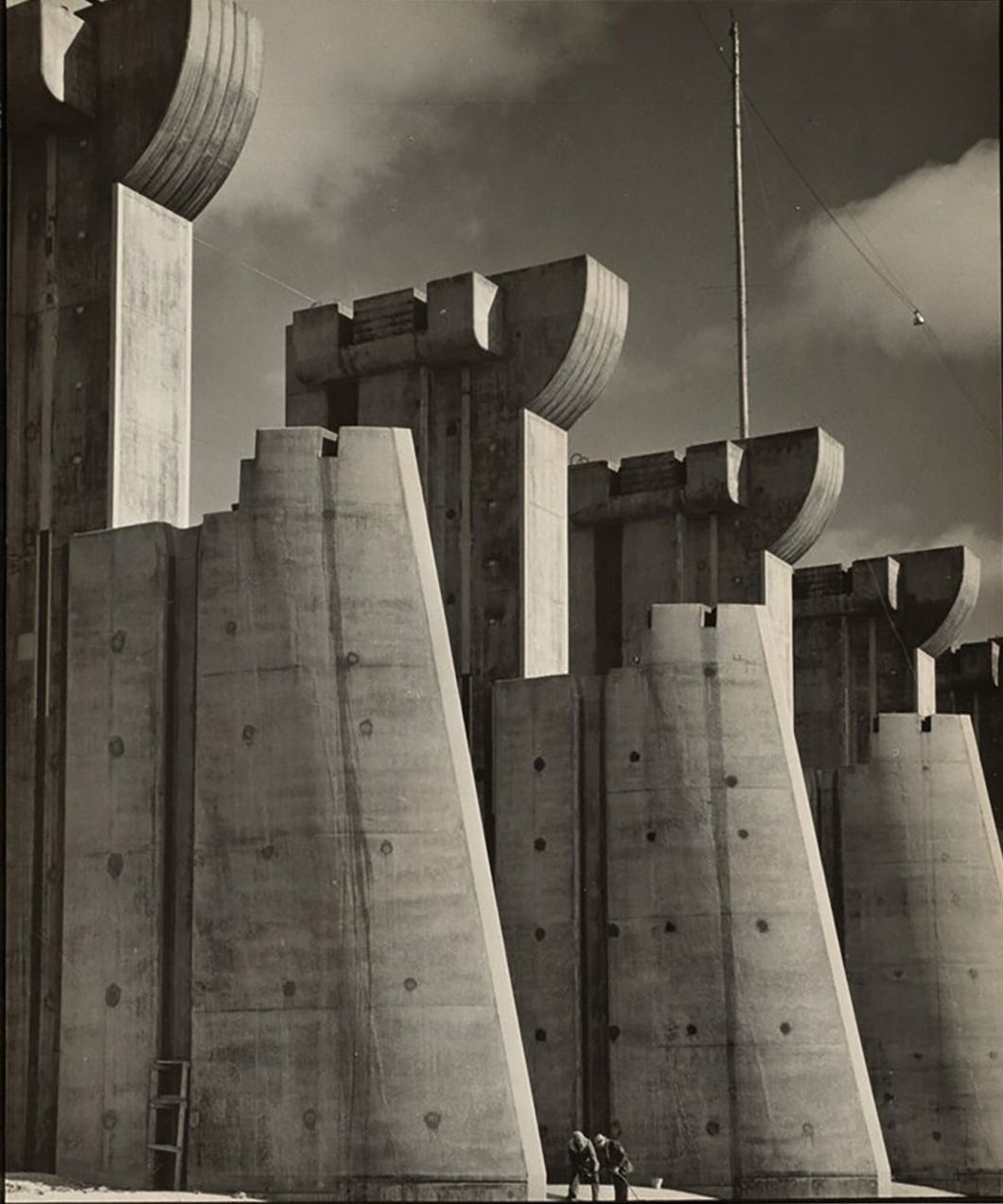
Four concrete monoliths rise out of the Montana flatland like the curtain wall of a fortress, each one crowned with a notched block that reads, unmistakably, as a battlement. Two workmen stand at the base, small enough to be missed on a first look and essential on the second — without them the structures could be a hundred feet tall or a thousand. Almost everyone who saw the picture on a newsstand in November 1936 took it for the dam. It is not the dam. It is the spillway, and the crenellations are piers built to carry an elevated highway, as The Met notes in its record of the print — a machine-age structure that looks like a medieval one, photographed from below by someone who understood exactly what the resemblance would do to a reader.
Henry Luce had sent Margaret Bourke-White to Fort Peck for construction pictures. The dam was a New Deal showpiece — funded through the Public Works Administration, built by the Army Corps of Engineers on the upper Missouri, and employing more than ten thousand people at its peak that summer. What she filed instead was the county around it: six raw boomtowns thrown up to house the workforce, with names like Wheeler and New Deal, and inside them the bars, the rented bedsprings, the taxi dancers, a woman doing New Deal’s laundry without running water. The magazine’s editors said so themselves in the issue: what they expected were construction pictures as only Bourke-White could take them, and what they got was a human document of American frontier life that was, to them at least, a revelation.
That issue was LIFE, volume one, number one, dated November 23, 1936 — ninety years ago this fall. The spillway ran on the cover; the boomtowns ran inside, and between them they set the template for the American picture magazine: a single arresting image to stop you, then a sequence of photographs doing the work that text had done before. Bourke-White was the first woman Luce hired to photograph for it. She had already been the first Western photographer admitted to the Soviet Union, in 1930; she would go on to be among the first women accredited to work in United States combat zones, and to enter Buchenwald with Patton’s Third Army. Prints of the Fort Peck picture are held by the National Gallery of Art and the Met.
Institutions are on the calendar this week too, and older ones. On Friday the Royal Photographic Society’s International Photography Exhibition — first staged in 1854 and now in its 167th edition — opens at Saatchi Gallery in London. On Saturday it will be 157 years since the death of Roger Fenton, who helped found the society that became the RPS and then walked away from photography altogether.
WHY IT MATTERS
A photograph made an institution here, and an institution made the photograph. LIFE needed a cover that would justify a magazine built entirely on pictures, and Bourke-White gave it one that made a federal earthworks look like a cathedral. Ninety years on, the picture-led weekly is gone and the argument it won is everywhere — that a photograph can carry the front page, that a sequence of images is a form of reporting and not an illustration of it. Every photo essay published since is working inside the frame she set that November.
EXHIBITION HIGHLIGHTS
Catherine Opie: To Be Seen
Royal Scottish Academy, National Galleries of Scotland | Edinburgh
August 8 – November 1, 2026
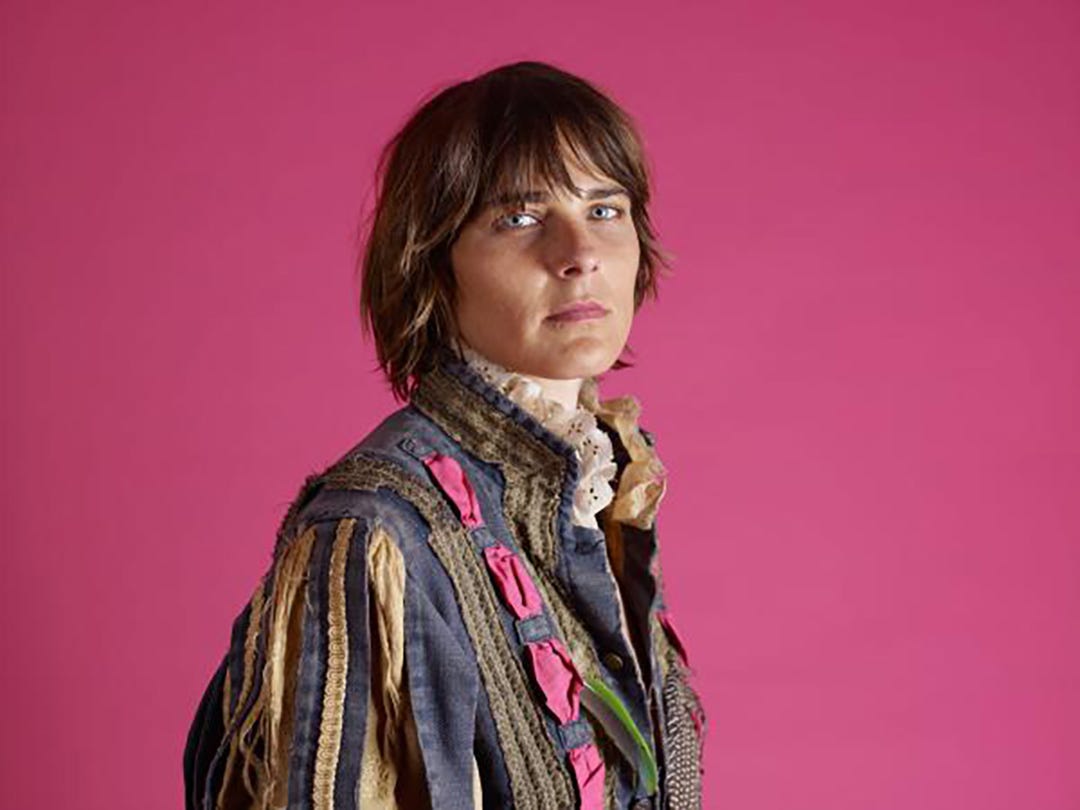
Opie’s first solo exhibition in Scotland opens Saturday, bringing nearly 80 portraits north from the National Portrait Gallery in London — the show that gave her a first major UK museum survey — and setting them against a selection of portraits from Scotland’s national collection. Curated with the artist, it runs from Being and Having (1991) through the ennobling studio portraits of LGBTQ+ friends that borrow their poses and their velvet grounds from Hans Holbein, to the later baroque pictures of fellow artists, taking in surfers, high school footballers, children, and political crowds along the way.
Animality: 100 Years of Photographs
Center for Creative Photography | Tucson
August 8 – December 12, 2026
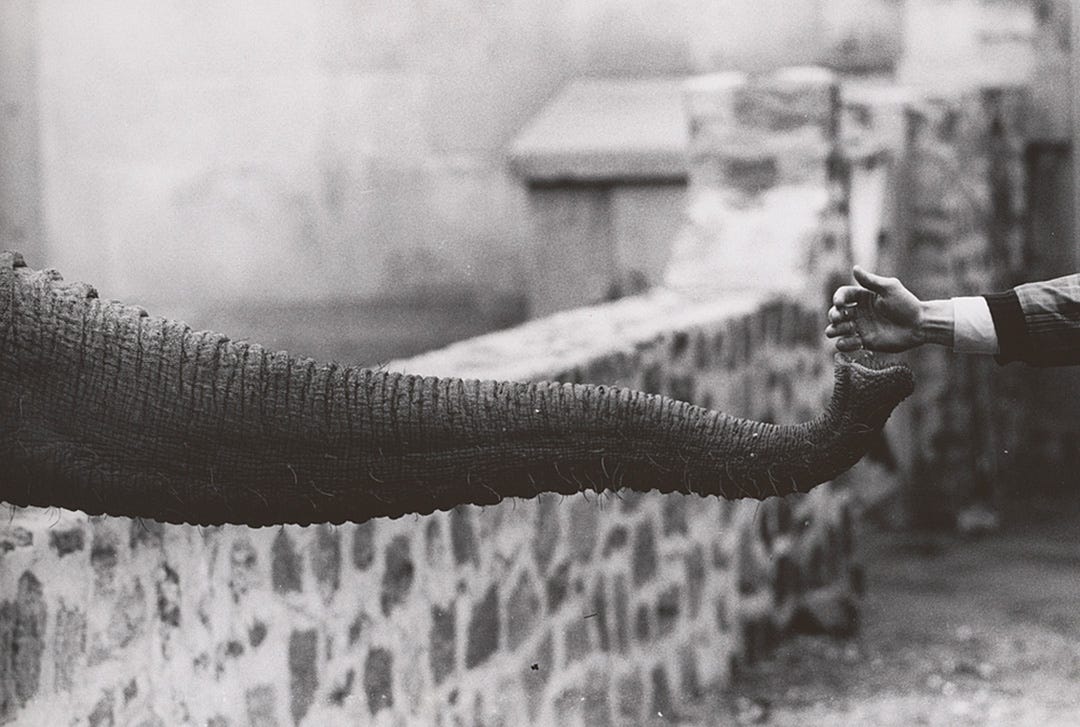
The Center for Creative Photography opens a century-spanning look at what people have done with cameras and animals — more than 100 photographs and archival objects from the CCP’s holdings, arranged into eleven thematic groupings that run from companionship to spectacle to welfare. The range of formats is part of the argument: the show sets working documentary pictures beside studio portraits and vernacular material, and the animals turn out to be a reliable index of human attention. It was organized by a team of seven curators — Dylan Brown, Maya Cervantes, Emma Charles, Charles Elliott, Emily Hogg, Emma Mireles, and Shay Parchem — in the Alice Chaiten Baker Interdisciplinary Gallery.
The Royal Photographic Society’s International Photography Exhibition 167
Saatchi Gallery | London
August 7 – September 11, 2026
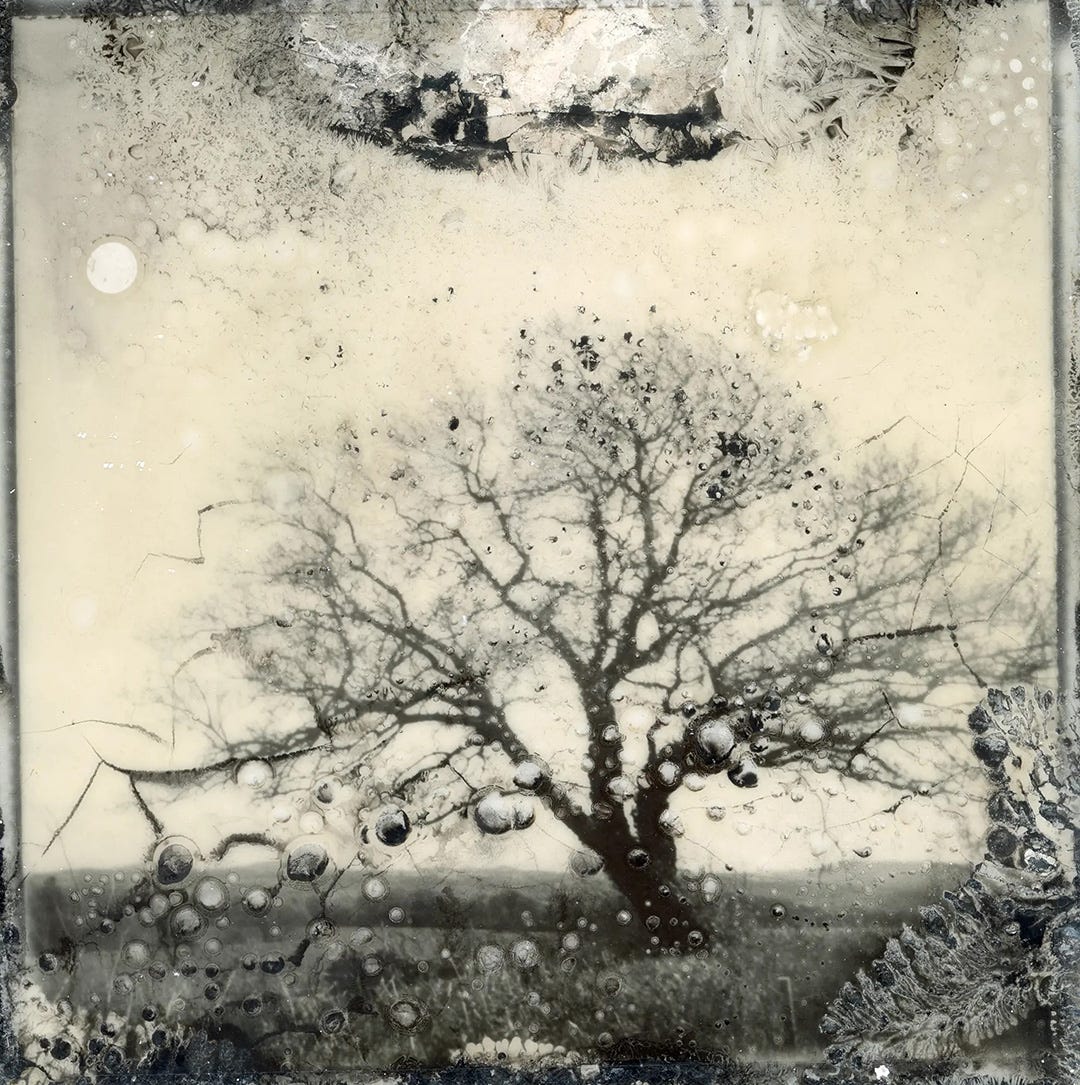
The longest-running photography exhibition in the world returns to Saatchi Gallery on Friday for its 167th edition, and admission is free. A guest panel selected 113 prints by 48 photographers from a field of more than 5,200 entrants; the submissions cluster around environmental change, identity, conflict, memory, community, and family, with a visible strand of alternative-process work. Marcy Palmer takes the IPE Award for Seeds of Strength and Resilience, on the history and future of reproductive rights, and Léa Chen takes the Under 30s Award for The Stars That Don’t Look Back, on three generations of women in Taiwan.
Women on Waves — Elina Brotherus and Lauri Astala
Photo North | AaltoSiilo, Meri-Toppila, Oulu, Finland
August 5 – 30, 2026
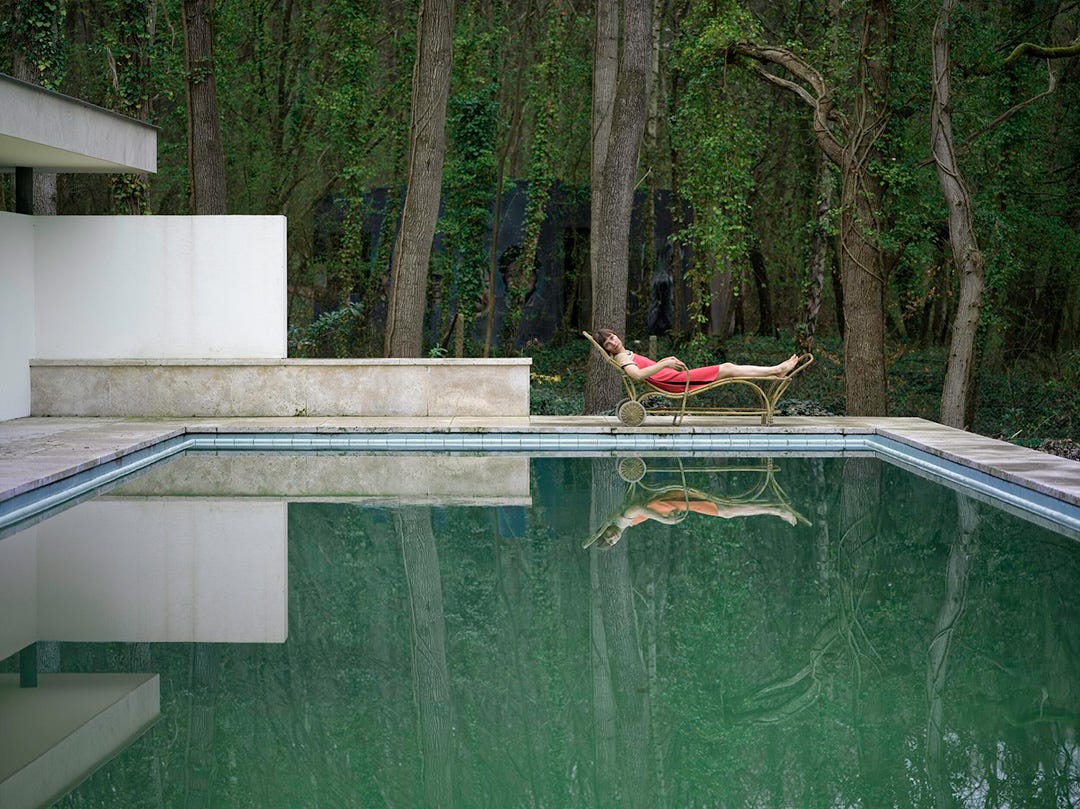
Alvar and Aino Aalto’s first modernist industrial building — a grain silo on the Gulf of Bothnia, brought back from ruin in recent years by the Factum Foundation — houses a show about the domestic architecture Aalto designed later. Elina Brotherus contributes photographs including Les Femmes de la Maison Carré, her sequence made inside Maison Louis Carré, the house Aalto built outside Paris in the late 1950s; Lauri Astala’s video work threads AI-generated material through remembered interiors. The premise is fiction rather than survey: invented residents moving through real rooms. It runs for August only, as part of the Oulu2026 European Capital of Culture program and organized with Photo North.
William Wegman: Private Show
Marc Selwyn Fine Art | Beverly Hills
On view through September 5, 2026
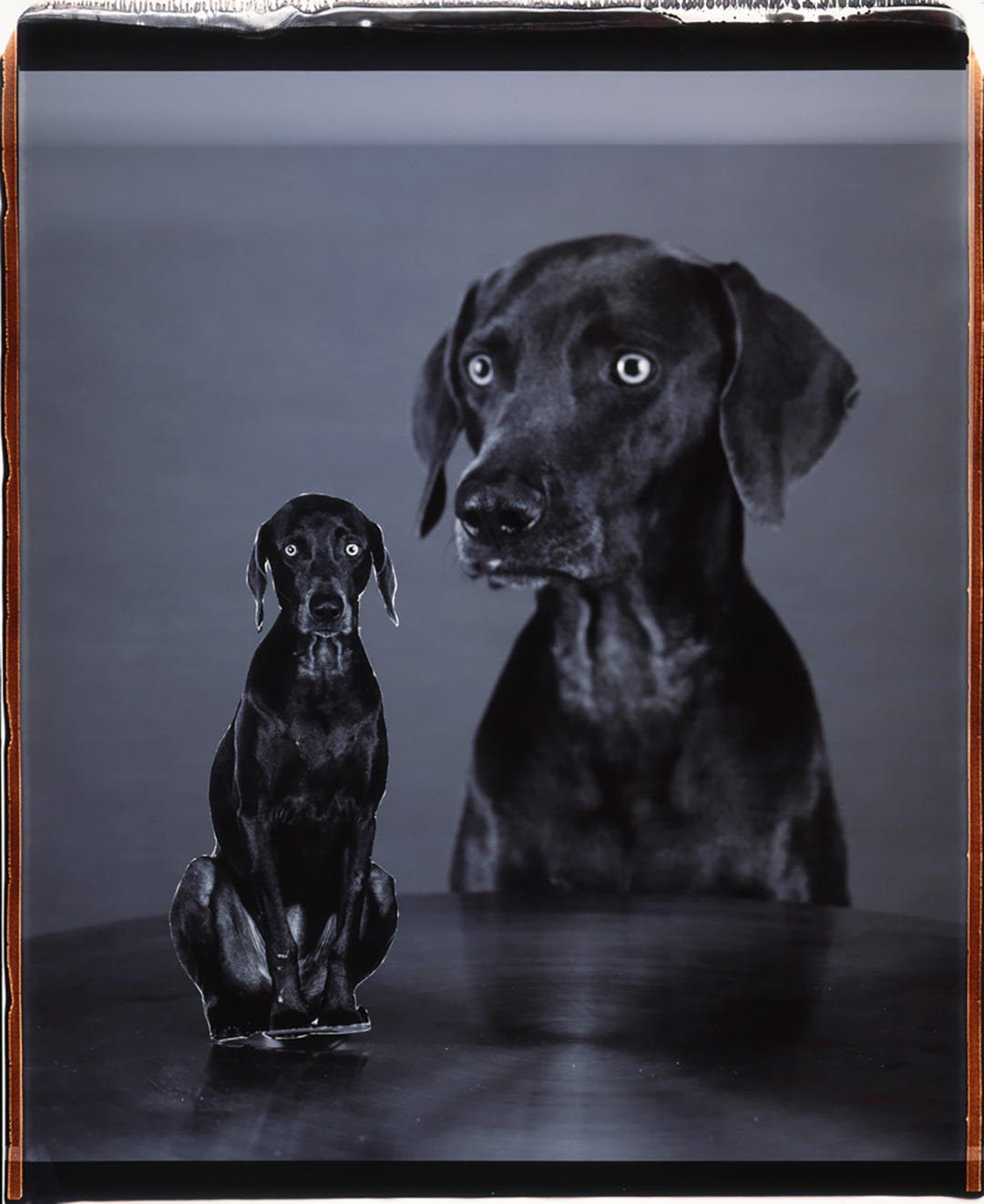
Before the Weimaraners there was a young artist in Santa Monica making deadpan black-and-white photographs alongside Ed Ruscha, John Baldessari, and Allen Ruppersberg, and this show is mostly about him. Rare vintage prints from 1970–74 anchor it: A Basic Guide to Lettering (1972) turns an instructional manual upside down; the title work stages a performance for an audience of one man and one dog, shot from behind the spectators so that watching becomes the subject; others use multiple exposures and darkroom tricks that anticipate digital manipulation by decades. Wegman’s 1970 video Singing Stomach is included, and a group of large-format Polaroids from the 1990s and 2000s closes the arc.
WHAT’S ON AROUND THE WORLD
Openings, closings, and the shows worth a trip.
Opening This Week
Melbourne
Unbound: New Photo Zines — Centre for Contemporary Photography at ArtSpace at Realm, Ringwood · Opening event Aug 6 (self-published photo zines; runs through Sep 13)
Tampa
Through Their Lens: A Journey of Self-Exploration — Florida Museum of Photographic Arts · Opens Aug 4 (emerging Tampa Bay student photographers)
Closing Soon
Dublin
New Irish Works 2026 — International Centre for the Image · Closes Aug 9
Milwaukee
Widline Cadet: Currents 40 — Milwaukee Art Museum · Closes Aug 9
Montreal
Richard Avedon: Immortal — Montreal Museum of Fine Arts · Closes Aug 9 (final week; portraits of aging, 1951–2004)
New York
Manifest and Sublime — Yancey Richardson · Closes Aug 7
Matt Saunders: On an Overgrown Path — Marian Goodman · Closes Aug 7
San Francisco
John Chiara: Bay Panel — SF Camerawork · Closes Aug 16
Tokyo
Izuru Takeya: Anon — Zen Foto Gallery · Closes Aug 8
Ongoing
A rotating selection of shows worth the trip, beyond the openings and closings above.
Amsterdam
Martine Gutierrez: Wunderkind — Huis Marseille · Through Oct 18
Antwerp
Carrie Mae Weems: The Heart of the Matter — FOMU · Through Aug 23 (final month)
Chicago
Prix Pictet: Storm — Museum of Contemporary Photography · Through Aug 22 (final weeks of the touring prize exhibition)
London
SPLASH: Sea, Beach and Pool — Atlas Gallery · Through Aug 30
New York
Allen Ginsberg and Vivian Maier: Notes from the Margins — Howard Greenberg Gallery · Through Sep 12
Yves Saint Laurent and Photography — International Center of Photography · Through Sep 28
FESTIVAL WATCH
42nd Higashikawa International Photography Festival — Higashikawa, Hokkaido · August 1–31 (running all week in Japan’s “Town of Photography”; home of the Higashikawa Awards)
Les Rencontres d’Arles 2026 — “Worlds in View” — Arles · Through Oct 4 (week five of the European photography summer’s anchor)
Fotosommer Stuttgart 2026 — Stuttgart, citywide · Through Sep 13 (UNORDNUNG continues at THE GÄLLERY, Staatsgalerie Stuttgart)
Cortona On The Move 2026 — Cortona · Through Nov 1 (Italy’s major documentary-photography festival)
Visa pour l’Image 2026 — Perpignan · Aug 29 – Sep 13 (on the horizon: the 38th edition of photojournalism’s flagship gathering)
OFF THE PRESS


Contact by Robert Adams
Adams’s photographs of the American West arrive looking inevitable — the clouds, the cottonwoods, the roads under that flat Colorado light, arranged with such economy that they seem less composed than found. This book takes that impression apart. Drawing on contact sheets never published before, it pairs roughly 50 finished photographs with the sheets they came from, marked up in Adams’s own hand with cropping lines, exposure times, and working notes. The pictures span two decades, from the 1960s to the mid-1980s, just before he traded the larger negatives for a nimbler 35mm camera. Jeffrey Fraenkel, who provides the introduction, writes that the sheets remind us Adams “was never looking for the perfect picture. He looked until the picture became one.”
Unknown Prophecies by Robert Polidori
“Is it possible to photograph a past life?” Polidori asks at the opening of his new book. “To capture the unseen, the forgotten, the spectral residue of a soul’s former dwelling?” His subject is the abandoned churches of Naples — once glorious sites of Christian worship, now neglected and dilapidated relics — and his method is the same forensic, large-format patience he brought to Havana, Versailles, and post-Katrina New Orleans. The camera settles on flaking frescoes, broken sculpture, crumbling bones, and votive shrines left mid-devotion, finding in them what he calls an evaporation of faith. Among the vestiges, the cult of purgatory endures: a theology of intercession still murmuring in the margins of the city’s fractured sanctuaries.
Línea P: Los búnkers del Pirineo by Iñaki Bergera
Between 1945 and 1955, Franco’s Spain fortified the Pyrenees against an invasion that never came, burying thousands of concrete positions along the French border in a scheme called the Línea P. Iñaki Bergera — a photographer who is also an architect and an architectural historian — spent 2024 and 2025 walking Sector 23, in the Valle de Tena in Huesca province, and made more than 1,500 exposures of its 185 surviving structures. Around 70 are collected here across four sections: typologies, landscape, spaces, and gazes. The machine-gun and mortar emplacements, camouflaged into rock and grass and now indistinguishable from land art, make the case that a paranoid infrastructure has become a form of accidental sculpture. Texts by José Manuel Clúa Méndez, Iñaki Ábalos, Ascensión Hernández Martínez, and Ramón Esparza.
OPEN CALLS
Decay, Corrosion, Rust — New York Center for Photographic Arts · Deadline August 16 · Open to any photographic process; $4,000 in cash awards across a $1,100 grand prize and nine placed prizes, plus 20 juror selections and 20 honorable mentions. Juried by Darren Ching of Klompching Gallery.
2026 Paris Photo–Aperture PhotoBook Awards — Aperture and Paris Photo · Deadline September 4, 5 p.m. EDT · The photobook world’s marquee prize, with shortlists announced ahead of Paris Photo in November.
Cite the past, sight the stars — The Photographers’ Gallery, London · Deadline September 6 · A new residency in Derbyshire, open now for applications.
ON THIS DAY
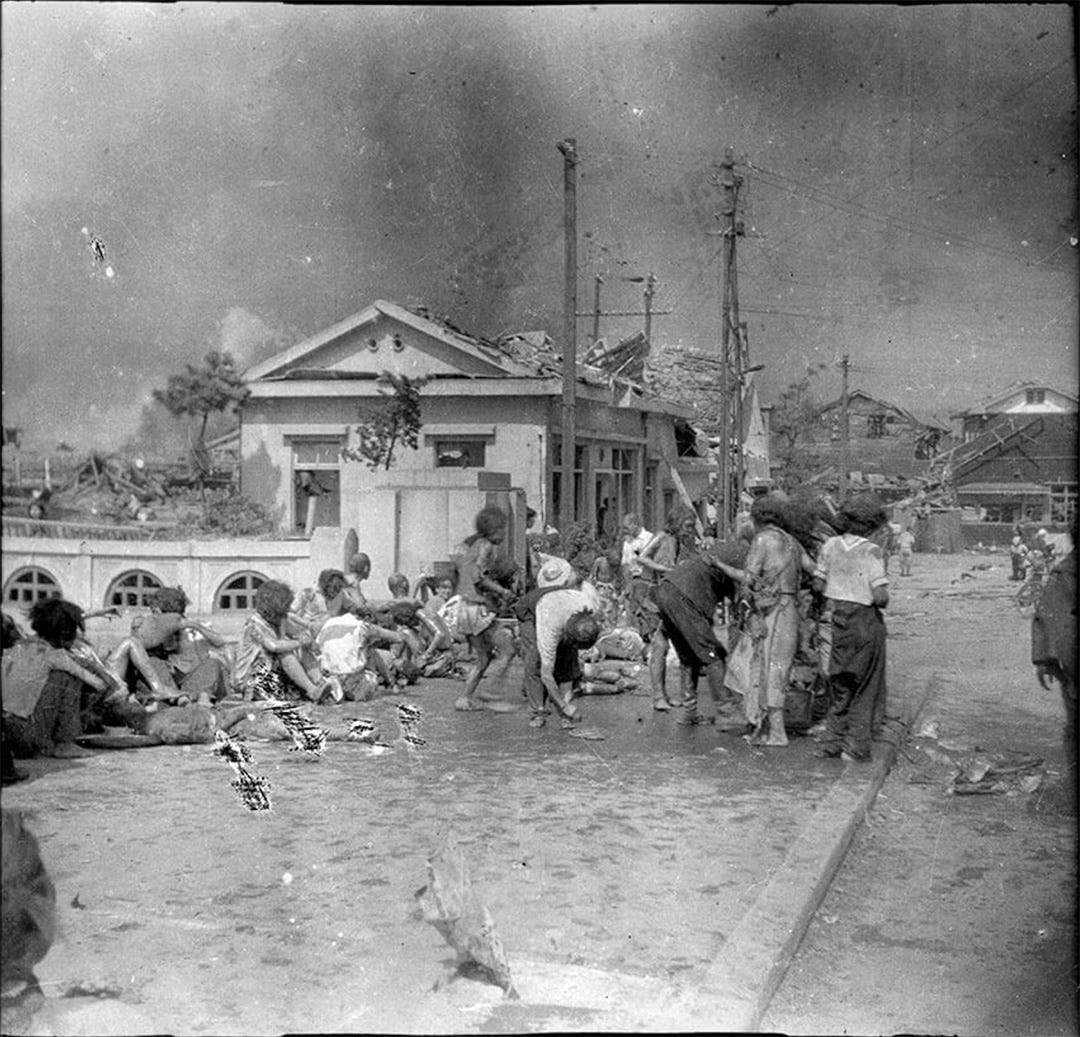
August 6, 1945 — Yoshito Matsushige, a 32-year-old photographer for the Chugoku Shimbun, was at home in Midori-cho, about 1.7 miles south of the hypocenter, when the bomb detonated over Hiroshima at 8:15 that morning. He put a camera around his neck and walked toward the center of the city. What survives of that walk is five photographs — the only images known to have been made in Hiroshima on the day of the bombing. Two were taken just after eleven o’clock at the western end of the Miyuki Bridge, where the injured had gathered and police were distributing cooking oil for burns; the rest were made later in the afternoon near the West Fire Station and his family’s barbershop. He took so few because he could not make himself take more. “It was such a cruel sight that I couldn’t bring myself to press the shutter,” he later said of the bridge. “Perhaps I hesitated there for about 20 minutes, but I finally summoned up the courage to take one picture.” He waited twenty days to develop the roll, and did it at night in the open air, rinsing the negatives in a stream. Matsushige died in 2005, at 92. Thursday is the eighty-first anniversary.

THE INTERNATIONAL REVIEW OF PHOTOGRAPHY
To advertise an exhibition, book, fair, or open call to photography collectors, curators, and gallerists worldwide, email internationalphotographynews@gmail.com